

Great Migration Safari in Serengeti and Masai Mara – Packages & Prices
The Great Migration Safari is one of Africa’s most spectacular wildlife events, marked by the annual Serengeti wildebeest migration as millions of wildebeest and zebras move across Serengeti National Park in Tanzania and seasonally into the Masai Mara in Kenya. This natural phenomenon delivers exceptional game viewing, powerful predator interactions, and world-famous river crossings that define a true Tanzania migration safari.
Explore our curated Great Migration safari packages, compare safari costs, and choose from mid-range, luxury, or fly-in Serengeti migration safaris. Whether you are planning your trip around the dramatic Mara River crossings or the calving season in Ndutu, we help you design the best Serengeti safari in Tanzania, tailored to your travel dates, interests, and budget.
Why Choose a Great Migration Safari With Edel Safaris
Local Tanzania safari experts
Best-price guaranteed packages
24/7 on-ground support
Local Tanzania safari experts
Trusted, licensed safari operator
Tailor-made migration itineraries
Best Great Migration Safari Packages
Our Great Migration safari packages follow the seasonal movement of the herds through the Serengeti in Tanzania and into the Masai Mara in Kenya.
Choose from affordable, luxury, or fly-in itineraries focused on prime locations and the best wildlife viewing.


Customize your own Tanzania Safari
Simple, Quick & Made Just for You in 2 minutes
No Writing, Answer a few quick questions, and we’ll craft a safari that matches your budget, interests, and travel dates—at no cost to you.
Where the Great Wilbdebeest Migration Happens (Main Serengeti Regions)
The Great Migration takes place across vast ecosystems in Tanzania’s Serengeti National Park and crosses seasonally into the Masai Mara in Kenya. Following rainfall and fresh grazing, the herds move through different regions of the Serengeti, creating unique wildlife experiences throughout the year.
Ndutu and Southern Serengeti
From January to March, the migration settles in the Ndutu plains and the southern Serengeti, an area rich in short grass that provides essential nutrients for newborn calves. During this period, thousands of wildebeest calves are born every day, attracting an extraordinary concentration of predators including lions, cheetahs, hyenas, and leopards. For travelers interested in intense wildlife interaction, dramatic hunting scenes, and close-range photography, this phase of the Serengeti wildebeest migration offers some of the most action-packed safari days of the entire year.

Tanzania Greatest Migration Safari
Tanzania Greatest Migration Safari
Central Serengeti (Seronera Area)
The Central Serengeti, particularly the Seronera region, functions as a vital migration corridor as herds move north and west. Even outside peak migration months, this area remains one of the most wildlife-rich parts of the park due to permanent water sources that sustain large predator populations year-round. A Serengeti migration safari through the central region combines big cat sightings, riverine habitats, and classic open savannah landscapes, making it a cornerstone of longer Tanzania safari itineraries.

Tanzania Great Migration Safari
Tanzania Great Migration Safari
Western Corridor & Grumeti River – Early River Crossings
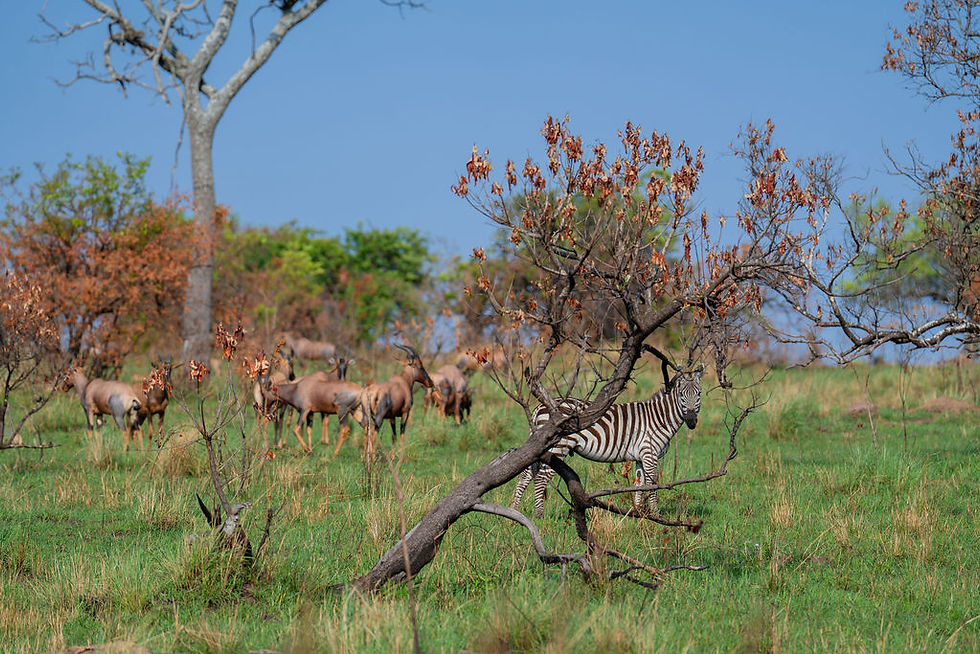
Between May and July, the migration advances toward the Western Corridor, where the Grumeti River creates one of the first major obstacles in the migration cycle. Unlike the Mara River, Grumeti crossings are less predictable and often more exclusive, offering quieter safari experiences with fewer vehicles. Massive Nile crocodiles, steep riverbanks, and tightly packed herds create raw, dramatic scenes that define this lesser-known yet essential phase of the Serengeti migration safari.
Tanzania Great Migration Safari
Tanzania Great Migration Safari
Northern Serengeti & Mara River – Iconic Crossing Zone
From July to October, the migration reaches the Northern Serengeti, home to the legendary Mara River crossings. Here, hundreds of thousands of wildebeest gather at riverbanks before plunging into fast-moving, crocodile-infested waters. These crossings are chaotic, emotional, and entirely unpredictable, making them the most sought-after moments of any Great Migration safari in Tanzania. Camps in this region are strategically positioned to maximize viewing opportunities during peak crossing periods.

Tanzania Great Migration Safari
Tanzania Great Migration Safari
Masai Mara, Kenya – Seasonal Extension of the Migration
During peak dry months, a portion of the migration crosses into the Masai Mara in Kenya, where nutrient-rich grasslands provide temporary grazing. While the Masai Mara offers outstanding wildlife density, it represents only a fraction of the overall migration cycle. The majority of the Serengeti wildebeest migration occurs within Tanzania, reinforcing Serengeti National Park as the primary destination for travelers seeking a complete and authentic Tanzania migration safari.

Tanzania Great Migration Safari
Tanzania Great Migration Safari
Southern Return Through the Serengeti
As the short rains begin in November and December, the herds gradually move south from the northern plains, passing back through central Serengeti toward Ndutu. This return phase delivers excellent general game viewing, fewer crowds, and dramatic skies, setting the stage for the next calving season and completing the full migration loop.
Best Time to See the Serengeti Wildebeest Migration
The Serengeti wildebeest migration is not a single moment but a continuous, year-round cycle shaped by rainfall patterns and grass regeneration across northern Tanzania. There is no universal “best month” to see the migration, the best time depends on what you want to experience, where you want to be, and how you want to travel. Understanding the seasonal movement is essential for planning a successful Tanzania migration safari.
January – March | Calving Season in Ndutu & Southern Serengeti
This period marks the start of the migration cycle and is one of the most biologically important phases of the Serengeti wildebeest migration. The herds gather on the short-grass plains of Ndutu and the southern Serengeti, where nutrient-rich grass supports calving. During peak weeks, thousands of wildebeest calves are born every day, creating exceptional wildlife density.
For safari travelers, this season delivers:
-
Constant predator activity as lions, cheetahs, hyenas, and leopards target vulnerable newborns
-
Excellent photography conditions with open plains and dramatic light
-
Fewer crowds than river-crossing months, yet extremely high wildlife action
This is an ideal time for guests who prioritize behavioral wildlife viewing over dramatic river scenes.
April – May | Transition Season & Lush Serengeti Landscapes
As the long rains begin, the herds start moving northward through the central Serengeti. While this is often considered a shoulder season, it offers unique advantages for experienced travelers and photographers seeking atmosphere over crowds.
Key characteristics of this period include:
-
Vast green landscapes and dramatic skies
-
Fewer safari vehicles, offering a more exclusive experience
-
Lower Serengeti migration safari prices compared to peak months
Wildlife viewing remains strong, and this season is particularly attractive for guests seeking value-driven Tanzania migration safaris.
June – Early July | Western Corridor & Grumeti River
By June, the migration reaches the Western Corridor, where the Grumeti River becomes the first major barrier. This phase introduces early river crossings that are less publicized but equally dramatic.
What makes this period special:
-
Powerful river-crossing attempts with large Nile crocodiles
-
Fewer crowds compared to the Mara River
-
Raw, unscripted migration behavior in a quieter Serengeti region
This stage is ideal for travelers seeking authentic migration experiences away from peak-season congestion.
July – October | Northern Serengeti & Mara River Crossings
This is the most famous and sought-after phase of the Serengeti wildebeest migration. Hundreds of thousands of animals gather at the Mara River, where they face fast currents and crocodile-filled waters.
Why this is peak season:
-
Iconic river-crossing scenes that define the Great Migration
-
High predator concentration on both sides of the river
-
Prime conditions for luxury camps and fly-in Serengeti migration safaris
This period commands the highest prices and requires early booking, but it delivers the most dramatic visuals of any Great Migration safari in Tanzania.
November – December | Southern Return & Reset of the Cycle
With the arrival of the short rains, the herds begin their journey south through the Serengeti, gradually returning toward Ndutu. This phase is often overlooked but offers excellent overall game viewing.
Advantages of this period include:
-
Reduced crowd levels
-
Fresh grazing and strong animal movement
-
A balance between quality wildlife encounters and better pricing
It is an excellent choice for travelers seeking a well-rounded Serengeti safari without peak-season pressure.

So, When Is the Best Time to See the Serengeti Wildebeest Migration?
For calving season and intense predator action (January – March)
This is the most biologically active period of the Serengeti wildebeest migration, when thousands of calves are born daily in the Ndutu and Southern Serengeti. The abundance of newborns attracts high concentrations of predators, resulting in frequent hunting scenes, close-range wildlife encounters, and exceptional photographic opportunities. This season is ideal for travelers who value raw wildlife behavior over dramatic river crossings.
For fewer crowds, greener landscapes, and better value (April – June)
These months offer a quieter and more atmospheric Serengeti migration safari, as the herds begin their northward movement through central and western Serengeti. Visitor numbers are lower, landscapes are lush, and safari prices are generally more favorable. This period suits travelers seeking space, exclusivity, and strong wildlife viewing without peak-season pressure.
For iconic river crossings and peak migration drama (July – October)
This is the most sought-after phase of the Serengeti wildebeest migration, centered around the Mara River in Northern Serengeti. Massive herds gather at crossing points, creating the legendary scenes that define the Great Migration. It is the best choice for travelers focused on witnessing river crossings, but it also comes with higher demand, premium pricing, and the need for early booking.
For balance, flexibility, and overall safari quality (November – December)
As the herds move south through the Serengeti, this period delivers consistent wildlife viewing, fewer crowds, and more flexible travel arrangements. It’s well suited for travelers who want a well-rounded Serengeti safari in Tanzania that balances excellent game viewing with comfort and value.
Expert takeaway
The best Serengeti wildebeest migration safari is not about chasing a single “perfect” moment. It is about aligning the season with your priorities, whether that’s wildlife behavior, dramatic crossings, photography, budget, or travel flexibility to create a safari experience that matches your personal travel goals.
Serengeti Great Migration Safari Cost & Pricing Explained
The cost of a Serengeti Great Migration safari varies widely because the migration itself is seasonal, mobile, and logistically complex. Prices are influenced by where the herds are located, how you travel, the level of accommodation, and the time of year you visit. Understanding these factors helps you choose the best-value Tanzania migration safari rather than simply the cheapest option.
What Determines the Cost of a Serengeti Migration Safari?
†
Season & Migration Phase
The biggest price driver is timing.
Peak migration months — especially July to October during the Mara River crossings — command the highest prices due to limited camp availability and high demand. Calving season (January to March) is also premium, while April–June and November offer better value with fewer crowds.
Location Within Serengeti
Safari costs increase significantly when staying in Northern Serengeti or near active river-crossing zones, where seasonal camps are remote and expensive to operate. Central Serengeti and Ndutu generally offer more pricing flexibility while still delivering strong migration experiences.
Accommodation Level
Your choice of accommodation has a major impact on price:
-
Mid-range lodges and tented camps offer excellent wildlife access at more moderate costs
-
Luxury and mobile migration camps are priced higher due to prime locations, private services, and limited guest numbers
Being close to the herds matters more than star ratings, and this is where expert planning adds value.
Safari Style: Drive-In vs Fly-In
A drive-in Serengeti migration safari is more affordable and suits longer itineraries, while a fly-in safari significantly increases cost but saves travel time and offers access to remote migration areas. Fly-in safaris are popular for guests traveling from Zanzibar or seeking a premium experience.
Group Size & Customization
Private safaris, exclusive vehicles, flexible schedules, and custom routing increase costs but deliver a more personalized migration experience. Shared safaris reduce costs but limit flexibility.
Average Serengeti Great Migration Safari Price Ranges (What You Actually Pay & Why)
†
The price of a Serengeti wildebeest migration safari can vary dramatically, not because of arbitrary markups, but because migration safaris are highly dependent on location accuracy, seasonality, and logistics. Unlike standard Serengeti safaris, migration-focused itineraries must place you exactly where the herds are, often in remote and temporary locations.
At the mid-range level, costs typically reflect comfortable lodges or tented camps with good migration access, shared safari vehicles, and longer drive times between regions. These safaris are ideal for travelers seeking strong wildlife encounters at controlled budgets, particularly during shoulder seasons.
At the luxury level, pricing increases due to:
-
Prime camp locations directly on migration routes
-
Low guest numbers for exclusivity
-
Private guiding and flexible game-drive schedules
-
High operational costs in remote Serengeti zones
A fly-in Serengeti migration safari represents the highest price tier, as it includes internal flights, access to isolated airstrips near river crossings, and reduced travel fatigue. While more expensive, fly-in safaris significantly increase time spent on game drives and decrease crowd exposure.
Important: Price alone does not determine safari quality. A well-positioned mid-range camp near active migration routes often delivers a better experience than a luxury lodge located far from the herds.
Why Great Migration Safaris Cost More Than Regular Serengeti Safaris
†
A Great Migration safari in Serengeti is fundamentally different from a standard wildlife safari. The migration is mobile, unpredictable, and logistically demanding — all of which increase cost.
Key cost drivers include:
Seasonal & Mobile Camps
Many migration camps operate only a few months per year and physically relocate to follow the herds. This requires dismantling, transportation, and reinstallation in remote areas with no permanent infrastructure.
Remote Operations
Northern Serengeti, Grumeti, and Ndutu regions lack nearby towns or supply hubs. Everything — fuel, food, water, staff, equipment — must be transported long distances, significantly increasing operating expenses.
Specialized Guiding
Migration safaris require highly experienced guides capable of interpreting herd behavior, rainfall patterns, and river conditions. This expertise directly impacts your chances of seeing crossings or major movement.
Limited Availability
Prime migration zones have strict conservation limits on camp numbers and vehicle density. Limited supply combined with high global demand drives prices higher during peak migration months.
In short, you are not paying for luxury alone — you are paying for precision, access, and timing.
How to Get the Best Value on a Serengeti Migration Safari (With the same Experience)
†
Getting value on a Serengeti migration safari is not about choosing the cheapest package — it is about aligning your travel strategy with migration behavior.
Here’s how experienced safari planners optimize value:
Choose the Right Season for Your Goals
If river crossings are not your top priority, traveling outside July–October can reduce costs significantly while still offering excellent migration viewing, predator activity, and fewer crowds.
Mix Regions Strategically
Combining Central Serengeti (year-round wildlife) with one key migration zone often delivers better overall value than spending the entire trip in high-cost northern camps.
Balance Drive-In and Fly-In Travel
Using a fly-in for one leg and driving the other can reduce costs while preserving comfort and access. This hybrid approach is especially effective for Zanzibar–Serengeti itineraries.
Prioritize Location Over Star Rating
A modest tented camp located directly on migration routes will outperform a high-end lodge far from herd movement. Location accuracy matters more than luxury labels.
Book Early for Peak Season
Early planning secures better camp choices and avoids last-minute premium pricing, especially for Northern Serengeti migration camps.
What to Expect on a Migration Safari
🐃 The Wildebeest Migration in Tanzania
The Great Migration is driven by over 1.5 million wildebeest, accompanied by zebras and gazelles, moving in search of fresh grazing across the Serengeti ecosystem. A wildebeest migration in Tanzania offers continuous wildlife action, massive herd movements, and unforgettable scenes that define a true African
🌍 Seasonal Serengeti Migration Safari Experiences
River crossings are among the most thrilling moments of a Tanzania migration safari, as wildebeest plunge into crocodile-filled rivers like the Grumeti and Mara. These crossings are unpredictable and can last minutes or hours, creating powerful wildlife encounters that are impossible to replicate elsewhere.
🦁 Predator Encounters
The migration attracts Africa’s top predators, including lions, cheetahs, leopards, hyenas, and massive Nile crocodiles. Predator-prey interactions are frequent during a Serengeti migration safari, offering exceptional opportunities to witness raw, natural behavior in one of the world’s richest ecosystems.
🚙 Expert-Guided Game Drives
Game drives are led by highly experienced safari guides who understand migration patterns, animal behavior, and seasonal movements. Their knowledge plays a vital role in positioning you close to wildlife action, maximizing sightings throughout your Tanzania wildebeest migration safari.
✈️ Fly-In Safari Convenience
A fly-in safari provides quick access to remote migration areas within the Serengeti, reducing long road travel and increasing time spent on game drives. This option is ideal for travelers flying from Zanzibar or those seeking comfort, efficiency, and a premium safari experience.
🏕️ Flexible Safari Styles
Great Migration safaris are available in a range of styles, from affordable and mid-range options to high-end luxury tented camps. Each Tanzania migration safari is carefully designed to balance comfort, location, and exceptional wildlife viewing based on your travel preferences.
Usefull Posts About Serengeti Widbeest Migration

Safari Tips
Collapsible text is great for longer section titles and descriptions. It gives people access to all the info they need, while keeping your layout clean. Link your text to anything, or set your text box to expand on click. Write your text here...
Rates & Price Guide
Collapsible text is great for longer section titles and descriptions. It gives people access to all the info they need, while keeping your layout clean. Link your text to anything, or set your text box to expand on click. Write your text here...
Sturdy Migration
Collapsible text is great for longer section titles and descriptions. It gives people access to all the info they need, while keeping your layout clean. Link your text to anything, or set your text box to expand on click. Write your text here...
Great Migration Safari – Frequently Asked Questions
When is the best time to see the Great Migration?
The Great Migration happens year-round in the Serengeti, but the best time depends on what you want to see. Calving season takes place from January to March in Ndutu, while the famous Mara River crossings occur from July to October in Northern Serengeti and Masai Mara.
Where does the Great Migration take place?
The migration primarily takes place in Serengeti National Park, Tanzania, and seasonally crosses into the Masai Mara in Kenya. Different regions of the Serengeti offer unique migration experiences throughout the year.
How much does a Great Migration safari cost?
Great Migration safari prices vary based on season, accommodation level, and duration. Costs typically range from affordable mid-range safaris to luxury fly-in packages with premium tented camps.
Can I see river crossings in Tanzania?
Yes. The famous Mara River crossings occur in Northern Serengeti, making Tanzania one of the best destinations for witnessing dramatic crossings without crossing into Kenya.
What is the typical flight time from Arusha (ARK) or Kilimanjaro (JRO) to the central Serengeti (Seronera)?
The flight time from Arusha Airport (ARK) to the most popular airstrip in the central Serengeti, Seronera (SEU), is approximately 1 hour and 15 minutes of air time. While flights from Kilimanjaro (JRO) are also possible, Arusha (ARK) is generally the preferred hub. This short flight dramatically reduces the 8 to 10 hours of dusty driving, maximizing your time for game viewing.
Is the Great Migration guaranteed?
The migration is a natural wildlife movement guided by rainfall, so sightings cannot be guaranteed. However, experienced guides and seasonal planning greatly increase your chances of seeing the herds during your Serengeti safari.
What animals are involved in the Great Migration?
The migration includes over 1.5 million wildebeest, accompanied by zebras and gazelles, followed closely by predators such as lions, cheetahs, leopards, and crocodiles.
Is the Great Migration only in the Masai Mara?
No. The majority of the migration cycle takes place in Tanzania’s Serengeti, with only a portion of the herds entering the Masai Mara during peak months.
Can I combine a Great Migration safari with Zanzibar?
Yes. Many travelers combine a Great Migration safari in Tanzania with a Zanzibar beach holiday, using convenient fly-in safari options from Zanzibar.
Is a fly-in safari a better option for witnessing the Great Migration river crossings?
Yes, a fly-in safari is the superior and most time-efficient option for witnessing the Great Migration Mara River crossings (typically August to October). To reach the optimal viewing areas in the Northern Serengeti (Kogatende) by road from Arusha requires a full day of driving. By flying directly into the Kogatende Airstrip, you land within minutes of the camps and the Mara River area, maximizing your chances of seeing the iconic crossings during your limited time on safari.