
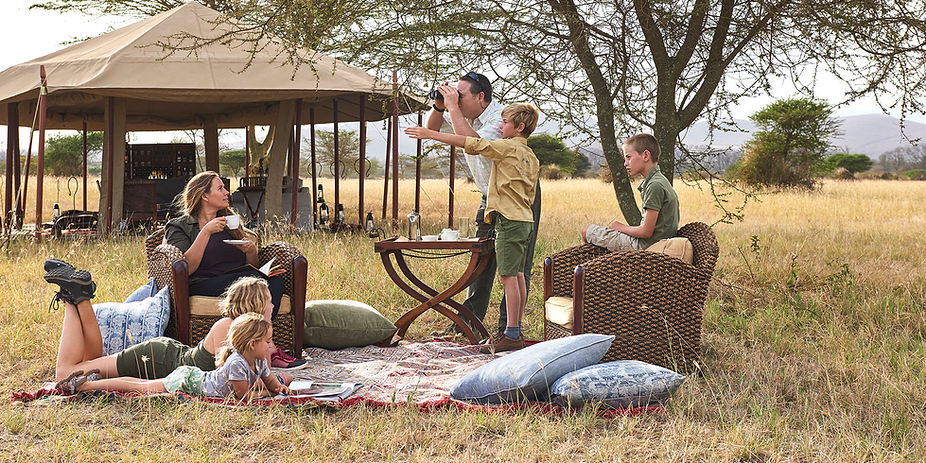
Explore the Serengeti: A Must-See Safari Experience
The Serengeti is one of the most iconic wildlife destinations in the world. With its vast landscapes and rich biodiversity, it offers an unforgettable safari experience. Imagine witnessing the Great Migration, where millions of wildebeest and zebras traverse the plains in search of greener pastures. This is just one of the many wonders that await you in the Serengeti.
In this blog post, we will explore the highlights of a Serengeti safari, practical tips for planning your trip, and what makes this destination truly special. Whether you are a seasoned traveler or planning your first safari, the Serengeti promises an adventure like no other.
The Serengeti: A Brief Overview
The Serengeti National Park is located in Tanzania and covers an area of about 5,700 square miles. It is part of the larger Serengeti ecosystem, which includes the Ngorongoro Conservation Area and the Maasai Mara in Kenya. The park is famous for its diverse wildlife, including the Big Five: lions, elephants, buffalo, leopards, and rhinoceroses.
The landscape is a mix of savannah, woodlands, and riverine forests. This variety of habitats supports a wide range of animals and plants. The Serengeti is also home to over 500 species of birds, making it a paradise for birdwatchers.
The Great Migration: Nature's Spectacle
One of the most remarkable events in the Serengeti is the Great Migration. Every year, millions of wildebeest and zebras migrate in search of food and water. This journey is not just a sight to behold; it is a survival story filled with challenges.
The migration typically starts in the southern Serengeti around January, where the animals give birth to their young. By April, they begin moving north towards the Maasai Mara. The journey is fraught with danger, as predators like lions and crocodiles lie in wait. Witnessing this natural spectacle is a highlight of any safari.
Best Time to Visit
The best time to visit the Serengeti depends on what you want to see. Here is a breakdown of the seasons:
Dry Season (June to October): This is the best time for wildlife viewing. Animals gather around water sources, making them easier to spot. The weather is also cooler and less humid.
Wet Season (November to May): This season brings lush landscapes and many newborn animals. However, some areas may be harder to access due to rain. The Great Migration peaks during this time, especially from January to March.
Choosing the right time for your visit can enhance your safari experience.
Safari Options: Choose Your Adventure
When planning your safari, you have several options to choose from. Here are some popular choices:
Game Drives: This is the most common way to explore the Serengeti. You can join a guided tour or rent a vehicle. Game drives allow you to cover large areas and spot various wildlife.
Walking Safaris: For a more intimate experience, consider a walking safari. This allows you to explore the park on foot, guided by an experienced ranger. You will learn about the ecosystem and get closer to nature.
Hot Air Balloon Rides: For a unique perspective, take a hot air balloon ride at sunrise. You will float over the plains, witnessing the beauty of the Serengeti from above. After landing, enjoy a champagne breakfast in the wild.
Each option offers a different way to experience the Serengeti. Choose the one that suits your style.
What to Pack for Your Safari
Packing for a safari requires some thought. Here are essential items to include:
Clothing: Lightweight, breathable clothing is best. Neutral colors like khaki, brown, and green help you blend in with the environment. Bring a warm layer for cooler evenings.
Footwear: Comfortable walking shoes are a must. If you plan on a walking safari, sturdy hiking boots are recommended.
Binoculars: A good pair of binoculars will enhance your wildlife viewing experience. You can spot animals from a distance and appreciate their beauty.
Camera: Capture the memories of your safari with a camera. A zoom lens is helpful for wildlife photography.
Sunscreen and Insect Repellent: Protect your skin from the sun and insects. These are essential for a comfortable safari experience.
Being well-prepared will ensure you have a fantastic time in the Serengeti.
Respecting Wildlife and the Environment
While enjoying the beauty of the Serengeti, it is crucial to respect the wildlife and environment. Here are some guidelines to follow:
Stay in Your Vehicle: When on a game drive, always stay inside your vehicle. This protects both you and the animals.
Do Not Feed Animals: Feeding wildlife can disrupt their natural behavior and harm their health.
Follow Park Rules: Each park has specific rules to protect its wildlife. Familiarize yourself with these rules and follow them.
Leave No Trace: Take all your trash with you and leave the environment as you found it. This helps preserve the beauty of the Serengeti for future visitors.
By being a responsible traveler, you contribute to the conservation of this incredible ecosystem.
Local Culture: The Maasai People
The Serengeti is not just about wildlife; it is also home to the Maasai people. This indigenous group has a rich culture and history. They are known for their vibrant clothing, traditional dances, and unique way of life.
Visiting a Maasai village can provide insight into their customs and traditions. You may have the opportunity to participate in a traditional dance or learn about their daily activities. Engaging with the local community adds depth to your safari experience.
Conclusion: Your Serengeti Adventure Awaits
A safari in the Serengeti is more than just a trip; it is an adventure that stays with you forever. From the breathtaking landscapes to the incredible wildlife, every moment is filled with wonder.
Whether you are witnessing the Great Migration or exploring the culture of the Maasai people, the Serengeti offers something for everyone. So pack your bags, prepare for an unforgettable journey, and get ready to explore one of the most beautiful places on Earth.


Comments