
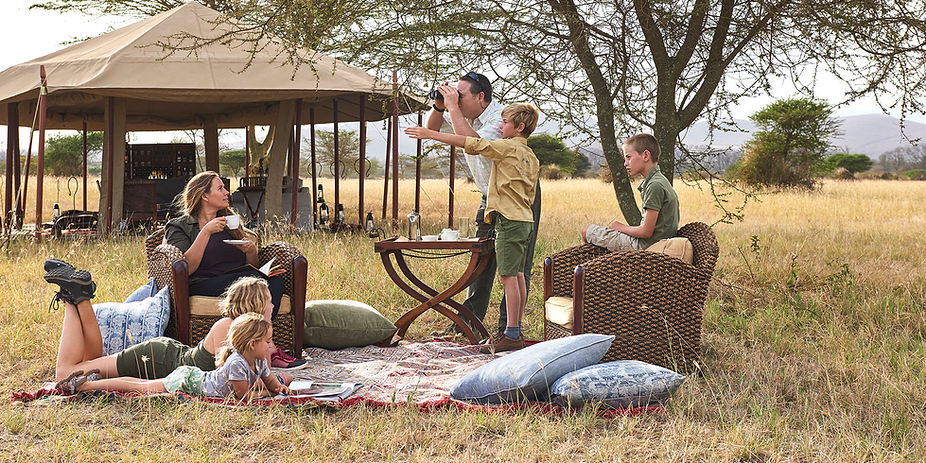
Ngorongoro Crater Guide: Wildlife, Safari Experience & Travel Tips

The Ngorongoro Crater is one of the most extraordinary safari destinations in Africa and
one of the few places in the world where wildlife exists in such high concentration within a
naturally enclosed environment. Located in northern Tanzania, the crater attracts travelers
from every corner of the world because of its breathtaking scenery, dense wildlife
population, and remarkably rewarding safari experiences.
For many visitors planning a Tanzania safari, Ngorongoro becomes one of the most unforgettable parts of the journey. The experience feels dramatically different from many other safari destinations because wildlife is consistently active throughout the crater floor, creating a safari atmosphere that feels immersive from the moment you descend into the caldera.
The crater is not simply famous because of the animals living inside it. It is also one of the most visually spectacular landscapes in East Africa. Towering volcanic walls surround forests, grasslands, lakes, swamps, and open plains filled with wildlife. The combination of scenery and wildlife density creates an experience that feels almost unreal for first-time safari travelers.
This Ngorongoro Crater Guide explores everything that makes this destination so exceptional, including the wildlife experience, safari atmosphere, seasonal conditions, and why the crater remains one of Tanzania’s greatest safari highlights.
Why the Ngorongoro Crater Is So Unique
The Ngorongoro Crater formed millions of years ago when a giant volcano erupted and collapsed inward, creating the world’s largest intact volcanic caldera. Today, the crater functions as a complete ecosystem supporting thousands of animals within its walls.
Unlike many safari destinations where wildlife migrates across enormous distances throughout the year, the crater contains permanent water sources and fertile grazing areas that allow animals to remain inside the ecosystem year-round. This creates one of the most reliable safari experiences in Africa because wildlife concentrations remain consistently high regardless of season.
The first view from the crater rim is often one of the most dramatic moments of a Tanzania safari. Looking down into the enormous caldera, travelers see a vast wildlife-filled landscape surrounded by steep volcanic walls. From above, the crater floor appears almost like another world separated from the surrounding highlands.
Descending into the crater early in the morning adds even more atmosphere to the experience. Mist often hangs along the forested crater walls while the grasslands below slowly become visible as sunlight spreads across the landscape.
The sense of entering a self contained wilderness ecosystem is unlike anywhere else in Tanzania.

The Wildlife Experience Inside Ngorongoro Crater
The wildlife experience inside the crater is what makes this destination globally famous. The crater supports one of the highest densities of large mammals in Africa, creating incredibly rewarding game drives throughout the day.
One of the biggest differences travelers immediately notice in Ngorongoro compared to larger ecosystems like Serengeti is how frequent wildlife sightings become. Animals are not spread across endless plains separated by large distances. Instead, wildlife activity feels continuous because so many species coexist within the compact crater environment.
The open grasslands support enormous populations of herbivores, which in turn attract predators throughout the ecosystem. It is common to encounter lions resting in the grass while zebras and wildebeests graze nearby. Hyenas patrol the plains searching for scavenging opportunities while jackals move carefully through the landscape.
For first-time safari travelers, the crater often feels almost overwhelming because there is so much wildlife activity happening simultaneously.
The environment itself also contributes heavily to the experience. Seeing elephants walking across the crater floor beneath towering volcanic walls creates an image that remains unforgettable long after the safari ends.
Lions in the Ngorongoro Crater
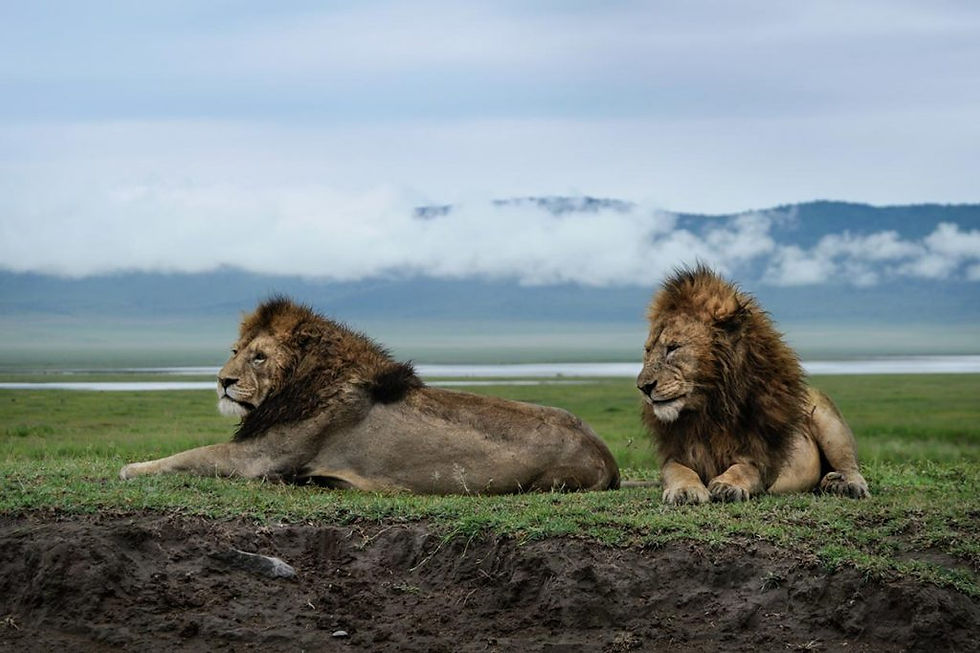
Lions are among the most iconic animals found inside the crater, and Ngorongoro offers some of the best lion viewing opportunities in Tanzania.
Because the grasslands are relatively open, lions are often easier to spot here than in heavily wooded environments. Travelers frequently encounter pride members resting beneath small trees, moving across open plains, or watching nearby herbivores from elevated positions.
The crater supports a healthy predator population because prey is abundant throughout the ecosystem. This creates excellent conditions for predator sightings throughout the year.
For many visitors, hearing lions roar across the crater during early morning hours becomes one of the most emotional moments of the safari experience.
The visibility inside the crater also makes it easier to observe natural predator behavior. Travelers often witness interactions between pride members, territorial movement, and even hunting activity depending on timing and luck.

The Rare Black Rhinos of Ngorongoro
One of the most important reasons Ngorongoro Crater is internationally significant is its protected population of endangered black rhinos.
Rhino sightings are never guaranteed anywhere in Africa because the species remains critically endangered and naturally elusive. However, the crater is considered one of the strongest locations in Tanzania for possible black rhino encounters.
Seeing a black rhino in the wild feels very different from ordinary wildlife sightings because travelers immediately understand how rare and protected these animals have become.
The crater’s conservation efforts play a major role in protecting this species. Strict wildlife protection inside the conservation area has allowed rhinos to survive within this ecosystem while populations in many other regions declined significantly over past decades.
For many safari travelers, spotting a black rhino becomes one of the rarest and most memorable wildlife experiences of the entire Tanzania safari.

Elephants and Other Wildlife in the Crater
Ngorongoro is also famous for its large elephant bulls, some of which develop enormous tusks due to the rich environment and long term protection within the conservation area.
Unlike some ecosystems where elephants move in massive family herds, Ngorongoro is particularly known for older male elephants that roam the crater independently.
Watching these giant bulls moving slowly across the grasslands creates one of the most iconic safari scenes in Tanzania. Beyond elephants and predators, the crater supports an incredible diversity of wildlife. Zebras, buffalo, wildebeests, gazelles, warthogs, and hippos are commonly encountered throughout the safari experience.
Hippo pools often become gathering points for safari vehicles because the animals spend much of the day partially submerged while birds move around the surrounding wetlands.
Birdlife inside the crater is also exceptional. Depending on seasonal conditions, flamingos can sometimes be seen around the soda lake while various birds of prey circle above the open plains.
Every section of the crater supports slightly different wildlife activity, which keeps the safari experience constantly changing throughout the day.

The Safari Atmosphere Inside Ngorongoro Crater Guide
The atmosphere inside Ngorongoro feels very different from Serengeti.
Serengeti creates a sense of endless open wilderness where wildlife disappears into distant horizons. Ngorongoro feels more enclosed, concentrated, and visually dramatic because the crater walls surround the entire ecosystem.
This changes the rhythm of the safari completely.
Wildlife encounters happen more frequently and with less driving between sightings. The compact environment allows travelers to experience a huge variety of animals within a single day.
For first time safari visitors, this often creates a more emotionally intense experience because the safari remains active almost continuously.
The scenery itself also feels constantly dramatic. Forests along the crater walls suddenly transition into open grasslands while lakes and swamps appear unexpectedly between wildlife areas.
The crater floor combines multiple ecosystems within a relatively small area, creating constant visual variation during game drives.
This is one reason why many travelers describe Ngorongoro as one of the most beautiful safari destinations in Africa rather than simply one of the best for wildlife viewing.
Best Time to Visit Ngorongoro Crater
One of the greatest advantages of Ngorongoro Crater is that wildlife viewing remains excellent throughout the year. Because animals do not need to migrate away from the crater in search of water, safari experiences remain rewarding in every season. However, different times of year create slightly different conditions and scenery.
During the dry season between June and October, vegetation becomes thinner and wildlife becomes easier to spot across the open grasslands. Road conditions are generally better and temperatures remain comfortable throughout the day. This period is considered peak safari season in Tanzania, meaning visitor numbers are also higher.
The green season between November and May transforms the crater into a lush landscape filled with vibrant vegetation and dramatic skies. The scenery becomes especially beautiful during this time, creating extraordinary photography conditions.
Rainfall during the green season is usually seasonal rather than constant, so many safari days still provide excellent wildlife viewing opportunities.
Birdlife also becomes richer during this period as migratory species arrive in the region.
Ngorongoro Crater vs Serengeti Safari Experience
Travelers often compare Ngorongoro and Serengeti when planning a Tanzania safari, but the two destinations offer completely different experiences. Serengeti is famous for its scale. The endless plains create a feeling of limitless wilderness where wildlife moves naturally across one of Africa’s largest ecosystems.
Ngorongoro offers a more concentrated experience where wildlife encounters happen consistently throughout the day within a compact volcanic environment.
Serengeti feels expansive and unpredictable. Ngorongoro feels immersive and visually dramatic.
This is why most safari itineraries combine both destinations rather than choosing only one. Together, they create one of the most complete safari experiences in Africa.
Why Ngorongoro Is Perfect for First Time Safari Travelers
For first-time visitors to Africa, Ngorongoro Crater is one of the most rewarding safari destinations possible because it reduces much of the uncertainty surrounding wildlife viewing. The high concentration of animals means travelers rarely spend long periods searching without sightings.
Wildlife activity remains constant enough that even short safari drives can feel incredibly productive. The crater also creates a strong emotional impact because of its scenery. The dramatic volcanic landscape makes the safari feel cinematic from beginning to end.
For travelers who only have limited safari time, Ngorongoro provides an excellent chance to experience a huge range of wildlife within a single day.
This combination of reliability, scenery, and wildlife density is what makes the crater so globally respected among safari destinations.
Frequently Asked Questions About Ngorongoro Crater
Is the Ngorongoro Crater worth visiting?
Yes. Ngorongoro Crater is considered one of Africa’s greatest safari destinations because of its extraordinary wildlife density and spectacular scenery.
What animals can you see in Ngorongoro Crater?
Travelers commonly see lions, elephants, buffalo, zebras, wildebeests, hyenas, hippos, flamingos, and sometimes endangered black rhinos.
What is the best time to visit Ngorongoro Crater?
Wildlife viewing remains excellent year-round, although the dry season between June and October is generally considered the best overall safari period.
Can you see the Big Five in Ngorongoro Crater?
Yes. Ngorongoro offers strong chances of seeing the Big Five, including the rare black rhino.
Is Ngorongoro Crater better than the Serengeti?
These two destinations offer different experiences. Serengeti is famous for vast wilderness and migration, while Ngorongoro is known for concentrated wildlife and dramatic crater scenery.
Experience the Ngorongoro Crater With Edel Safari
A Ngorongoro safari becomes far more rewarding when it is planned with the right timing, guiding expertise, and carefully designed itinerary.
At Edel Safaris, we create personalized Tanzania safari experiences that allow travelers to experience the crater properly while combining it with the best wildlife destinations across northern Tanzania.
Whether you are planning a luxury safari, honeymoon safari, family safari, or your first African wildlife adventure, our team helps design a journey built around exceptional safari experiences and unforgettable moments.
Start Planning Your Ngorongoro Safari Today
Contact Edel Safaris for personalized safari itineraries, expert travel guidance, and customized Tanzania safari planning designed around your travel goals.


Comments