
Ngorongoro Safari Packages: How to Plan the Perfect Tanzania Safari

The Majestic Descent into Africa’s Garden of Eden
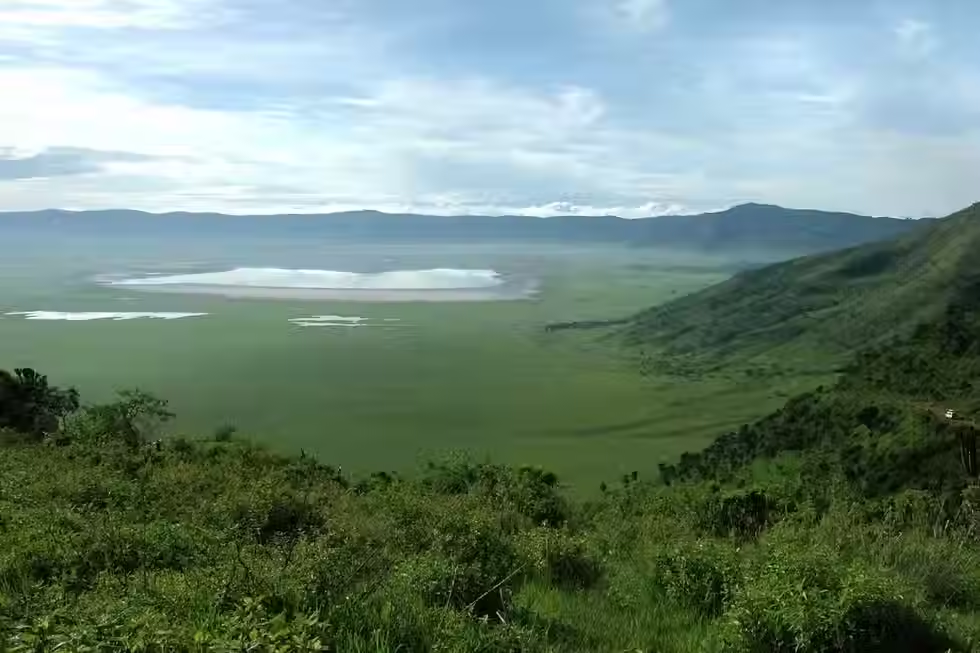
Imagine standing on a mist-shrouded volcanic rim, wrapped in a heavy fleece jacket as the first golden rays of the equatorial sun pierce through a thick alpine fog. Below you, stretching out across a massive, unbroken caldera floor, lies a self sustaining natural sanctuary where over thirty thousand animals roam freely.
This is the Ngorongoro Crater a UNESCO World Heritage Site sheltered by three-hundred-meter-high emerald walls that create an unyielding border between civilization and the raw wilderness of East Africa.
For global travelers planning a premier Tanzania Safari, descending into this natural amphitheater feels less like a typical wildlife drive and more like stepping onto a live, cinematic set where the theater of nature unfolds around every corner.
However, transforming this bucket list dream into a seamless, stress-free reality requires sorting through a vast array of Ngorongoro Safari Packages and logistical details.
Many first-time travelers mistakenly view East Africa as a uniform landscape, assuming they can simply book a standard tour and easily see everything without understanding how altitude shifts, seasonal weather patterns, and regional aviation rules interact.
Choosing the right path, selecting an experienced local operator like Edel Safaris, and picking a focused timeline are the true pillars of a successful expedition.
Whether you are looking for a quick wilderness loop or a highly immersive 4 Day Ngorongoro Safari, this long-form manual provides a comprehensive, deep dive analysis of the logistics, packing rules, and day-by-day strategies you need to build a flawless trip.
You can browse specialized regional options directly via the Edel Safaris Zanzibar Packages Portal to see how these wilderness routes align with coastal transit systems.
The Logistics: Air Gateways, Flight Strategies, and Regional Hubs
The ultimate baseline of any successful northern circuit adventure is your transit strategy.
Tanzania is an expansive country, and navigating its rugged terrain entirely by road can quickly lead to travel fatigue and consume valuable hours of your vacation time.
To maximize your active wildlife tracking window, understanding the air infrastructure is critical.
Navigating the Core Aviation Hubs For Ngorongoro Safari
When booking a fly-in safari in Tanzania, your entry point into the northern circuit typically relies on two key gateways. Kilimanjaro International Airport serves as the main international arrival terminal for flights originating outside of East Africa. It is perfectly positioned if you are traveling globally or if you intend to pair your wildlife viewing with a trek up Mount Kilimanjaro.
Conversely, Arusha Airport serves as the primary domestic engine room for small-aircraft regional flights. If you are launching a 4-day Tanzania safari from Zanzibar, your aircraft will typically land at Arusha, where your dedicated private 4x4 Land Cruiser and professional guide will be waiting right outside the terminal doors to commence your journey without delay.

Seamlessly Connecting the Beach to the Bush
One of the most popular travel combinations in East Africa is pairing the historical Swahili coast or the pristine white-sand beaches of the Zanzibar Archipelago with a raw wilderness loop on the mainland.
A direct morning flight from Zanzibar gets you to the northern safari gates by mid-day.
This approach allows you to comfortably shift from tropical maritime humidity to high-altitude mountain air in just under two hours, keeping your transit time minimal and your time in front of animals exceptionally high.
The Focused Itinerary Blueprint: The 4-Day High Density Track
While it is possible to explore the crater on a rapid weekend escape, a four-day timeline represents the absolute sweet spot for travelers who want to sample multiple, distinct ecosystems without feeling rushed. Over four days, a private tour crafted by Edel Safaris gracefully covers three of Tanzania's most celebrated wildlife areas.
Day 1: Fly from Zanzibar to Tarangire’s Elephant Kingdom
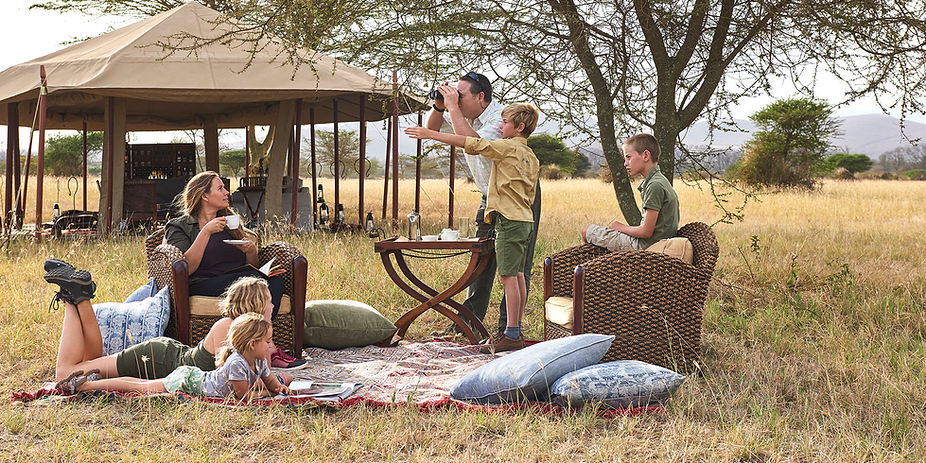
Your journey starts with an early morning flight from Zanzibar to Arusha. Upon arrival, your private guide welcomes you and drives you straight to Tarangire National Park. This stunning park is famous for its massive elephant herds and monumental, ancient baobab trees that dominate the horizon. Spend your afternoon tracking wildlife along the Tarangire River before checking into a comfortable permanent tented camp for a fresh dinner under the stars.
Day 2: Journey into the Heart of Serengeti National Park
After an early breakfast, you head northwest, driving through the dramatic, rolling landscapes of the Ngorongoro Conservation Area. As you cross the highland ridge, the terrain transforms into the endless golden plains of the Serengeti. Enjoy a late afternoon game drive searching for apex predators like lions, leopards, and cheetahs before settling into an authentic, off-grid mobile tented camp.
Day 3: Serengeti Exploration to the Crater’s Edge
Devote your morning to an extended game drive across the central Serengeti plains. This is an ideal window to witness predator-prey dynamics or follow seasonal paths of the Great Migration. In the afternoon, you slowly wind your way back toward the Ngorongoro highlands, watching the scenery shift back from wide-open plains to dense, emerald mountain forests. You will spend the night at a lodge built right along the volcanic rim, resting up for an early descent the following morning.
Day 4: Deep Descent into Ngorongoro Crater and Return Flight
Your final day begins at the break of dawn. Descending 600 meters into the caldera floor, you enter a compact, high-density wildlife environment. Because water is permanently available, over 25,000 large mammals reside here year-round, including dense lion prides, large buffalo herds, spotted hyenas, and hippos.
Most notably, the crater floor offers your absolute best chance in Tanzania to spot the critically endangered black rhino. Following a scenic picnic lunch beside a hippo-filled pool, you ascend the crater walls and drive back to Arusha for your return flight to Zanzibar.

Deciphering the Microclimates: The Hidden Alpine Reality
A very common error international travelers make when preparing for a Tanzania Safari is packing exclusively for hot, tropical weather. East Africa features highly dramatic, localized microclimates driven almost entirely by shifts in elevation.
While the lowlands of Tarangire and the wide plains of the Serengeti experience warm, dry daytime temperatures averaging between 28°C and 32°C, the environment shifts entirely when you ascend into the Ngorongoro Conservation Area.
The lodges and tented camps along the crater rim sit at an altitude exceeding 2,200 meters above sea level. At this height, the climate behaves exactly like an alpine environment.
During the peak dry months of June, July, and August, nighttime temperatures on the rim routinely plummet to a crisp 6°C.
Early morning game descents into the crater are conducted in open-sided 4x4 safari vehicles, catching a sharp mountain mist and biting winds that can make the air feel freezing.
Without a strategic insulation system, your sunrise game drive will be incredibly uncomfortable.
To beat the cold, pack a flexible layering system consisting of moisture-wicking synthetic base layers, a high-loft fleece or packable down puffer jacket, and a windproof, water-resistant outer shell.
Avoid bright colors, pure whites, and dark blacks. Bright reds and yellows can disrupt wildlife behavior from a distance.
Pure white fabrics will be instantly stained by the fine, iron-rich volcanic dust of the safari roads, and solid black or dark navy blue materials actively attract tsetse flies in wooded acacia zones.
Stick strictly to neutral earth tones like khaki, olive green, tan, and soft beige to blend seamlessly into the dry savanna surroundings.
Critical Packing Rules & Soft-Sided Duffel Regulations
Transitioning your base from a beach resort to a regional aircraft introduces strict luggage boundaries enforced rigidly by domestic aviation authorities for safety and aircraft balance.
The 15kg Structural Rule
Small turboprop aircraft utilized for regional bush links have compact, narrow, and curved cargo holds beneath the fuselage.
Consequently, traditional hard-shelled suitcases with rigid aluminum frames, plastic molding, or fixed spinner wheels are strictly forbidden on these flights.
Your baggage must be a completely soft-sided duffel bag made of pliable canvas or nylon that baggage handlers can easily compress into the aircraft cargo holds.
Furthermore, a strict total weight limit of 15 kilograms per passenger is enforced, and this allocation typically includes your checked bag and your hand daypack combined.
If you have excess resort wear or hard luggage, your operator can securely store your extra bags at their Arusha headquarters while you complete your wilderness circuit.
Fine Volcanic Dust and Gear Safety
The soil across the northern circuit contains a microscopic, highly abrasive silica dust originating from ancient volcanic activity.
When vehicles travel along the unpaved park tracks, this dust rises in thick clouds and can easily penetrate camera lenses, gum up zoom rings, and damage sensitive digital sensors.
To protect your valuable electronics, store your DSLR cameras, spare lenses, and tablets inside heavy-duty, roll-top waterproof and dustproof dry bags when you are not actively framing a wildlife sighting.
Always pack a dedicated lens cleaning kit containing a rubber air-blower and microfiber cloths to safely clear dust without scratching the glass coatings.

Frequently Asked Questions (FAQ)
What is the best month to book an Ngorongoro safari experience?
The dry season running from June to October is widely considered the peak window for high-density tracking. As the water sources dry up across the region, animals gather predictably around the permanent springs and rivers on the crater floor, making wildlife easy to spot through the thinned, golden-brown grasses.
However, the "Green Season" from November to May is a spectacular alternative. During these months, the landscape turns into a rich, emerald oasis, tourist crowds drop significantly, and thousands of migratory bird species arrive from Europe and Asia, creating magnificent photography conditions.
Are there any specific environmental laws I should keep in mind?
Yes, Tanzania takes environmental conservation very seriously and enforces a strict, zero-tolerance ban on all single-use plastic carrier bags to protect its fragile wilderness areas from pollution. Do not bring plastic retail bags or disposable garbage bags into the country.
Transparent ziplock bags utilized exclusively for personal toiletries are permitted under travel exemptions but must remain inside your luggage at all times. Additionally, wearing camouflage patterns or military-style prints is illegal for civilians, as these designs are legally reserved for active military personnel and park rangers.
Is a private safari package noticeably better than a shared group tour?
While shared group tours are highly economical for solo travelers because fixed vehicle and fuel costs are split among multiple independent participants, a private safari package offers complete control over your daily schedule. The crater floor operates on strict, highly regulated entry permit windows.
With a private vehicle from Edel Safaris, your expert guide can coordinate an early dawn departure, allowing you to reach the caldera floor the moment the morning mist lifts. This is the absolute prime time to watch active predators hunt and spot rare black rhinos before the heavy influx of daytime tourist vehicles arrives.
What style of footwear is required for game drives and crater tours?
Unless your package explicitly includes a specialized, multi-day walking safari through the highland craters, heavy leather hiking boots are entirely unnecessary and add too much weight to your soft-sided luggage limits. Instead, a sturdy pair of closed-toe trail running shoes or lightweight hiking shoes with a deep, slip-resistant rubber tread is ideal.
Avoid open-toed sandals or flimsy flip-flops inside the vehicle; safari tracks are bumpy, and if you stop for a planned bush lunch or an unexpected bathroom break, you will be stepping directly onto rough terrain covered in sharp thorns and volcanic stones.
What options exist for combining a beach stay with a Northern Circuit safari?
Many travelers choose to land in the islands first for an exotic escape before leaping over to the mainland wilderness. By referencing comprehensive operational frameworks like the Edel Safari Zanzibar Packages Portal, you can explore routes that bundle short domestic flights from the archipelago straight into Arusha or Serengeti strips, allowing you to bundle regional crater tours and luxury lodging under a single, cohesive booking.
Partner with a Local Expert for an Unmatched Journey
The secret to executing a flawless, low-stress African expedition lies entirely in eliminating fragmented logistics. Trying to independently book domestic flights, coordinate remote lodge stays, and secure highly regulated national park and crater service fees can quickly become an overwhelming puzzle. Partnering with a deeply rooted, locally owned specialist ensures that every single transfer, gate clearance, and overnight stay aligns seamlessly.
By choosing a custom-tailored package with Edel Safaris, you are not just purchasing a seat in a vehicle; you are securing an immersive, private journey led by a professional guide who knows the subtle rhythms of the bush intimately.
Are you ready to witness the unmatched wildlife density of Africa's volcanic Garden of Eden? Contact our travel specialists today to design your perfect custom Tanzanian itinerary.


Comments