
Top Things to Do in Serengeti National Park Beyond Game Drives

Serengeti National Park is globally celebrated for its classic game drives, and rightly so. Few places on earth match the thrill of watching lions at dawn, elephants crossing open plains, or wildebeest herds stretching to the horizon. Yet many travelers make one mistake when planning a Serengeti safari: they assume the experience begins and ends inside a safari vehicle.
This view misses the deeper value of the Serengeti.
The park is not only a wildlife destination it is an immersive ecosystem, a cultural landscape, and one of Africa’s most emotionally powerful travel experiences. The greatest safaris are rarely defined by how many drives you take. They are defined by the variety of moments around them: sunrise from the sky, walking through wild terrain, listening to stories around a fire, learning from local communities, photographing dramatic light, or simply sitting quietly while nature unfolds around you.
For travelers who want more than a checklist safari, Serengeti offers a richer dimension. Beyond standard game drives, there are experiences that create perspective, connection, and memories that often become the true highlights of the journey.
Why Looking Beyond Game Drives Matters
Game drives are central to Serengeti, but too many back to back drives can make a trip feel repetitive if not balanced well. Morning drive, afternoon drive, repeat. Even excellent wildlife sightings can blend together when the itinerary lacks variation.
The smartest safari planning introduces contrast.
Contrast creates energy. A bush breakfast after sunrise feels different from a vehicle lunch stop. A guided walk changes how you notice tracks, insects, and plant life. A balloon flight shifts your understanding of scale. A cultural encounter reminds you that Serengeti is not only about animals but also about people and heritage.
This variety transforms safari from observation into experience.
Hot Air Balloon Safari Over the Serengeti
If there is one activity that consistently becomes a traveler’s lifelong memory, it is the hot air balloon safari.
Before sunrise, guests depart quietly for the launch site while the plains are still dark and silent. As first light breaks, the balloon rises slowly above the landscape. What follows is one of the most extraordinary perspectives in African travel.
From above, the Serengeti reveals patterns impossible to appreciate at ground level. River lines cut through the plains. Elephant paths become visible. Herds move like living currents. Acacia trees cast long morning shadows. The sheer scale of the ecosystem becomes emotionally clear.
Unlike fast aerial sightseeing, ballooning moves gently and quietly. There is time to absorb the moment rather than rush through it.
Most experiences end with a bush breakfast in the wilderness, adding a celebratory finish.
For honeymooners, photographers, families, and first-time visitors, this is often worth prioritizing.

Guided Walking Safaris
Many people imagine safari only through vehicles, but walking in wild country creates an entirely different relationship with nature.
A guided walking safari focuses on details often missed from a jeep. You begin noticing tracks in the dust, bird calls, medicinal plants, termite architecture, scent changes in the air, and how animals use terrain for safety or hunting.
Walking also heightens awareness. Distances feel real. Wind direction matters. Sounds matter. Silence matters.
Professional guides interpret the landscape in ways that deepen respect for the ecosystem. What looked empty from a vehicle suddenly becomes full of stories.
Walking safaris are not about replacing game drives. They complement them by revealing Serengeti at a human pace.
Bush Breakfasts and Sundowner Experiences
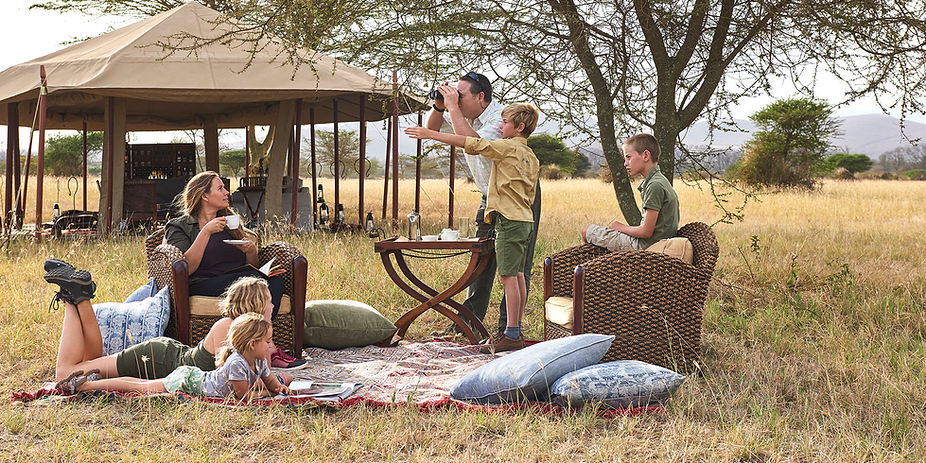
Luxury in the Serengeti is often less about marble interiors and more about setting.
A bush breakfast after an early wildlife outing can feel remarkably special. Tables are arranged in scenic open country, coffee is fresh, and the morning air still carries coolness from dawn. Instead of returning immediately to camp, the safari day pauses beautifully in the landscape itself.
Even more iconic are sundowners.
As the sun lowers across the plains, guests gather at a carefully chosen viewpoint for drinks and light snacks while the sky shifts through gold, orange, and violet. It is simple, elegant, and memorable.
These moments matter because they create an emotional rhythm in the itinerary. Safari becomes not just searching for animals, but enjoying where you are.

Wildlife Photography Experiences
Serengeti is one of the world’s premier wildlife photography destinations, but photography here can be much more intentional than casual snapshots from a vehicle.
Specialized guides understand positioning, light direction, animal behavior, and patience.
They know that a lion looking away is not the same image as a lion backlit by sunrise with eyes forward. They know where cheetahs may use termite mounds as vantage points. They know how dust after movement can add drama.
Even non professional travelers benefit from slowing down and treating a safari as visual storytelling rather than rapid image collecting.
Photography changes how you observe. You begin noticing texture, timing, mood, and behavior rather than only species count.
Birdwatching in the Serengeti
Many first time visitors focus only on big mammals, but the Serengeti is also rich in birdlife. For those willing to look beyond the obvious, the park offers an impressive avian dimension.
From powerful raptors circling overhead to vividly colored rollers, secretary birds striding through grasslands, storks near wetlands, and owls hidden in woodland areas, birdwatching adds diversity to every drive or walk.
It also makes quieter wildlife periods more engaging. While others say “nothing is happening,” birders often know the landscape is full of movement.
Birdwatching is especially rewarding during greener months when migratory and resident species activity can be strong.

Visit a Maasai Community Near the Ecosystem
A safari gains depth when travelers understand the human story behind the land.
Communities such as the Maasai have lived in East African landscapes for generations with strong cultural identity, pastoral traditions, and deep environmental knowledge.
Respectful cultural visits can offer perspectives on local life, traditions, architecture, livestock systems, dress, music, and adaptation to changing modern realities.
The best visits are authentic, community-benefitting, and approached with curiosity rather than performance expectations.
This experience reminds travelers that the Serengeti is not an isolated postcard wilderness. It exists within a living regional culture.

Campfire Evenings and Storytelling
Some of the best safari memories happen after dark.
Once game drives end and stars appear, many camps create intimate fireside settings where guests gather before dinner.
Guides may share stories of wildlife encounters, explain animal behavior, discuss migration patterns, or answer questions about conservation.
These evenings often become highlights because they allow reflection. During the day you witness events. At night you understand them.
Far from urban distractions, the combination of firelight, open skies, and distant wildlife sounds creates a powerful atmosphere few destinations can replicate.
Stargazing in Remote Wilderness
Serengeti’s low light pollution makes it an excellent place to appreciate the night sky.
In many modern cities, stars are muted by development. In remote safari areas, the sky can feel immense.
Constellations become vivid, the Milky Way may be visible in favorable conditions, and the silence of the plains intensifies the experience.
Stargazing often becomes unexpectedly meaningful because it restores a sense of scale. After watching wildlife by day, the night sky adds another dimension of wonder.
Relaxation at Luxury Safari Camps
Not every valuable activity requires movement.
Many travelers overschedule safaris, assuming every minute must be spent chasing sightings. In reality, quality camps are designed for pauses.
Watching animals from a deck, reading between drives, enjoying a pool overlooking nature, receiving a massage, or simply listening to birds can be deeply rewarding.
Rest is not wasted safari time. It improves the overall experience.
A balanced itinerary often outperforms an exhausting one.

Conservation Learning Experiences
For thoughtful travelers, understanding how Serengeti is protected adds depth to the trip.
Topics may include anti-poaching efforts, migration corridor protection, human wildlife coexistence, habitat pressures, and responsible tourism economics. Some lodges and guides are excellent at discussing these realities.
When travelers understand conservation, wildlife sightings gain context. Seeing a rhino, lion, or elephant becomes more meaningful when you understand what protects that moment.
Combining Serengeti With Zanzibar
While outside the park itself, one of the smartest “things to do beyond drives” is pairing Serengeti with Zanzibar after safari.
The contrast works beautifully. After early mornings and wildlife intensity, Zanzibar offers coastlines, slower rhythm, ocean air, and relaxation.
This combination is especially popular for honeymooners, families, and travelers wanting both adventure and comfort.
It turns a great safari into a complete East African holiday.

How to Build a Better Serengeti Itinerary
The strongest itineraries usually combine:
Morning and afternoon game drives
One balloon safari
One walking or interpretive experience
Bush dining moments
Camp relaxation time
Cultural or conservation perspective
Optional Zanzibar extension
This prevents safari fatigue and creates layered memories rather than repetitive days.
Final Thought
Game drives will always be the backbone of Serengeti travel, but they should not be the whole story.
The deepest Serengeti experiences often happen when you step beyond the vehicle when you rise above the plains in silence, walk slowly through wild ground, share stories by firelight, photograph first light on the grasslands, or simply sit still and absorb where you are.
That is when Serengeti becomes more than a safari destination.
It becomes unforgettable.
FAQ: Things to Do in Serengeti Beyond Game Drives
Is a hot air balloon safari worth it in Serengeti?
Yes. For many travelers it becomes the highlight of the trip due to the unique aerial perspective and sunrise atmosphere.
Can you walk in Serengeti?
Yes, in designated areas with professional guides and approved operators.
Are cultural visits available near Serengeti?
Yes. Respectful visits to nearby communities can be included in many itineraries.
Is Serengeti good for birdwatching?
Absolutely. The ecosystem supports diverse resident and migratory bird species.
How many nights should I stay in Serengeti?
Three to four nights often allows time for drives plus added experiences without rushing.
Want a Serengeti safari with more than just standard game drives? Contact Edel Safari for tailor made itineraries including balloon safaris, luxury camps, cultural experiences, and unforgettable moments beyond the vehicle.


Comments