
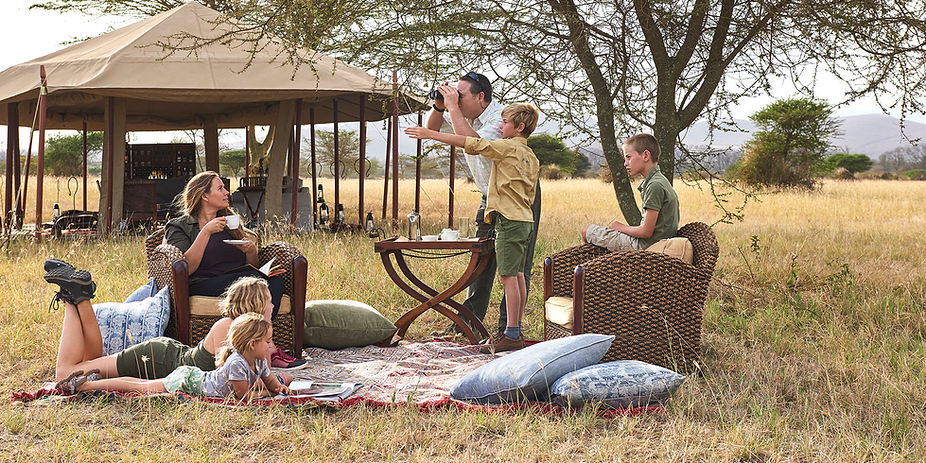
What to Pack for a Tanzania Safari (2026 Guide): The Ultimate Packing List

Planning a safari in Tanzania is one of the most exciting travel experiences in the world, but many travelers underestimate how important packing is until they arrive. Unlike a typical beach or city holiday, a safari places you in remote natural environments where comfort, practicality, and preparation directly affect your overall experience.
Whether you are heading to the iconic Serengeti National Park, exploring the breathtaking Ngorongoro Crater, or combining your safari with a beach stay in Zanzibar, knowing exactly what to pack for a Tanzania safari ensures that you stay comfortable, safe, and fully immersed in the adventure.
This complete Tanzania safari packing guide is designed to help you pack smart, avoid common mistakes, and travel with confidence.
Why Packing Smart for a Tanzania Safari Is Essential
A safari is not a typical vacation where you can easily replace forgotten items. You will often be in remote areas, far from major shops or pharmacies, and daily activities such as early morning game drives, long hours in the vehicle, and changing temperatures require thoughtful preparation.
Temperatures can shift dramatically throughout the day, especially in regions like the Ngorongoro Highlands where mornings can be cold and afternoons warm. In addition, the environment is often dusty, and depending on the season, you may also encounter rain. Packing correctly allows you to adapt easily to these changes without discomfort.
Another key factor is luggage restrictions. Many travelers visiting Tanzania combine multiple destinations and may take domestic flights on small aircraft. These flights typically have strict baggage limits, which means you must prioritize essential items and avoid overpacking.
Ultimately, packing well is not just about convenience—it directly impacts how much you enjoy your safari experience.
Clothing Essentials for a Tanzania Safari
Choosing the right clothing is one of the most important parts of preparing for your safari. The goal is to stay comfortable throughout long game drives while also protecting yourself from the sun, dust, and insects.

Neutral and Breathable Clothing
Safari environments call for neutral-colored clothing such as khaki, beige, olive, and light brown. These colors help you blend into the natural surroundings and avoid attracting insects, which tend to be drawn to dark colors like black and blue.
Lightweight, breathable fabrics such as cotton and moisture-wicking materials are ideal, especially during warmer months. Since you may spend several hours in a safari vehicle, comfort should always be your top priority.
You should plan to pack several short-sleeve t-shirts for daytime use, along with long-sleeve shirts that provide additional protection from both the sun and insects. Long sleeves are particularly useful during early morning and evening game drives when mosquitoes are more active.
Safari trousers or convertible pants are highly recommended because they offer flexibility and comfort. While shorts can be worn at lodges or during relaxed moments, trousers are generally more practical during game drives due to vegetation and insect exposure.
Layering for Temperature Changes
One of the most common mistakes travelers make is underestimating how cold it can get in the early mornings. Game drives often start before sunrise, and temperatures can be surprisingly low, especially in elevated areas.
Layering is the best approach to managing these temperature changes. A lightweight fleece jacket or a warm hoodie is essential for morning drives, while a breathable long-sleeve shirt underneath allows you to adjust as the day warms up. A windbreaker or light jacket is also useful for protecting against cold air during drives.
As the sun rises and temperatures increase, you can gradually remove layers, ensuring that you remain comfortable throughout the day without needing to return to your lodge.
Footwear: Comfort Over Style
Footwear is often overlooked, but it plays an important role in your overall comfort. While most of your time will be spent inside a safari vehicle, you will still walk around lodges, camps, and occasionally participate in short walks.
Comfortable closed shoes such as sneakers or lightweight walking shoes are ideal for daily use. These provide protection from dust and uneven terrain while remaining breathable.
In addition, a pair of sandals or flip-flops is useful for relaxing at your lodge after long game drives. If your itinerary includes walking safaris or more active excursions, then lightweight hiking boots may be worth bringing.
Essential Safari Accessories
Accessories can significantly enhance your safari experience. A wide-brim hat or cap helps protect your face and neck from the strong African sun, while high-quality sunglasses with UV protection reduce glare and improve visibility during drives.
A light scarf or buff is one of the most underrated items you can pack. It can be used to protect your face from dust during dry-season drives, keep you warm in the early morning, or even serve as sun protection when needed.
Safari Gear You Should Not Travel Without
Beyond clothing, there are several essential items that will make your safari smoother and more enjoyable.
Daypack for Game Drives
A small backpack or daypack is extremely useful for organizing your daily essentials. During game drives in short tours like 2 Day Safari from Zanzibar, you will want quick access to items such as your camera, binoculars, sunscreen, water bottle, and personal belongings.
Choosing a lightweight and comfortable daypack ensures that you can carry everything you need without feeling burdened.
Camera and Binoculars
Wildlife encounters are often unpredictable, and animals may be at a distance. While smartphones are convenient, they rarely provide the zoom and clarity needed to capture wildlife effectively.
A good camera with zoom capabilities allows you to document your experience in detail, while binoculars greatly enhance your ability to observe animals, especially in vast landscapes like the Serengeti.
Even if you are not a professional photographer, binoculars can completely transform your safari experience by allowing you to notice details you would otherwise miss.
Power and Charging Solutions
Electricity in safari camps and lodges is sometimes limited, especially in remote areas. Power may only be available at certain times of the day, which means you need to plan ahead.
Bringing a reliable power bank ensures that your devices remain charged during long days out in the bush. A universal travel adapter is also essential, as plug types may vary.
If you are traveling with multiple devices, consider packing extra batteries or charging cables to avoid inconvenience.
Health and Safety Essentials
Your health and comfort should always be a priority when traveling in remote environments.
Insect repellent is one of the most important items you can bring, as it helps protect against mosquito bites. Sunscreen with a high SPF is equally essential due to prolonged sun exposure during game drives.
It is also wise to carry personal medications, a small first aid kit, and hygiene items such as hand sanitizer and wet wipes. These can be extremely useful when you are far from medical facilities or running water.
For some travelers, anti-malaria medication may be recommended, depending on your itinerary and travel history. It is always best to consult a healthcare professional before your trip.

Luggage Rules and Packing Strategy
Understanding luggage requirements is critical, especially if your safari includes domestic flights within Tanzania.,
Soft Bags Are Mandatory for Fly-In Safaris
Most small aircraft used for safari transfers have strict luggage policies that only allow soft-sided bags such as duffel bags. Hard suitcases are usually not permitted because they cannot fit easily into small cargo compartments.
Weight limits are also typically restricted to around 15 kg (33 lbs), so packing efficiently is essential.
Why Packing Light Is Better
Overpacking can quickly become a burden, especially when moving between multiple destinations. The good news is that many lodges offer laundry services, allowing you to reuse clothing during your trip.
By packing fewer, versatile items that can be layered and mixed, you can travel more comfortably and avoid unnecessary stress.
What NOT to Pack for a Tanzania Safari
Avoiding certain items is just as important as knowing what to bring.
Bright-colored clothing can disrupt wildlife viewing and attract unwanted attention from insects. Expensive jewelry is unnecessary and may increase the risk of loss.
Strong perfumes should also be avoided, as they can attract insects and interfere with the natural environment.
Drones are generally restricted in national parks, and bringing one without proper permits can lead to complications.
Seasonal Packing Tips for Tanzania
Tanzania’s climate varies depending on the time of year, and your packing list should reflect this.
Dry Season (June to October)
During this period, mornings are often cool while afternoons are warm and dry. Dust levels can be high, so items like scarves or buffs are particularly useful.
Green Season (November to May)
This season brings occasional rain showers and lush landscapes. A lightweight waterproof jacket becomes essential, and waterproof covers for your gear can be helpful.
Expert Packing Tips to Improve Your Safari Experience
Experienced safari travelers understand that small details can make a big difference. Dressing in layers allows you to adapt quickly to temperature changes, while keeping your essentials in a daypack ensures that everything you need is always within reach.
Charging your devices whenever power is available is a simple habit that can save you from frustration later. Bringing a reusable water bottle also helps you stay hydrated throughout long game drives.
Frequently Asked Questions About What to Pack for a Tanzania Safari
What should I wear on a Tanzania safari?
You should wear lightweight, breathable clothing in neutral colors such as khaki, beige, or olive. These colors help you blend into the environment and avoid attracting insects. Layering is essential, as mornings can be cold while afternoons are warm.
Can I wear bright colors on safari in Tanzania?
It is not recommended to wear bright colors on safari. Bright clothing can disturb wildlife and may attract insects. Neutral tones are always the best choice for both comfort and safety.
How much luggage can I bring on a Tanzania safari?
For most domestic flights within Tanzania, especially fly-in safaris, luggage is limited to soft bags weighing around 15 kg (33 lbs). Hard suitcases are usually not allowed due to space restrictions on small aircraft.
Do I need a jacket for a Tanzania safari?
Yes, a jacket or fleece is essential. Early morning and evening game drives can be quite cold, particularly in areas like the Ngorongoro Crater where temperatures drop significantly.
Is insect repellent necessary for a safari in Tanzania?
Yes, insect repellent is highly recommended. It helps protect against mosquito bites, especially during early mornings and evenings when mosquitoes are more active.
Can I bring a suitcase on a safari in Tanzania?
You should avoid hard-shell suitcases, especially if your itinerary includes domestic flights. A soft duffel bag is the best option because it fits easily into small aircraft storage compartments.
What shoes are best for a Tanzania safari?
Comfortable closed shoes such as sneakers or walking shoes are ideal for game drives and lodge activities. Sandals can be used for relaxing at your accommodation.
Do I need binoculars for a safari?
Yes, binoculars are highly recommended. They enhance your ability to spot and observe wildlife, especially in large open areas like the Serengeti National Park.
Final Thoughts: Pack Smart and Enjoy Every Moment
Packing for a Tanzania safari or Tanzania Safari from Zanzibar is about more than just filling a suitcase—it is about preparing yourself for a unique and immersive experience in one of the world’s most extraordinary natural environments.
By focusing on comfort, practicality, and essential items, you can ensure that nothing distracts you from the beauty of Tanzania’s wildlife and landscapes.
Ready to Plan Your Tanzania Safari?
If you're traveling from Zanzibar or starting your journey in Arusha, having the right preparation makes all the difference.
At Edel Safaris, we guide you beyond just the itinerary—we help you prepare, pack, and experience Tanzania the right way.


Comments