
Bwindi Impenetrable National Park
Uganda
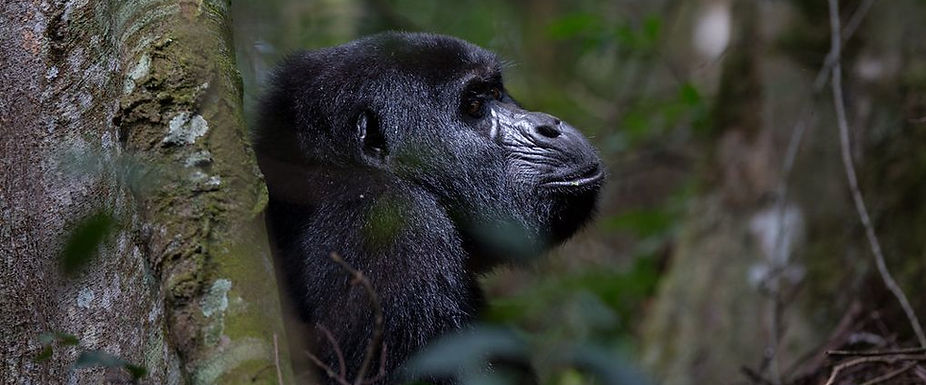
Bwindi Impenetrable National Park - Ultimate Gorilla Trekking Guide
Overview of Bwindi Impenetrable National Park
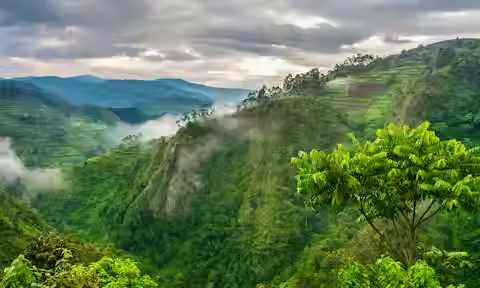
Bwindi Impenetrable National Park stands as Uganda's most celebrated wildlife sanctuary and one of Africa's premier primate destinations. Located in the southwestern corner of Uganda along the edge of the Albertine Rift Valley, this UNESCO World Heritage Site spans 331 square kilometers of ancient rainforest that has remained untouched for over 25,000 years. The park derives its name from the dense vegetation that makes it nearly "impenetrable" to humans, creating a pristine habitat for some of the world's most extraordinary creatures.
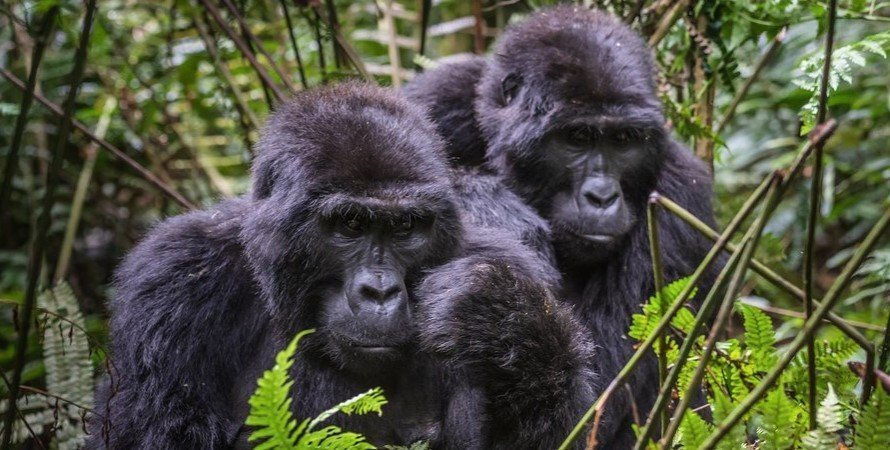
The crown jewel of Bwindi is its mountain gorilla population. According to the latest census data from the Uganda Wildlife Authority, Bwindi protects approximately 459 mountain gorillas, which represents nearly half of the entire world population of this critically endangered species. This makes Bwindi gorilla trekking the most sought-after wildlife experience in East Africa. Visitors from across the globe travel to this remote corner of Uganda for the opportunity to spend one precious hour with these gentle giants in their natural habitat.
Bwindi's significance extends far beyond its gorilla population. The park ranks among Africa's most biologically diverse forests, harboring an astonishing array of flora and fauna. Conservationists have documented 120 mammal species within its boundaries, including chimpanzees, L'Hoest's monkeys, black-and-white colobus monkeys, blue monkeys, red-tailed monkeys, and forest elephants. The park also serves as a birdwatcher's paradise with over 350 bird species recorded, including 23 Albertine Rift endemic species found nowhere else on Earth.
The park's vegetation zones range from lowland forest at 1,160 meters to montane forest at 2,607 meters. This altitudinal variation creates diverse habitats that support the park's remarkable biodiversity. Tree species include the giant lobelia, bamboo, and numerous fig species that provide food for primates and birds. The dense undergrowth, filled with ferns, vines, and flowering plants, creates the "impenetrable" character that gives the park its name.
Bwindi Gorilla Trekking Experience
The gorilla trekking experience in Bwindi begins early in the morning, typically around 6:30 AM, when trekkers gather at the park headquarters for a briefing. Rangers provide essential information about gorilla behavior, safety protocols, and the specific family you will track. After the briefing, groups of eight trekkers maximum, accompanied by armed rangers and trackers, venture into the forest to locate their designated gorilla family. Tracking mountain gorillas in Bwindi requires patience, physical fitness, and a spirit of adventure.
Tracking durations vary significantly depending on where the gorillas spent the previous night. Some treks last only 45 minutes, while others extend to 6 hours or more. The terrain ranges from gentle slopes to steep, slippery hills that require moderate to high fitness levels. Trackers communicate with each other using radio calls to pinpoint the gorillas' location, and when you finally encounter the family, the experience becomes deeply emotional and transformative.
Once gorillas are located, trekkers have exactly one hour to observe, photograph, and absorb the presence of these magnificent creatures. This hour passes quickly as you watch juveniles playing, silverbacks asserting authority, mothers nursing their young, and the entire family going about their daily routines. The proximity to wild gorillas in their natural environment creates an intimate connection rarely achieved in any other wildlife encounter. Gorilla trekking Bwindi consistently ranks among the top wildlife experiences globally, drawing visitors who seek authentic, transformative travel experiences.
Gorilla Families in Bwindi
Bwindi currently has 19 habituated gorilla families available for trekking, distributed across its four trekking sectors. In Buhoma sector, families include Mubare, Habinyanja, and Rushegura. Mubare was the first gorilla family habituated for tourism in 1993, making it historically significant as the original Bwindi gorilla family. Ruhija sector hosts Bitukura, Oruzogo, and Kyaguriro families. The Nkuringo and Rushaga sectors contain the remaining families, many of which have become famous through documentaries and conservation efforts.
Each family has unique characteristics, dynamics, and personalities. Some families are easier to locate due to their territory proximity to park boundaries, while others require longer treks deeper into the forest. The Rushegura family, for example, frequently ventures near the Buhoma trailhead, making it accessible for less experienced trekkers. In contrast, the Nkuringo family inhabits the steep slopes of the Nkuringo sector, offering challenging treks with spectacular views across the Virunga Mountains.
Visitors can choose families based on trekking difficulty, group size preferences, and desired experience. Larger families like Habinyanja offer more gorillas to observe, while smaller families provide more intimate encounters. Advance booking through licensed tour operators ensures you secure your preferred family and sector. Understanding the different Bwindi gorilla families helps travelers select the optimal trekking experience for their fitness level and interests.
Conservation Impact of Gorilla Trekking
Gorilla trekking in Bwindi plays a vital role in mountain gorilla conservation. Revenue from gorilla permits directly funds anti-poaching patrols, veterinary interventions, and community development projects. The Uganda Wildlife Authority reinvests a significant portion of permit fees into protecting gorilla habitats and supporting local communities. This sustainable tourism model has contributed to the remarkable recovery of mountain gorilla populations, which were once on the brink of extinction with fewer than 400 individuals remaining worldwide.
Tourism revenue also supports communities surrounding Bwindi through revenue sharing programs. Local communities receive 20% of park entrance fees, funding schools, health clinics, water projects, and infrastructure development. Many communities operate cultural tourism initiatives, including the Batwa Experience, which preserves and shares indigenous knowledge while providing income for marginalized groups. This community involvement creates local support for conservation, reducing poaching and habitat destruction.
Accommodation Options in Bwindi
Bwindi offers diverse accommodation options ranging from ultra-luxury lodges to budget-friendly camps. Luxury lodges like Sanctuary Gorilla Forest Camp, Bwindi Lodge, and Volcanoes Bwindi Lodge provide exquisite service, gourmet dining, and stunning forest views. These properties command premium rates but deliver unforgettable experiences with amenities like spa treatments, private decks, and personalized service. Many luxury lodges also offer exclusive experiences like private trekking groups and helicopter transfers.
Mid-range options include Gorilla Mist Camp, Trekkers Tavern Cottages, and Buhoma Community Rest Camp, offering comfortable accommodations at accessible prices. These properties provide clean rooms, hot water, and good food without the premium price tag. Budget travelers find basic but clean options at various campsites and guesthouses throughout the region. Self-catering facilities and community-owned lodges provide additional choices for cost-conscious travelers.
Choosing accommodation requires considering proximity to your trekking sector, as transfers between sectors can take hours on rough roads. Most lodges arrange transfers and pack lunches for trekking days. Booking well in advance, especially during peak seasons, ensures availability and preferable room options. Many travelers combine two or three nights in Bwindi to maximize their gorilla trekking opportunities.
Bwindi as a Safari Destination for All Travelers
Bwindi welcomes various types of travelers, from solo adventurers to large family groups. The park's diverse experiences ensure something for everyone, though gorilla trekking remains the primary draw. Couples often choose Bwindi for honeymoon safaris, combining gorilla trekking with luxury lodge stays. Solo travelers join group treks, meeting fellow adventurers from around the world. Families with children aged 15 and above can participate in gorilla trekking, creating unforgettable intergenerational experiences.
The park's accessibility from both Uganda and Rwanda makes Bwindi gorilla safari packages flexible and convenient. Travelers arriving through Entebbe International Airport or Kigali International Airport find excellent connections to Bwindi. This accessibility, combined with the park's world-class wildlife experiences, positions Bwindi as a must-visit destination for anyone seeking an authentic African safari adventure.
Why Bwindi Stands Apart
Bwindi Impenetrable National Park offers unique features that distinguish it from all other safari destinations in Africa. These distinctive characteristics make Bwindi gorilla trekking a once-in-a-lifetime experience that travelers cannot replicate anywhere else on the continent.
Highest Concentration of Mountain Gorillas
Bwindi protects the largest population of mountain gorillas anywhere on Earth. With 459 gorillas inhabiting its forests, the park hosts nearly half of the world's total mountain gorilla population. This concentration provides exceptional gorilla trekking opportunities with 19 habituated families available for visitation. No other destination offers such consistent, reliable gorilla encounters in their natural habitat.
The park's gorilla density creates unique social dynamics, with family groups frequently interacting and overlapping territories. Researchers continue discovering new behavioral patterns among Bwindi's gorillas, contributing to our understanding of primate conservation. For visitors, this density means higher success rates for gorilla trekking, with over 95% of trekkers successfully encountering gorillas.
Four Distinct Trekking Sectors
Bwindi's four trekking sectors - Buhoma, Ruhija, Nkuringo, and Rushaga - each offer unique experiences, gorilla families, and trekking conditions. This diversity allows visitors to choose their preferred experience based on fitness levels, accommodation preferences, and desired difficulty. No other gorilla destination offers such varied trekking options within a single park.
Buhoma serves as the most developed and accessible sector, featuring luxury lodges and easier trekking trails. Ruhija sits at a higher elevation with cooler temperatures and excellent birding opportunities. Nkuringo offers challenging treks with breathtaking views across the Virunga Mountains. Rushaga provides access to multiple gorilla families with varied trekking difficulties. This sector diversity makes Bwindi accessible to travelers with different preferences and abilities.
25,000-Year-Old Rainforest
Bwindi's ancient rainforest remains one of the oldest and most biologically diverse forests in Africa. Dating back 25,000 years, the forest survived the last ice age when much of Africa's forest cover disappeared. This ancient heritage creates a unique ecosystem found nowhere else, with endemic species that evolved in isolation over millennia.
Walking through Bwindi's forest immerses visitors in a primordial landscape that feels unchanged for thousands of years. Giant trees tower overhead, their trunks covered with mosses and ferns. Butterflies, birds, and primates inhabit every level of the forest canopy. This ancient atmosphere adds a spiritual dimension to gorilla trekking, creating an experience that transcends typical wildlife viewing.
Batwa Cultural Heritage
The indigenous Batwa people inhabited Bwindi's forests for thousands of years before the park was established. Today, visitors can experience Batwa culture through guided walks and village visits that preserve this ancient heritage. The Batwa Experience offers insights into traditional hunter-gatherer lifestyles, forest survival skills, medicinal plant knowledge, and cultural traditions.
Participating in Batwa cultural experiences supports community development while enriching visitors' understanding of the human history intertwined with Bwindi's forest. The Batwa share their traditional music, dance, and storytelling, creating meaningful cultural exchanges that complement the gorilla trekking experience.
Birdwatching Paradise
Bwindi ranks among Africa's premier birdwatching destinations, with over 350 bird species recorded within its boundaries. The park protects 23 Albertine Rift endemic species, including African green broadbill, Grauer's swamp-warbler, Shelley's crimsonwing, and dusky crimsonwing. These rare species attract dedicated birdwatchers from around the world who travel specifically to see Bwindi's endemic avifauna.
Birdwatching in Bwindi requires patience and expert guidance, as many species inhabit dense vegetation. Specialized birding tours with expert guides significantly improve sighting opportunities. The Ruhija sector offers particularly productive birding, with trails through various habitats that support diverse bird communities.
Seasonal Overview for Bwindi Gorilla Trekking
Understanding Bwindi's climate patterns helps travelers choose optimal timing for their gorilla trekking safari. The park experiences two distinct rainy seasons and two dry seasons, each offering different advantages for visitors. While gorilla trekking occurs year-round, conditions vary significantly between seasons, affecting trail conditions, visibility, and overall experience.
Dry Season - June to August
Best Time for Gorilla Trekking
June through August represents the absolute best time for gorilla trekking in Bwindi. During these months, rainfall decreases significantly, and trails remain firmer and less muddy than wet season conditions. Easier trekking reduces physical exertion, making this season ideal for older travelers, families, and those with moderate fitness levels. Clearer skies also improve photography conditions, allowing better gorilla photos and landscape shots.
Pros of Dry Season Trekking (June-August)
Trail conditions are firm and less slippery, reducing the physical demands of trekking. Reduced mud and vegetation make paths clearer and more accessible. Lower rainfall means less chance of trekking interruptions or cancellations. Better visibility for photography and wildlife viewing enhances the overall experience. Cooler nights and pleasant daytime temperatures create comfortable conditions for outdoor activities.
Cons of Dry Season Trekking (June-August)
Peak tourist season brings larger crowds to the park, reducing the exclusivity of the experience. Gorilla permits sell out quickly, requiring early booking 8-12 months in advance. Accommodation prices rise with increased demand, potentially increasing safari costs. Lodges and tour operators reach maximum capacity, limiting flexibility for changes.
Dry Season - December to February
December through February provides another window of favorable trekking conditions. This shorter dry spell follows the October-November rains, offering clearer trails and improving access to gorilla families. Many international travelers combine December holidays with gorilla trekking, making this period busy but manageable with advance planning.
Pros of December to February Trekking
Good trail conditions support easier trekking with less mud and slippery sections. Pleasant weather with moderate temperatures creates comfortable trekking conditions. Festive atmosphere during holiday periods adds celebratory energy. Many travelers combine gorilla trekking with other East African safari destinations for comprehensive itineraries.
Cons of December to February Trekking
Higher costs for flights and accommodations during the peak holiday season. Increased tourist numbers, especially around Christmas and New Year. Competitive permit availability requires booking 6-12 months ahead. Limited availability at popular luxury lodges and camps.
Wet Season - March to May
March through May marks the long rainy season in Bwindi, bringing significant rainfall and challenging trekking conditions. While some travelers avoid this period due to mud and slippery slopes, others appreciate the season's unique advantages. Heavy rains transform the forest into lush green landscapes with waterfalls and flowers appearing in abundance.
Pros of Wet Season Trekking (March-May)
Fewer tourists mean more exclusive trekking experiences with smaller groups at accommodations. Lower permit and accommodation prices make gorilla safaris more affordable. Lush green landscapes with vibrant forest colors create dramatic photography opportunities. Prime birdwatching as migratory birds arrive and breeding season begins. Photographers capture dramatic cloud-shrouded scenery and misty forest atmospheres.
Cons of Wet Season Trekking (March-May)
Muddy and slippery trails make trekking more physically demanding and challenging. Higher rainfall can interrupt trekking schedules and make trails impassable. Reduced visibility for photography and wildlife viewing during heavy rain. Some roads become impassable, causing travel delays or requiring longer routes. Physical exertion increases significantly due to challenging terrain and weather conditions.
Wet Season - September to November
The short rainy season spans September to November, with rainfall generally less intense than the March-May period. This season offers similar advantages to the long rains but with slightly improved conditions. Visitors who choose this period experience fewer crowds while managing reasonable trekking challenges.
Pros of September to November Trekking
A balance between better prices and manageable weather conditions. Lush scenery with fewer interruptions from rain compared to long rainy seasons. Opportunities for birdwatching and photography in green landscapes. Flexible booking options and better permit availability than peak seasons.
Cons of September to November Trekking
Unpredictable weather patterns can disrupt itineraries and trekking schedules. Trail conditions vary significantly between days depending on rainfall. Some roads become challenging to navigate requiring 4x4 vehicles. Muddy conditions may limit access to certain gorilla families.
Best Months for Specific Activities
Gorilla Trekking: June-August and December-February Birdwatching: March-April and September-November Budget Travel: March-May and September-November Photography: June-August (clear days) or March-May (misty drama). Cultural Experiences: Year-round, with dry seasons offering easier access
Climate and Weather Details
Bwindi sits at altitudes between 1,160 and 2,607 meters, creating a temperate climate with cooler temperatures than lower-lying areas. Daytime temperatures average 20-25°C during dry seasons, dropping to 10-15°C at night. Wet season temperatures remain similar but with increased humidity and cloud cover. Morning mist frequently blankets the forest, adding atmosphere but sometimes delaying trekking starts.
Annual rainfall exceeds 1,500 millimeters in some Bwindi areas, supporting the dense forest vegetation. Trekking conditions depend heavily on recent rainfall patterns, making flexibility important for itineraries. Many travelers schedule extra days to accommodate weather-related changes, ensuring they still secure their gorilla encounter.
Expert Tips for Seasonal Planning
Peak Season Strategies
Book permits and accommodation 8-12 months ahead for dry season travel to secure your preferred gorilla family and sector. Consider combining Bwindi with Queen Elizabeth National Park to extend your safari and reduce per-day costs. Work with experienced tour operators who secure permits early through established relationships with Uganda Wildlife Authority.
Wet Season Strategies
Pack quality waterproof gear including boots, jackets, and bags to handle rainy conditions. Allow extra time for trekking and maintain flexibility in daily plans for weather delays. Consider additional activities like birdwatching and cultural tours for rainy afternoons when trekking is not possible.
Year-Round Recommendations
Regardless of season, book at least 3-4 nights in Bwindi to maximize gorilla trekking opportunities and allow for weather-related flexibility. Multiple days increase chances of successful sightings even with weather interruptions. Combine trekking with community visits and nature walks for a complete Bwindi experience.
Logistics & Tips
Gorilla Permits Explained
Cost of Gorilla Permits in Bwindi
Gorilla permits in Uganda cost $800 per person for foreign non-residents as of 2024. This fee grants one hour with gorillas and includes ranger guides, security, and park management costs. East African residents pay lower rates of approximately 300,000 UGX (around $80), and Ugandan citizens benefit from discounted permits at 150,000 UGX. Children under 15 cannot trek, and all participants require individual permits that are non-transferable.
The permit fee structure reflects the high value placed on gorilla conservation and sustainable tourism. Revenue generated from permits directly supports anti-poaching operations, habitat protection, and community development initiatives. Understanding permit costs helps travelers budget appropriately for their Bwindi gorilla safari experience.
Where to Book Gorilla Permits
Uganda Wildlife Authority sells gorilla permits directly through their headquarters in Kampala, but most travelers book through licensed tour operators. Tour operators secure permits through partnerships with UWA, often booking 6-12 months ahead for peak season travel. Independent travelers can contact UWA directly, but navigating the system requires patience, time, and persistence.
Many travelers recommend using reputable operators for stress-free booking and confirmation. Tour operators handle the administrative burden, ensuring permits are properly secured and confirmed. They also provide valuable advice on choosing gorilla families and sectors based on individual preferences and fitness levels.
Permit Cancellation and Refund Policy
UWA maintains strict cancellation and refund policies for gorilla permits. Permits become non-refundable 30 days before the trekking date, though some flexibility exists for medical emergencies with proper documentation. Tour operators usually include permit cancellation insurance in their packages for added protection.
Travel insurance specifically covering gorilla trekking cancellations provides additional financial protection. Reading policy details carefully ensures coverage for permit cancellation, medical evacuation, and trip interruption. Understanding cancellation policies helps travelers make informed booking decisions.
Permit Confirmation Process
After booking, travelers receive confirmation documents with permit numbers, gorilla family details, and sector information. Confirmation letters must accompany travelers to the park for check-in at the designated sector headquarters. Photocopies of permits should be kept separately from originals for security.
Park headquarters verify permits against visitor passports during morning briefings. This verification process ensures only authorized trekkers access gorilla families. Travelers must present their confirmation documents and identification at check-in.
Transportation to Bwindi
Road Travel from Kampala/Entebbe
Road journeys from Kampala to Bwindi cover approximately 450 kilometers, taking 7-9 hours depending on road conditions and stops. The route passes through Masaka, Mbarara, and Kabale, traversing scenic terraced hills known as "Uganda's Switzerland." 4x4 vehicles remain essential for navigating Bwindi's rough park roads, and experienced drivers navigate the challenging terrain.
The road journey offers opportunities to see rural Uganda, with views of tea plantations, banana groves, and traditional villages. Travelers often stop at the Equator crossing for photos and at various towns for meals. This overland adventure allows travelers to appreciate Uganda's diverse landscapes and cultures.
Road Travel from Kigali, Rwanda
Many travelers opt to fly into Kigali International Airport and drive to Bwindi, a 4-5 hour journey covering 220 kilometers. This route often provides smoother roads and shorter travel time than the Kampala route. Road transfers from Kigali include border crossings at Gatuna or Cyanika, requiring standard visas for both countries.
Kigali to Bwindi road travel offers spectacular scenery through Rwanda's rolling hills and Uganda's southwestern highlands. The shorter travel time allows more time for activities and reduces transit fatigue. Many safari packages offer flexible Kigali transfers for travelers already visiting Rwanda.
Air Travel Options
Domestic flights from Entebbe to Bwindi's airstrips at Kihihi or Kisoro take approximately 1.5 hours, significantly reducing travel time. Charter flights operate daily with Aerolink Uganda and other providers, connecting Entebbe to Bwindi. Airstrip transfers then deliver travelers to their lodges within 30-90 minutes depending on accommodation location.
Combining road and air travel provides flexibility for diverse itineraries. Flying one way and driving the other offers scenic variety while managing travel time. Tour operators organize seamless transfers between airports and lodges with 4x4 vehicles.
Combining Road and Air Travel
Many safari packages combine road and air travel, flying one way and driving the other. This approach saves time while still experiencing the scenic countryside. Tour operators organize seamless transfers between airports and lodges with experienced drivers.
Packing Essentials
Clothing Recommendations
Waterproof hiking boots with ankle support and deep tread for slippery terrain. Long pants and long-sleeved shirts in neutral colors (olive, khaki, brown) for blending with forest environment. Waterproof rain jacket and pants for unexpected showers. Fleece or warm sweater for cool mornings at high altitude. Lightweight gloves for protection against stinging nettles. Hat for sun protection. Extra socks and underwear for multi-day treks.
Equipment and Accessories
Binoculars with 8x42 magnification for wildlife viewing and birdwatching. Camera with zoom lens (at least 200mm recommended) for capturing gorilla photos. Extra camera batteries and memory cards for extended treks. Headlamp or flashlight for early mornings and evening activities. Walking stick (provided by park or lodges) for balance and support. Sunscreen with high SPF for sun protection. Insect repellent with DEET for mosquito prevention.
Medical and Health Items
Malaria medication prescribed by your doctor before travel. Yellow Fever vaccination certificate (mandatory for Uganda entry). Personal medications and prescriptions with doctor's note. First-aid kit including bandages and antiseptic. Motion sickness tablets for road travel. Water purification tablets or filtered water bottle for safe drinking water.
Fitness and Health Requirements
Physical Fitness Expectations
Gorilla trekking in Bwindi requires moderate to high fitness levels due to steep terrain and high altitude. Treks range from 45 minutes to 6+ hours, covering hills reaching 2,607 meters. Many treks involve climbing rugged slopes with uneven footing and slippery conditions. Regular exercise before traveling significantly improves trekking enjoyment and success rates.
Medical Clearance
Travelers with heart conditions, respiratory issues, or limited mobility should consult healthcare providers before booking. Pregnant women and those with recent surgeries require specialist evaluation. Trekking can be modified for some health conditions, though safety remains paramount for gorilla encounters.
Altitude Considerations
Bwindi's altitude reaches 2,607 meters at highest points, potentially affecting visitors unaccustomed to elevation. Most treks occur between 1,500-2,300 meters where altitude effects remain manageable. Drinking water, walking slowly, and taking breaks reduce altitude-related symptoms.
Preventive Health Measures
Yellow Fever vaccination remains mandatory for Uganda entry, and proof appears on traveler health passports. Malaria prophylaxis starts before travel and continues through the trip. Hepatitis A, Typhoid, and Tetanus vaccinations are recommended for all travelers. Travel insurance covering emergency evacuation proves essential for any safari adventure.
Accommodation Guide
Luxury Lodges ($500-1,500+ per night)
Sanctuary Gorilla Camp (Buhoma): Tented camp with forest views. Bwindi Lodge (Buhoma): Boutique lodge overlooking the forest. Volcanoes Bwindi Lodge (Nkuringo): Spectacular Virunga views. Nkuringo Bwindi Gorilla Lodge: Luxury with community involvement.
Mid-Range Lodges ($200-500 per night)
Gorilla Mist Camp (Ruhija): Comfortable tents with views. Trekkers Tavern Cottages (Buhoma): Self-contained cottages. Buhoma Community Rest Camp: Affordable comfort. Haven Lodge (Buhoma): Mid-range with garden setting.
Budget Options ($50-200 per night)
Bwindi Backpackers (Buhoma): Dormitories and camping. Broadbill Forest Camp (Ruhija): Basic bandas. Ruhija Gorilla Camp: Simple but comfortable.
Choosing Your Accommodation Sector
Accommodation must align with your trekking sector to avoid lengthy transfers. Buhoma offers the widest variety of options, while Ruhija provides mid-range choices. Nkuringo and Rushaga have limited but high-quality lodges. Book early for sector-specific accommodation.
Safety Guidelines
Trekking Safety Rules
Maintain 7-meter distance from gorillas for safety and disease prevention. Never make direct eye contact with gorillas as this may be perceived as threatening. Speak quietly and move slowly to avoid startling gorillas. Do not eat, drink, or smoke near gorillas to prevent disease transmission. Follow ranger instructions immediately and without question. Do not use flash photography which can disturb gorillas. Stay with your group at all times for safety.
Emergency Procedures
Park rangers carry emergency communication equipment for medical situations. Evacuation protocols exist for serious incidents, including helicopter extraction for critical cases. Travel insurance should include emergency evacuation coverage for adequate protection.


Frequently Asked Questions About Bwindi Gorilla Trekking
How much does a Bwindi gorilla permit cost? A: Gorilla permits cost $800 per person for foreign non-residents, including one hour with gorillas and ranger guides.
How early should I book my Bwindi gorilla safari? A: Book 6-12 months in advance for peak season travel to secure permits and preferred accommodation.
What is the minimum age for gorilla trekking in Bwindi? A: The minimum age is 15 years old for gorilla trekking, with some flexibility for exceptional circumstances.
How physically fit do I need to be for gorilla trekking? A: Moderate to high fitness levels are required, with treks ranging from 45 minutes to 6+ hours over steep terrain.
Can I combine Bwindi with other Uganda safari destinations? A: Yes, many travelers combine Bwindi with Queen Elizabeth National Park, Murchison Falls, and Kibale National Park.
Ready to Track Gorillas in Bwindi?
Bwindi Impenetrable National Park offers the most extraordinary gorilla trekking experience in Africa. Whether you seek adventure, wildlife photography, or a transformative conservation experience, Bwindi delivers an unforgettable journey into the heart of the forest. Gorilla trekking in Uganda consistently ranks among the top wildlife experiences globally.
Book Your Bwindi Gorilla Safari Today
Gorilla permits sell out months in advance, especially during peak seasons. Secure your spot now for a once-in-a-lifetime encounter with mountain gorillas in their natural habitat. Don't miss this incredible opportunity to experience Uganda's premier wildlife destination.
Contact Us for Custom Safari Packages
📞 WhatsApp: +255 746 328 326
📧 Email: info@edelsafaris.com
Or Filll out Your Inquiry from here