
Kibale National Park
Uganda
Kibale National Park - Uganda's Primate Capital
Kibale National Park stands as Uganda's premier primate destination and one of Africa's most exceptional rainforest experiences. Located in western Uganda, approximately 320 kilometers from Kampala, this 795-square-kilometer park protects a magnificent tropical rainforest that supports the highest concentration of primates in East Africa. The park's varied habitats, ranging from tropical forest to woodland and savannah, create an ecosystem of extraordinary biodiversity that attracts visitors from across the globe.
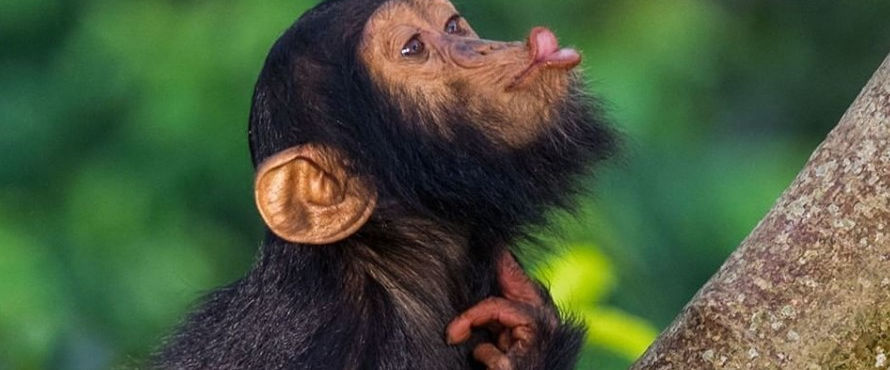
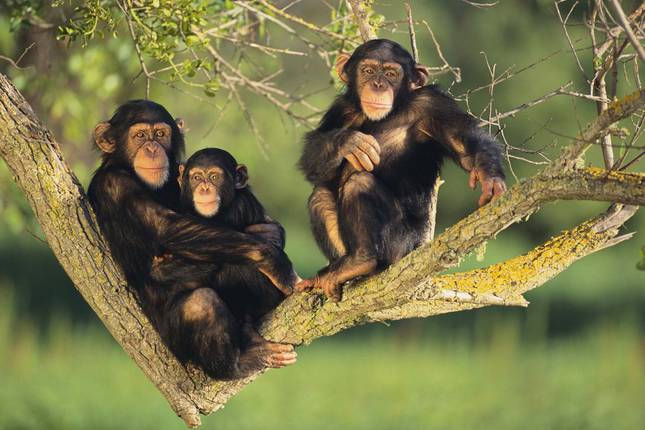
Kibale National Park Uganda is famously known as the "Primate Capital of the World" due to its remarkable primate diversity. The park protects 13 primate species, the highest number of any forest in East Africa. This includes the largest population of chimpanzees in Uganda, with over 1,500 individuals inhabiting the forest. Chimpanzee trekking in Kibale ranks among Africa's most reliable and rewarding primate experiences, with habituated groups providing exceptional viewing opportunities.
The park's significance extends far beyond its primate populations. Kibale protects one of Uganda's last remaining tracts of tropical rainforest, supporting an incredible array of flora and fauna. The park hosts 70 mammal species, including forest elephants, buffalo, and numerous antelope species. Birdwatchers find paradise in Kibale with over 375 bird species recorded, including several Albertine Rift endemics.
Kibale's location in the Albertine Rift Valley, adjacent to the Rwenzori Mountains and Queen Elizabeth National Park, creates a strategic position for safari itineraries. Many travelers combine chimpanzee trekking in Kibale with savannah game viewing in Queen Elizabeth or gorilla trekking in Bwindi, creating diverse and comprehensive Uganda safari experiences. The park's accessibility from Kampala and its excellent tourism infrastructure make it a popular and rewarding destination.
The park's conservation history reflects Uganda's commitment to protecting its natural heritage. Established as a forest reserve in 1932 and upgraded to national park status in 1993, Kibale has benefited from decades of protection and research. The park's chimpanzee habituation program, now one of the world's longest-running primate research projects, has provided invaluable insights into chimpanzee behavior and conservation.
Chimpanzee Trekking in Kibale
Chimpanzee trekking in Kibale National Park represents one of Africa's most reliable and rewarding primate experiences. The park's habituated chimpanzee communities, numbering over 1,500 individuals, provide exceptional viewing opportunities. Trekking groups of up to six visitors, accompanied by experienced guides and armed rangers, venture into the forest to locate one of the park's habituated groups.
The trekking experience begins at the Kanyanchu Tourist Centre, where visitors receive a briefing covering safety protocols, chimpanzee behavior, and forest ecology. The briefing emphasizes maintaining distance from chimpanzees, following guide instructions, and respecting the forest environment. After the briefing, trekkers enter the forest in search of chimpanzees, following trails that range from well-maintained paths to steep forest slopes.
Trekking durations vary depending on the chimpanzees' location and movement patterns. Some treks last only 30 minutes, while others extend to 4 hours or more. The terrain includes both flat sections and moderate slopes, requiring moderate fitness levels. Trackers communicate the chimpanzees' location using radio calls, increasing success rates for trekkers.
Once chimpanzees are located, visitors have exactly one hour to observe these incredible primates in their natural habitat. This hour passes quickly as you watch chimpanzees feed, play, groom, and interact with each other. The proximity to wild chimpanzees creates an intimate connection that makes this experience truly unforgettable. Visitors often observe complex social behaviors that provide insights into our closest living relatives.
Kibale's chimpanzee trekking success rates exceed 95%, making it one of the most reliable chimpanzee viewing destinations in Africa. This high success rate, combined with the accessibility and excellent guiding, makes Kibale the premier chimpanzee trekking destination in East Africa. The park also offers a chimpanzee habituation experience for visitors seeking longer, more immersive encounters.
Chimpanzee Habituation Experience
The Chimpanzee Habituation Experience offers visitors an extended, more immersive encounter with Kibale's chimpanzees. Unlike the standard one-hour trek, the habituation experience lasts a full day, allowing visitors to follow the chimpanzees from their morning nest sites through their daily activities. This extended experience provides deeper insights into chimpanzee behavior, social dynamics, and forest ecology.
During the habituation experience, visitors join researchers and trackers who are habituating chimpanzee groups for tourism. The experience begins at dawn, when the team locates the chimpanzees' overnight nests. Visitors then spend the day following the group, observing feeding patterns, social interactions, and the chimpanzees' movements through the forest. The extended duration provides opportunities to observe behaviors rarely seen during shorter treks.
The habituation experience requires moderate fitness, as participants walk for extended periods through the forest. The experience includes a picnic lunch in the forest, providing a full-day adventure in Kibale's magnificent rainforest. This experience appeals to serious wildlife enthusiasts, researchers, and visitors seeking deeper engagement with the park's primate populations.
The Chimpanzee Habituation Experience operates with limited numbers, with only four visitors per group daily. Advance booking is essential, often several months ahead during peak seasons. The cost of the habituation experience exceeds the standard trekking permit but provides exceptional value for the extended immersion.
Other Primates in Kibale
Kibale National Park's primate diversity extends far beyond its chimpanzee population. The park protects 13 primate species, the highest number in any East African forest. This remarkable diversity makes Kibale a paradise for primate enthusiasts and photographers seeking to observe multiple species in one location.
Red colobus monkeys, one of Kibale's most spectacular primates, move through the forest canopy in large troops. Their striking appearance, with red fur contrasting with black limbs, makes them highly photogenic. L'Hoest's monkeys, with their distinctive white beards and black bodies, inhabit the forest understory, often seen foraging on the forest floor. Black-and-white colobus monkeys, with their dramatic black and white coloration, are easily spotted in the canopy.
Blue monkeys, red-tailed monkeys, and grey-cheeked mangabeys add to the park's primate diversity. Olive baboons and vervet monkeys inhabit the forest edges and savannah areas. The rare and elusive golden cat, though not a primate, adds to the park's mammal diversity. This concentration of primates creates exceptional viewing opportunities for visitors of all ages.
Birdwatching in Kibale National Park
Kibale National Park ranks among Uganda's premier birdwatching destinations, with over 375 recorded bird species. The park's diverse habitats, from rainforest to woodland and savannah, support a wide range of bird communities. Birdwatchers from around the world visit Kibale specifically for the Albertine Rift endemics found nowhere else on Earth.
Notable bird species include the African pitta, green-breasted pitta, and the rare white-naped pigeon. The forest canopy supports many species including numerous weavers, sunbirds, and greenbuls. Forest floor species include the elusive turracaos, francolins, and numerous thrushes. The Bigodi Wetland Sanctuary, adjacent to the park, provides additional birding opportunities with species like the shoebill stork, papyrus gonolek, and many waterbirds.
The best time for birdwatching in Kibale is during the wet seasons from March to May and September to November when migratory birds arrive and breeding plumage displays occur. However, birding remains productive year-round with resident species always present. Expert birding guides familiar with the park's species and their calls significantly improve sighting success rates.
Bigodi Wetland Sanctuary
The Bigodi Wetland Sanctuary, located just outside Kibale National Park, provides exceptional wildlife viewing opportunities in a unique wetland environment. The sanctuary protects 4 square kilometers of papyrus swamp and wetland, supporting diverse birdlife and several primate species. The sanctuary's community-based management model provides income for local residents while protecting critical habitat.
The Bigodi Wetland Walk, a 2-3 hour guided walk through the sanctuary, offers opportunities to see the shoebill stork, papyrus gonolek, and numerous other bird species. Primates including baboons, red-tailed monkeys, and vervet monkeys are frequently sighted. The walk also provides insights into local culture and the importance of wetland conservation.
The sanctuary's community-based tourism model supports conservation and community development through visitor fees. The Bigodi community has developed this project independently, demonstrating the potential for community-based conservation. Visitors contribute directly to local livelihoods while enjoying exceptional wildlife viewing experiences.
Forest Walks and Nature Trails
Kibale National Park offers numerous forest walks and nature trails that allow visitors to explore the rainforest's biodiversity. These walks provide opportunities to see primates, birds, butterflies, and plant species in their natural habitat. The walks range from short, accessible trails to longer, more challenging routes suitable for experienced hikers.
The Kanyanchu area provides several well-maintained trails for visitor use. The Kihingami Wetland Trail offers excellent birding and the chance to see primates near water. The Kanyanchu River Trail follows the river through the forest, providing opportunities to see forest birds and primates. Longer trails lead to the park's interior where more elusive species may be encountered.
Night walks, available with special permits, offer the chance to see nocturnal primates including the bushbaby and potto. These walks also provide opportunities to see nocturnal birds, frogs, and other night-active species. Specialized guides with night-walking experience lead these excursions.
What Makes Kibale National Park Special
Kibale National Park offers unique features that distinguish it from all other safari destinations in Africa. These distinctive characteristics make the park a must-visit for anyone seeking an authentic primate experience.
Highest Primate Concentration in East Africa
Kibale National Park protects 13 primate species, the highest concentration of any forest in East Africa. This remarkable diversity includes chimpanzees, red colobus monkeys, L'Hoest's monkeys, black-and-white colobus monkeys, blue monkeys, red-tailed monkeys, grey-cheeked mangabeys, olive baboons, vervet monkeys, and several nocturnal species. This density creates exceptional viewing opportunities for visitors.
The primate diversity reflects the park's ecological richness and conservation success. Researchers have studied Kibale's primates for decades, contributing to our understanding of primate behavior, ecology, and conservation. Visitors benefit from this research through excellent guiding and high-quality interpretive experiences.
Most Reliable Chimpanzee Trekking in East Africa
Kibale National Park offers the most reliable chimpanzee trekking in East Africa, with success rates exceeding 95%. The park's habituated chimpanzee communities, numbering over 1,500 individuals, provide exceptional viewing opportunities for visitors. This high success rate, combined with the accessibility and excellent guiding, makes Kibale the premier chimpanzee trekking destination in Africa.
The park's chimpanzee habituation program, one of the world's longest-running primate research projects, has habituated several groups to human presence. This habituation allows close observation while maintaining the chimpanzees' natural behavior. Visitors consistently report exceptional experiences with Kibale's chimpanzees.
Unique Chimpanzee Habituation Experience
Kibale National Park offers a unique Chimpanzee Habituation Experience that allows visitors to spend a full day with chimpanzees. This extended experience, available nowhere else in Uganda, provides deeper insights into chimpanzee behavior, social dynamics, and forest ecology. The experience appeals to serious wildlife enthusiasts seeking deeper engagement with the park's primate populations.
Bigodi Wetland Sanctuary
The Bigodi Wetland Sanctuary, adjacent to Kibale, provides a community-based conservation success story and exceptional wildlife viewing. The sanctuary's papyrus swamps support the shoebill stork and numerous other rare birds. The community-managed model provides income for local residents while protecting critical habitat.
Unparalleled Primate Photography Opportunities
Kibale's high primate density and habituated groups create unparalleled photography opportunities. Visitors can photograph multiple primate species in their natural habitat, including rare and endangered species. The forest canopy provides challenging but rewarding photography conditions, with dramatic lighting filtering through the leaves.
Best Time to Visit Kibale National Park
Seasonal Overview for Kibale Safari
Understanding Kibale National Park's climate patterns helps travelers choose optimal timing for their chimpanzee trekking experience. The park experiences two distinct rainy seasons and two dry seasons, each offering different advantages for primate viewing, photography, and overall experience.
Dry Season - June to August and December to February
Best Time for Chimpanzee Trekking
The dry seasons from June to August and December to February represent the best time for chimpanzee trekking in Kibale. During these months, rainfall decreases significantly, and forest trails remain firmer and less muddy than wet season conditions. Easier trekking reduces physical exertion and improves the overall experience.
The reduced forest density during dry seasons improves visibility, making chimpanzee spotting easier. Chimpanzees also tend to stay closer to the ground during dry periods, providing better viewing opportunities. The drier conditions allow trekkers to stay longer in the forest without discomfort.
Pros of Dry Season Trekking (June-August, December-February)
Trail conditions are firm and less slippery, reducing the physical demands of trekking. Reduced rain means less chance of trekking interruptions. Better visibility for photography and chimpanzee viewing. Clearer skies provide better forest lighting. Cooler nights and pleasant daytime temperatures create comfortable conditions.
Cons of Dry Season Trekking (June-August, December-February)
Peak tourist season brings larger crowds to the park. Chimpanzee permits sell out quickly, requiring early booking. Higher prices for accommodation. Limited availability at popular lodges.
Wet Season - March to May and September to November
Alternative Trekking Experience
The wet seasons from March to May and September to November offer alternative trekking experiences with different advantages. While rainfall increases, the forest transforms into lush, vibrant environments with abundant flowers and migratory birds. These periods provide excellent value for budget-conscious travelers.
Pros of Wet Season Trekking (March-May, September-November)
Fewer tourists mean more exclusive trekking experiences. Lower permit and accommodation prices. Lush green forest with vibrant colors for photography. Excellent birdwatching with migratory species. Dramatic lighting through rain clouds for photography.
Cons of Wet Season Trekking (March-May, September-November)
Muddy and slippery trails make trekking more physically demanding. Higher rainfall can interrupt trekking schedules. Reduced visibility for photography during rain. Some roads become challenging. Mosquito activity increases with standing water.
Best Months for Specific Activities
Chimpanzee Trekking: June-August and December-FebruaryBirdwatching: March-April and September-NovemberBudget Travel: March-May and September-NovemberPhotography: June-August (clear days) or March-May (dramatic landscapes)
Climate and Weather Details
Kibale National Park experiences a tropical climate with temperatures averaging 18-25°C during the day and dropping to 12-15°C at night. The park's altitude ranges from 1,100 to 1,600 meters, creating cooler temperatures than lower-lying areas. Annual rainfall averages 1,500 millimeters, supporting the dense forest vegetation.
Expert Tips for Seasonal Planning
Peak Season Strategies
Book permits and accommodation 6-8 months ahead for dry season travel. Consider combining Kibale with other parks for comprehensive itineraries. Work with experienced tour operators who secure permits early.
Wet Season Strategies
Pack quality waterproof gear including boots, jackets, and bags. Allow extra time for trekking and maintain flexibility. Consider additional activities like Bigodi Wetland walks for rainy afternoons.
Year-Round Recommendations
Book at least 2-3 nights in Kibale to maximize chimpanzee trekking opportunities. Allow time for both trekking and other forest activities. Combine with nearby Queen Elizabeth for diverse experiences.
Logistics & Tips
Chimpanzee Trekking Permits
Cost of Chimpanzee Permits
Chimpanzee trekking permits in Kibale cost $200 per person for foreign non-residents. This fee grants one hour with chimpanzees and includes guide services, forest entry, and security. East African residents pay lower rates, and Ugandan citizens benefit from discounted fees.
Chimpanzee Habituation Experience Permits
The Chimpanzee Habituation Experience costs $250 per person for foreign non-residents for a full day with chimpanzees. This extended experience includes a packed lunch, guide services, and a full day in the forest. Only four visitors per day are allowed, requiring advance booking.
Where to Book Permits
Uganda Wildlife Authority sells chimpanzee permits directly, but most travelers book through licensed tour operators. Tour operators secure permits through partnerships with UWA, often booking 6-8 months ahead for peak season travel.
Permit Cancellation Policy
UWA maintains strict cancellation and refund policies for chimpanzee permits. Permits become non-refundable 30 days before the trekking date, though some flexibility exists for medical emergencies.
Transportation to Kibale
Road Travel from Kampala/Entebbe
Road journeys from Kampala to Kibale National Park cover approximately 320 kilometers, taking 5-6 hours via the Kampala-Fort Portal Road. The route passes through Mubende and Fort Portal, traversing scenic landscapes and tea plantations. 4x4 vehicles are essential for navigating the park's access roads.
Combining with Other Parks
Kibale connects well to other Ugandan safari destinations. The drive from Kibale to Queen Elizabeth National Park takes approximately 3-4 hours, making it a logical combination. Travelers can combine chimpanzee trekking in Kibale with game viewing in Queen Elizabeth and gorilla trekking in Bwindi.
Air Travel Options
Domestic flights from Entebbe to Kasese Airstrip take approximately 1.5 hours, with ground transfers to Kibale taking 1-2 hours. Charter flights provide time-saving options for travelers with limited schedules.
Accommodation Guide
Luxury Lodges ($500-1,500+ per night)
Kibale Forest Lodge: Luxury lodge overlooking the forest. Primate Lodge Kibale: Exclusive lodge within the park. Nyabyeya Lodge: Luxury tented camp with excellent facilities. Ndali Lodge: Boutique lodge with crater lake views.
Mid-Range Lodges ($200-500 per night)
Chimpanzee Forest Guesthouse: Comfortable accommodation in Fort Portal. Isunga Lodge: Mid-range lodge with forest views. Kanyanchu Guesthouse: Simple but comfortable park accommodation.
Budget Options ($50-200 per night)
Fort Portal Backpackers: Budget accommodation with campsites. Rwenzori View Guesthouse: Simple rooms in Fort Portal. Community campsites: Affordable options supporting local communities.
Packing Essentials
Clothing Recommendations
Neutral-colored clothing (khaki, olive, brown) for blending with the forest. Long pants and long-sleeved shirts for insect protection. Waterproof jacket for rain. Warm fleece or sweater for cool mornings. Hat and sunglasses. Sturdy walking shoes with good grip.
Equipment and Accessories
Binoculars with 8x42 magnification for primate viewing. Camera with zoom lens. Extra camera batteries and memory cards. Headlamp or flashlight. Sunscreen and insect repellent.
Medical and Health Items
Malaria medication as prescribed. Personal medications. First-aid kit. Motion sickness tablets for road travel.


FAQ - Kibale National Park
How much does a chimpanzee permit cost in Kibale? Chimpanzee trekking permits cost $200 per person. The Chimpanzee Habituation Experience costs $250 per person for a full-day experience.
What is the success rate for chimpanzee trekking in Kibale? Kibale offers over 95% success rates for chimpanzee trekking, making it the most reliable chimpanzee viewing destination in East Africa.
What other primates can I see in Kibale? Kibale protects 13 primate species including red colobus, L'Hoest's monkeys, black-and-white colobus, blue monkeys, red-tailed monkeys, and grey-cheeked mangabeys.
How many days should I spend in Kibale? We recommend 2-3 nights in Kibale for one or two chimpanzee treks plus other forest activities. A 3-day package provides excellent experiences.
What is the Chimpanzee Habituation Experience? The habituation experience is a full-day program following chimpanzees from morning nests through their daily activities. Only four visitors per day allowed.
Can I combine Kibale with other parks? Yes, Kibale combines well with Queen Elizabeth National Park (3-4 hours drive) and Bwindi gorilla trekking (5-6 hours drive).
What is the best time to visit Kibale? June-August and December-February offer the best trekking conditions. Wet seasons offer lower prices and lush forest.
Is Kibale suitable for children? Chimpanzee trekking has a minimum age of 12 years. The Bigodi Wetland Walk and forest walks are suitable for younger children.
What accommodations are available? Kibale offers luxury lodges (Kibale Forest Lodge, Primate Lodge), mid-range options, and budget campsites in nearby Fort Portal.
What should I pack for Kibale? Pack neutral-colored clothing, waterproof jacket, sturdy walking shoes, binoculars, camera, sunscreen, insect repellent, and personal medications.
Ready for Your Kibale Chimpanzee Safari?
Kibale National Park offers the most reliable chimpanzee trekking in East Africa. Track chimpanzees through ancient rainforest. See 13 primate species. Experience Uganda's primate capital. Book your chimpanzee safari today.
Book Your Kibale Chimpanzee Safari Today
Chimpanzee permits sell out months in advance, especially during peak seasons. Secure your spot now for this incredible primate experience.
Contact Us for Custom Safari Packages
📞 WhatsApp: +255 746 328 326
📧 Email: info@edelsafari.com