
Kidepo Valley National Park
Uganda
Kidepo Valley National Park - Uganda's Hidden Wilderness
Kidepo Valley National Park stands as Uganda's most remote and untamed wilderness, offering a safari experience unlike any other in the country. Located in the northeastern corner of Uganda, bordering South Sudan and Kenya, this 1,442-square-kilometer park remains one of Africa's last great wilderness areas. Its isolation has preserved pristine landscapes and wildlife populations that have disappeared from many other protected areas.
Kidepo Valley National Park Uganda is often described as the "Jewel of the Wild" and has been recognized by CNN Travel as one of Africa's best safari destinations. The park's dramatic scenery, with vast savannah plains framed by mountain ranges, creates a breathtaking backdrop for wildlife viewing. The Narus Valley, the park's wildlife hub, supports dense populations of game that gather around the Narus River's permanent water sources.
The park's remote location, approximately 700 kilometers from Kampala, has protected it from the pressures that affect more accessible parks. Wildlife populations have thrived, with species like cheetahs, ostriches, and bat-eared foxes found nowhere else in Uganda. Kidepo's isolation rewards visitors with exclusive safari experiences, often without seeing another vehicle during game drives.
Kidepo Valley National Park is divided into two distinct valleys: the Narus Valley and the Kidepo Valley. The Narus Valley, with its permanent water sources, supports the park's highest wildlife concentrations. The Kidepo Valley, seasonal in nature, offers dramatic dry landscapes and stunning scenery. This combination of habitats creates a diverse ecosystem that supports exceptional wildlife populations.
The park's significance extends beyond its wildlife. The Karamojong people, traditionally pastoralists, inhabit the areas surrounding the park, maintaining cultural traditions that have persisted for centuries. Visitors can engage with Karamojong communities, gaining insights into their culture and the challenges of conservation in this remote region.
Wildlife Diversity in Kidepo Valley
Kidepo Valley National Park protects an impressive array of wildlife that includes species found nowhere else in Uganda. The park's mammal list includes 86 species, representing one of Uganda's most diverse wildlife populations. The Narus Valley's permanent water sources attract dense wildlife concentrations, creating exceptional game viewing opportunities.
The park's elephant population, numbering over 2,000 individuals, represents one of Uganda's largest elephant populations. These majestic animals gather in the Narus Valley, frequently visible during game drives. Elephant herds of 50 or more individuals provide spectacular sightings against the park's dramatic scenery.
Kidepo is the only park in Uganda where visitors can reliably see cheetahs. These sleek predators hunt on the open plains, their speed and grace captivating visitors who spot them. The park's cheetah population, though small, provides unique viewing opportunities unavailable elsewhere in Uganda. Ostriches, the world's largest birds, also thrive in Kidepo, their distinctive forms adding to the park's wildlife diversity.
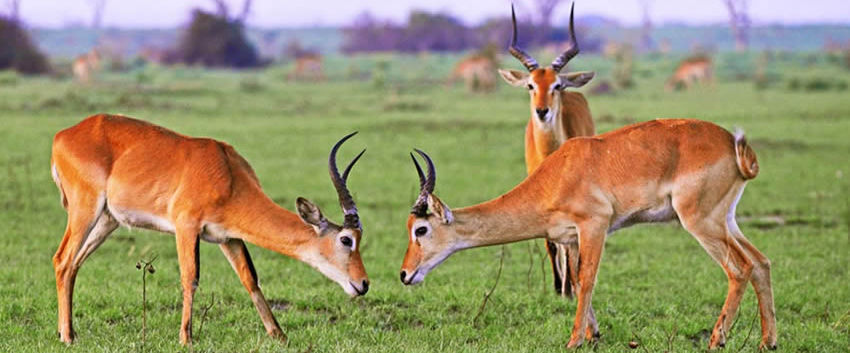
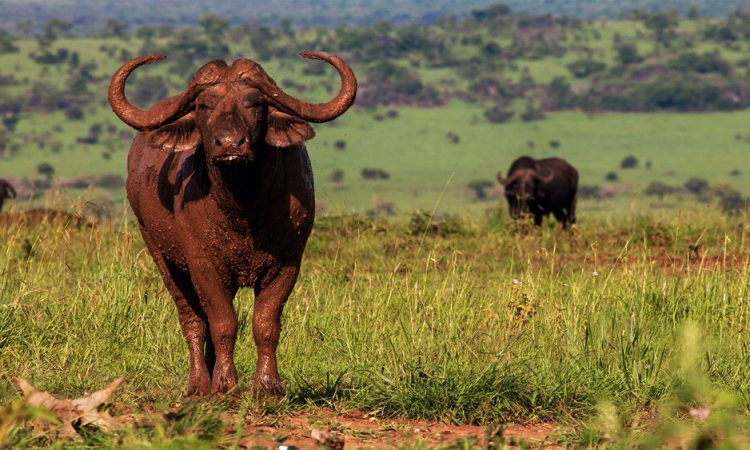
Other wildlife includes buffalo, giraffes, zebras, elands, hartebeests, and numerous antelope species. Lions, leopards, and spotted hyenas complete the predator community. The park's birdlife, with over 475 species recorded, rivals any in Uganda, including the endemic Kidepo barbet found nowhere else on Earth.
The Narus Valley Experience
The Narus Valley serves as Kidepo's wildlife hub, where permanent water sources attract dense wildlife populations throughout the year. Game drives through the valley provide consistent sightings of elephants, buffalo, giraffes, zebras, and numerous antelope species. The open terrain makes game viewing exceptionally rewarding, with animals visible across the valley.
Morning game drives in the Narus Valley offer optimal wildlife viewing conditions. As the sun rises over the mountains, animals become active, moving to water sources and grazing on the open plains. The golden light creates spectacular photography conditions, with the mountains providing dramatic backdrops. Guided by experienced rangers, visitors explore the valley's network of tracks.
Afternoon game drives provide different lighting conditions as the sun sets over the valley. The cooling temperatures bring animals back to the water sources, creating dense concentrations visible from the roads. The park's predators become more active during these hours, with cheetahs hunting and lions beginning their nightly activities.
Night game drives, available with special permits, offer the chance to see nocturnal wildlife including leopards, hyenas, and smaller mammals. The darkness transforms the valley, revealing species active only after sunset. Specialized guides with night-driving experience lead these exclusive excursions.
The Kidepo Valley and Dramatic Landscapes
The Kidepo Valley, seasonal in nature, offers dramatic landscapes that contrast with the Narus Valley's abundant wildlife. The Kidepo River, which flows only during the rainy season, has carved spectacular gorges through the valley. The stark beauty of this dry landscape, with its rugged mountains and vast plains, creates breathtaking scenery for photography.
The Kidepo Valley's landscapes are dominated by the Morungole Mountains, rising to over 2,700 meters. These mountains, inhabited by the Ik people, provide stunning backdrops for photography and offer hiking opportunities for adventurous visitors. The views from the mountains across the park and into South Sudan and Kenya are breathtaking.
Visitors can hike to the Morungole Mountains, experiencing the park's diverse landscapes and meeting the Ik people. These hikes require moderate fitness and advance planning. The combination of wildlife viewing and mountain scenery creates a unique safari experience.
The Karamojong Culture
The Karamojong people, traditional pastoralists, inhabit the areas surrounding Kidepo Valley National Park. Their culture, preserved by the region's isolation, offers visitors insights into traditional African pastoralism. The Karamojong maintain their traditional dress, housing, and customs, having resisted modernization more than many other groups.
Visitors can arrange cultural visits to Karamojong villages, experiencing traditional dances, crafts, and daily life. These visits provide economic benefits for Karamojong communities, supporting conservation through alternative livelihoods. The cultural experience adds depth to the Kidepo safari, connecting visitors to the human history of this remote region.
The Ik people, inhabiting the Morungole Mountains, represent one of Uganda's smallest and most unique ethnic groups. Their culture, adapted to the mountain environment, provides fascinating insights into human adaptation. Visits to Ik villages require prior arrangement and are recommended for interested visitors.
What Makes Kidepo Valley National Park Special
Kidepo Valley National Park offers unique features that distinguish it from all other safari destinations in Uganda and East Africa. These distinctive characteristics make the park a must-visit for anyone seeking an authentic, remote African safari experience.
Cheetahs - Uganda's Only Reliable Population
Kidepo Valley National Park is the only park in Uganda where visitors can reliably see cheetahs. These sleek predators, found nowhere else in the country, hunt on the park's open plains. The cheetah population, though small, provides unique viewing opportunities that attract visitors from around the world.
Ostriches - Uganda's Only Wild Population
Kidepo is the only national park in Uganda with wild ostriches. These magnificent birds, the world's largest, roam the park's open plains. Their distinctive forms, with long necks and powerful legs, add to the park's unique wildlife diversity. Ostriches are regularly sighted during game drives in the Narus Valley.
Most Remote Park in Uganda
Kidepo Valley National Park is Uganda's most remote national park, approximately 700 kilometers from Kampala. This isolation protects the park from the pressures affecting more accessible parks. Visitors enjoy exclusive safari experiences, often without seeing another vehicle during game drives. This remoteness creates a wilderness experience unmatched in Uganda.
Second Largest Protected Area
Kidepo Valley National Park is Uganda's second largest protected area after Murchison Falls National Park. The park's 1,442 square kilometers encompass two distinct valleys: the Narus Valley and the Kidepo Valley. This size supports diverse wildlife populations and provides extensive wilderness for exploration.
Dramatic Mountain Scenery
The park's setting, surrounded by the Morungole Mountains and with views into South Sudan and Kenya, creates dramatic scenery that enhances the safari experience. The mountains provide spectacular photography backdrops and hiking opportunities. The combination of wildlife viewing and mountain scenery creates a unique safari experience.
Highest Bird Diversity in Uganda
Kidepo Valley National Park protects over 475 bird species, the highest recorded in any Ugandan park. This diversity includes the endemic Kidepo barbet found nowhere else on Earth. Birdwatchers find exceptional viewing opportunities across the park's diverse habitats.
Karamojong Cultural Experience
The Karamojong people, traditional pastoralists, inhabit the areas surrounding the park. Their preserved culture provides authentic cultural experiences unavailable elsewhere in Uganda. Village visits offer insights into traditional African pastoralism
Seasons in Kidepo Valley National Park
Understanding Kidepo Valley National Park's climate patterns helps travelers choose optimal timing for their safari experience. The park experiences distinct dry and wet seasons, each offering different advantages for wildlife viewing and overall experience.
Dry Season - December to March and June to September
Best Time for Wildlife Viewing
The dry seasons from December to March and June to September represent the best time for wildlife viewing in Kidepo Valley National Park. During these months, rainfall decreases significantly, and animals concentrate around permanent water sources. This concentration makes wildlife easier to spot during game drives.
The reduced vegetation improves visibility across the plains, making it easier to spot game. Animals gather in large numbers at remaining water sources, creating spectacular wildlife scenes. The Narus Valley's permanent water sources attract dense wildlife concentrations throughout the dry season.
Pros of Dry Season Safari
Excellent wildlife viewing with animals concentrated at water sources. Reduced vegetation improves visibility. Clearer skies and stable weather create ideal photography conditions. Lower risk of rain disrupting game drives. More comfortable nights and pleasant daytime temperatures. Easier road conditions for game drives.
Cons of Dry Season Safari
Limited accommodation availability requiring early booking. Higher prices during peak months. Hotter daytime temperatures. Limited road access in some areas.
Wet Season - March to May and October to November
Alternative Safari Experience
The wet seasons from March to May and October to November offer alternative safari experiences with different advantages. While rainfall increases, the landscape transforms into lush green environments with abundant birdlife. These periods provide excellent value for budget-conscious travelers.
Pros of Wet Season Safari
Lush green landscapes with vibrant colors for photography. Fewer tourists at the park. Lower prices for accommodation. Excellent birdwatching with migratory species. Dramatic skies for photography. The Kidepo River flows, adding scenic beauty.
Cons of Wet Season Safari
Road conditions become challenging on unpaved tracks. Higher grass reduces visibility for spotting game. Rain can interrupt game drives. Some areas become inaccessible. Increased mosquito activity.
Best Months for Specific Activities
Game Viewing: December-March and June-SeptemberBirdwatching: March-May and October-NovemberBudget Safari: March-May and October-NovemberPhotography: June-September (clear days) or March-May (dramatic skies)Cultural Experiences: Year-round
Climate and Weather Details
Kidepo Valley National Park experiences a semi-arid climate with temperatures averaging 25-35°C during the day and dropping to 15-20°C at night. The park receives between 500-800 millimeters of annual rainfall, making it one of Uganda's driest regions.
Logistics & Tips
Park Fees and Activities
Kidepo Valley National Park Entry Fees
Kidepo Valley National Park requires entry fees for all visitors, payable at the park gates or during booking. Current fees for foreign non-residents are $40 per adult and $20 per child for a 24-hour entry permit. East African residents pay lower rates, and Ugandan citizens benefit from discounted fees.
Game Drive Fees
Game drive fees are included in the park entry fee. Special night game drives require additional permits at approximately $30 per person. These permits must be arranged in advance through the Uganda Wildlife Authority.
Transportation to Kidepo
Road Travel from Kampala
Road journeys from Kampala to Kidepo Valley National Park cover approximately 700 kilometers, taking 10-12 hours. The journey passes through Mbale, Soroti, and Moroto, traversing diverse landscapes. The remote location makes Kidepo the most challenging Ugandan park to access.
4x4 vehicles are essential for the journey and park game drives. Experienced drivers familiar with the route and park roads ensure safe transfers. Many travelers break the journey with overnight stops in Mbale or Moroto.
Road Travel from South Sudan or Kenya
Kidepo's proximity to South Sudan and Kenya makes it accessible from these countries. Travelers can enter from South Sudan through the Lomugol border or from Kenya through the Moroto-Kitgum route. Transborder travel requires proper documentation and advance arrangement.
Air Travel Options
Domestic flights from Entebbe to Kidepo's Apoka Airstrip take approximately 2.5 hours, significantly reducing travel time. Charter flights operate with Aerolink Uganda and other providers. Airstrip transfers deliver travelers to lodges within 15-30 minutes.
Accommodation Guide
Luxury Lodges ($500-1,500+ per night)
Apoka Safari Lodge: Iconic lodge with stunning views overlooking the Narus Valley. Kidepo Savannah Lodge: Luxury tented camp with excellent facilities. Adere Safari Lodge: Boutique lodge with personalized service.
Mid-Range Lodges ($200-500 per night)
Narus Camp: Comfortable tents with good facilities. Kidepo River Lodge: Mid-range lodge near the river. Uganda Wildlife Authority Bandas: Simple but comfortable park accommodation.
Budget Options ($50-200 per night)
Apoka Rest Camp: Basic but clean accommodation. Community campsites: Affordable options supporting local communities. Guesthouses in nearby towns: Simple rooms for budget travelers.
Packing Essentials
Clothing Recommendations
Neutral-colored clothing (khaki, olive, brown) for blending with the environment. Long pants and long-sleeved shirts for sun and insect protection. Lightweight clothing for hot days. Warm fleece for cool mornings and evenings. Hat and sunglasses for sun protection. Sturdy walking shoes.
Equipment and Accessories
Binoculars with 8x42 magnification for wildlife viewing. Camera with zoom lens (at least 300mm recommended for distant game). Extra camera batteries and memory cards. Headlamp or flashlight. Sunscreen with high SPF. Insect repellent with DEET.
Medical and Health Items
Malaria medication as prescribed. Personal medications. First-aid kit. Water purification tablets. Motion sickness tablets for road travel.


FAQ - Kidepo Valley National Park
Where is Kidepo Valley National Park located? Kidepo Valley National Park is located in northeastern Uganda, bordering South Sudan and Kenya, approximately 700 kilometers from Kampala.
What is Kidepo famous for? Kidepo is famous for cheetahs, ostriches, dramatic scenery, and being Uganda's most remote national park. It offers the only reliable cheetah sightings in Uganda.
How do I get to Kidepo? Kidepo is accessible by road (10-12 hours from Kampala) or by domestic flight to Apoka Airstrip (2.5 hours from Entebbe). A 4x4 vehicle is essential.
What wildlife can I see in Kidepo? Kidepo protects 86 mammal species including cheetahs, elephants, buffalo, giraffes, zebras, lions, leopards, and ostriches. Birdwatchers see 475+ species.
How many days should I spend in Kidepo? We recommend 3-4 nights in Kidepo to explore the Narus Valley and Kidepo Valley fully. The remote location makes longer stays worthwhile.
What is the best time to visit Kidepo? The dry seasons from December-March and June-September offer the best wildlife viewing. The wet seasons offer lush scenery and excellent birding.
Is Kidepo safe to visit? Yes, Kidepo is safe for tourists with experienced rangers and guides accompanying all activities. Armed rangers patrol the park and ensure visitor safety.
What accommodations are available? Kidepo offers luxury lodges (Apoka Safari Lodge), mid-range options, and budget bandas. Limited accommodations require advance booking.
Can I combine Kidepo with other parks? Kidepo is remote, making it difficult to combine with other Ugandan parks. However, it can be combined with visits to the Karamojong region.
What should I pack for Kidepo? Pack neutral-colored clothing, lightweight clothing for hot days, warm fleece for evenings, sturdy shoes, hat, sunscreen, insect repellent, binoculars, and camera.
Ready for Your Kidepo Wilderness Safari?
Kidepo Valley National Park offers Uganda's most exclusive safari experience. See cheetahs, ostriches, and spectacular scenery. Explore Uganda's remote wilderness. Book your adventure today.
Book Your Kidepo Safari Today
Limited accommodation available in this remote park. Secure your Kidepo safari package now for this exclusive Uganda experience.
Contact Us for Custom Safari Packages
📞 WhatsApp: +255 746 328 326
📧 Email: info@edelsafari.com