
Lake Mburo National Park
Uganda
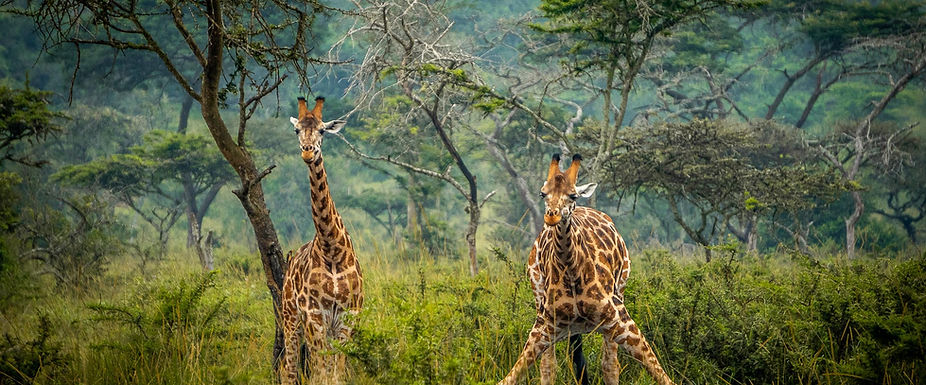
Lake Mburo National Park - Uganda's Zebra Paradise
Lake Mburo National Park stands as Uganda's smallest savannah national park, covering 370 square kilometers in the western region of the country. Despite its modest size, this compact park offers exceptional wildlife viewing experiences and unique activities not available in Uganda's larger parks. Located approximately 240 kilometers from Kampala, Lake Mburo provides an accessible safari destination that can be visited on a weekend getaway or combined with longer Uganda safari itineraries.
Lake Mburo National Park Uganda is the only park in Uganda where visitors can see zebras, impalas, topis, and elands without traveling to more remote destinations. The park protects significant populations of Burchell's zebras, which roam the savannah plains in large herds. These iconic animals, with their distinctive black and white stripes, provide excellent photography opportunities against the park's scenic backdrop of rolling hills and acacia woodlands.
The park's name derives from Lake Mburo, one of five lakes that form a wetland system within the park boundaries. These lakes support rich birdlife and provide water for the park's wildlife populations. The lake shores teem with hippos, crocodiles, and numerous waterbirds, creating diverse wildlife viewing opportunities. The wetland ecosystem contrasts with the savannah plains, adding ecological variety to the safari experience.
Lake Mburo's accessibility and manageable size make it an ideal destination for travelers with limited time, families, and those seeking a relaxed safari experience. The park offers activities that cater to different interests and fitness levels, including game drives, boat cruises, walking safaris, and horseback riding. This variety of experiences, combined with the park's proximity to Kampala and the equator, positions Lake Mburo as a versatile safari destination.
The park's history reflects Uganda's conservation journey. Originally established as a hunting reserve in 1933, Lake Mburo was upgraded to national park status in 1983. The park faced significant challenges during Uganda's political instability, with wildlife populations decimated by poaching. Recovery efforts have been successful, with zebra, impala, and buffalo populations rebounding significantly. The park now serves as a conservation success story and a vital protected area in Uganda's national park system.

What Makes Lake Mburo Special
Lake Mburo National Park offers unique features that distinguish it from all other safari destinations in Uganda. These distinctive characteristics make the park a valuable addition to any Uganda safari itinerary.
Only Park with Zebras in Uganda
Lake Mburo National Park is the only park in Uganda where visitors can see zebras. These iconic animals, with their distinctive black and white stripes, represent the park's signature species. The zebra herds, numbering in the hundreds, provide spectacular viewing opportunities.
Walking Safaris
Lake Mburo offers exceptional walking safaris, a unique experience not available in most Ugandan parks. These guided walks provide intimate wildlife encounters and perspectives impossible to achieve from vehicles.
Horseback Safaris
The park offers unique horseback safaris, allowing visitors to explore the wilderness from an elevated perspective. This experience provides intimate wildlife encounters and memorable safari adventures.
Smallest Savannah National Park
Lake Mburo is Uganda's smallest savannah national park, covering 370 square kilometers. The park's manageable size makes it ideal for short safaris and weekend getaways.
Only Park with Impalas and Topis
Lake Mburo protects impalas and topis, species not found in other Ugandan parks. These antelope species, with their distinctive features, add to the park's wildlife diversity.
Lake Systems and Wetlands
Lake Mburo and its associated lakes create a wetland system that supports diverse wildlife, including hippos, crocodiles, and numerous bird species. The wetland ecosystem contrasts with the savannah plains, adding ecological variety to the safari experience.
Seasons in Lake Mburo Safari
Understanding Lake Mburo National Park's climate patterns helps travelers choose optimal timing for their safari experience. The park experiences two distinct rainy seasons and two dry seasons, each offering different advantages for wildlife viewing and activities.
Dry Season - June to August and December to February
Best Time for Wildlife Viewing
The dry seasons from June to August and December to February represent the best time for wildlife viewing in Lake Mburo National Park. During these months, rainfall decreases significantly, and animals concentrate around permanent water sources. This concentration makes wildlife easier to spot during game drives and walking safaris.
The reduced vegetation improves visibility across the savannah, making it easier to spot game. Walking safaris are more comfortable during dry conditions, with firmer ground and less mud. Boat cruises benefit from lower water levels, with wildlife more visible along the shores.
Pros of Dry Season Safari
Excellent wildlife viewing with animals concentrated at water sources. Reduced vegetation improves visibility. Comfortable conditions for walking safaris. Lower risk of rain disrupting activities. Clearer skies and stable weather for photography. Easier road conditions for game drives.
Cons of Dry Season Safari
Peak tourist season brings larger crowds to the park. Higher prices for accommodation. Limited availability requiring early booking. Hotter daytime temperatures.
Wet Season - March to May and September to November
Alternative Safari Experience
The wet seasons from March to May and September to November offer alternative safari experiences with different advantages. While rainfall increases, the landscape transforms into lush green environments with abundant birdlife. These periods provide excellent value for budget-conscious travelers.
Pros of Wet Season Safari
Lush green landscapes for photography. Fewer tourists at the park. Lower prices for accommodation. Excellent birdwatching with migratory species. Dramatic skies for photography. The landscape is at its most beautiful.
Cons of Wet Season Safari
Road conditions may become challenging. Higher grass reduces visibility for spotting game. Rain can interrupt activities. Walking safaris may have muddy conditions. Increased mosquito activity.
Best Months for Specific Activities
Game Viewing: June-August and December-February. Walking Safaris: June-August and December-February Boat Cruises: June-August and December-FebruaryBirdwatching: March-May and September-NovemberBudget Safari: March-May and September-NovemberPhotography: June-August (clear days) or March-May (dramatic landscapes)
Climate and Weather Details
Lake Mburo National Park experiences a tropical climate with temperatures averaging 25-30°C during the day and dropping to 15-20°C at night. The park receives approximately 800-1,000 millimeters of annual rainfall. The lake system moderates temperatures, creating comfortable conditions for safari activities.
Logistics & Tips
Park Fees and Activities
Lake Mburo National Park Entry Fees
Lake Mburo National Park requires entry fees for all visitors, payable at the park gate or during booking. Current fees for foreign non-residents are $40 per adult and $20 per child for a 24-hour entry permit. East African residents pay lower rates, and Ugandan citizens benefit from discounted fees.
Walking Safari Fees
Walking safaris require additional fees of approximately $15-20 per person for a 2-3 hour guided walk. This fee includes an armed ranger guide and safety equipment. Walking safaris must be arranged in advance through the park headquarters.
Boat Cruise Fees
The Lake Mburo boat cruise costs $30 per adult and $15 per child for the 1.5-hour cruise. This fee includes the boat, captain, guide, and safety equipment. Bookings are available at the park's landing site.
Horseback Safari Fees
Horseback safaris cost approximately $50-80 per person per hour. This fee includes the horse, guide, and safety equipment. Advance booking is essential through the park's authorized operators.
Transportation to Lake Mburo
Road Travel from Kampala/Entebbe
Road journeys from Kampala to Lake Mburo National Park cover approximately 240 kilometers, taking 4-5 hours via the Kampala-Mbarara Road. The route passes through Masaka, traversing scenic landscapes and the equator crossing. The journey offers excellent accessibility, making Lake Mburo one of Uganda's most accessible parks.
Combining with Other Parks
Lake Mburo's location makes it easy to combine with other Ugandan parks. The drive from Lake Mburo to Bwindi takes approximately 4-5 hours, while the journey to Queen Elizabeth extends to 5-6 hours. This accessibility makes Lake Mburo a logical addition to longer safari itineraries.
Accommodation Guide
Luxury Lodges ($300-800+ per night)
Mihingo Lodge: Luxury lodge with stunning views and exceptional service. Lake Mburo Safari Lodge: Luxury lodge overlooking the lake. Rwakobo Rock Lodge: Boutique lodge with rock views and personalized service.
Mid-Range Lodges ($150-$300 per night)
Eagle's Nest Lodge: Comfortable lodge with good facilities. Mantana Luxury Tented Camp: Tented accommodation with excellent service. Hyena Hill Lodge: Mid-range lodge with good game viewing opportunities.
Budget Options ($50-$150 per night)
Lake Mburo National Park Bandas: Basic but clean park accommodation. Community campsites: Affordable options supporting local communities. Guesthouses in nearby towns: Simple rooms for budget travelers.


FAQ - Lake Mburo National Park
Where is Lake Mburo National Park located? Lake Mburo National Park is located in western Uganda, approximately 240 kilometers from Kampala, near the equator crossing.
What is Lake Mburo famous for? Lake Mburo is famous for zebras, walking safaris, horseback safaris, and being the only park in Uganda with impalas and topis.
How do I get to Lake Mburo? Lake Mburo is accessible by road from Kampala (4-5 hours) via the Kampala-Mbarara Road. A 4x4 vehicle is recommended.
What wildlife can I see in Lake Mburo? Lake Mburo protects zebras, impalas, topis, elands, buffalo, hippos, crocodiles, and 350+ bird species.
How many days should I spend in Lake Mburo? We recommend 2-3 nights in Lake Mburo for a complete safari experience including game drives, walking safari, and boat cruise.
Can I do a walking safari in Lake Mburo? Yes, Lake Mburo offers exceptional walking safaris, a unique experience not available in most Ugandan parks. Advance booking is require.
Is Lake Mburo suitable for families? Yes, Lake Mburo is an excellent family destination with accessible activities including boat cruises, walking safaris, and game drives
What accommodation is available? Lake Mburo offers luxury lodges (Mihingo Lodge), mid-range options, and budget bandas and campsites.
What should I pack for Lake Mburo? Pack neutral-colored clothing, lightweight clothing, comfortable walking shoes, hat, sunscreen, insect repellent, binoculars, and camera.
Can I combine Lake Mburo with other parks? Yes, Lake Mburo combines well with Bwindi (4-5 hours), Queen Elizabeth (5-6 hours), and other Ugandan parks.
Ready for Your Lake Mburo Safari?
Lake Mburo National Park offers Uganda's most accessible wildlife experience. See zebras, impalas, and topis. Walk among wildlife. Cruise the lake. Book your safari today.
Book Your Lake Mburo Safari Today
Weekend and peak season bookings require advance reservations. Secure your Lake Mburo safari package now for this unique Uganda experience.
Contact Us for Custom Safari Packages
📞 WhatsApp: +255 746 328 326
📧 Email: info@edelsafari.com