
Mount Elgon National Park
Uganda & Kenya
Mount Elgon National Park - East Africa's Volcanic Giant (Uganda & Kenya)
Mount Elgon National Park is one of East Africa's most remarkable and underrated wilderness destinations, straddling the border between Uganda and Kenya. This transboundary park protects Mount Elgon, an ancient extinct shield volcano that rises to 4,321 meters at Wagagai Peak on the Ugandan side and 4,222 meters at Koitobos Peak on the Kenyan side. The mountain is the eighth highest in Africa and boasts the largest volcanic base of any extinct volcano in the world.
The park covers a total area of approximately 1,279 square kilometers, with the Ugandan section covering 1,110 square kilometers and the Kenyan section covering 169 square kilometers. The Ugandan side was gazetted as a national park in 1992, while the Kenyan side was established earlier in 1968. Both sections are managed separately by the Uganda Wildlife Authority (UWA) and the Kenya Wildlife Service (KWS), but they offer similar attractions and experiences.
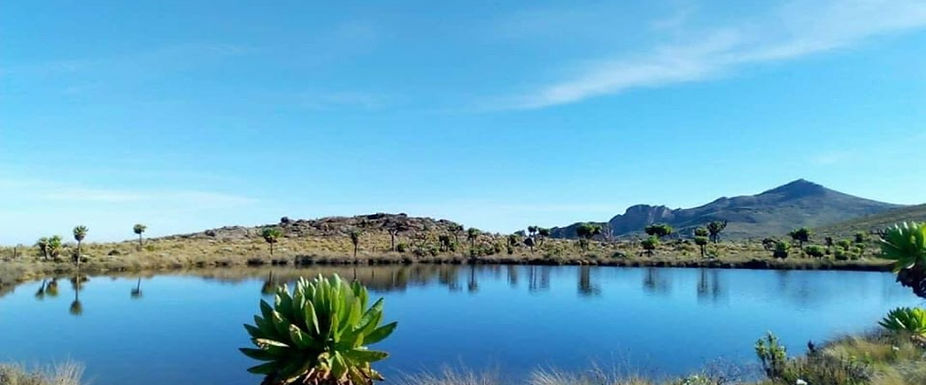
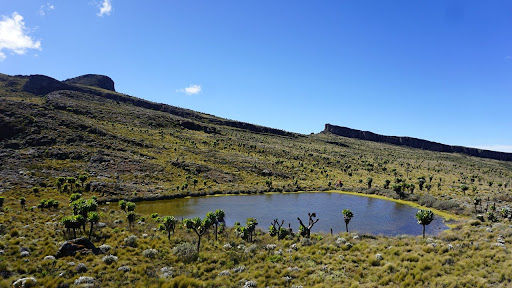
Mount Elgon's most spectacular feature is its massive caldera, measuring approximately 8 kilometers in diameter, making it the largest intact volcanic caldera in the world. The mountain's slopes feature distinct vegetation zones, from lush montane rainforest and bamboo forests at lower elevations to heath zones and Afro-alpine moorlands near the summit. The higher elevations are home to giant groundsels and giant lobelias, spectacular plants that create surreal landscapes.
Mount Elgon on the Uganda Side
The Ugandan side of Mount Elgon National Park is renowned for its challenging trekking routes, spectacular waterfalls, and rich biodiversity. The park's main attractions include the Sasa Trail, the shortest but steepest route to Wagagai Peak, the Sipi Trail which passes through the famous Sipi Falls, and the Piswa Trail which offers longer and less strenuous trekking through bamboo forests.
Wagagai Peak at 4,321 meters is the highest point on Mount Elgon and the eighth highest peak in Africa. The ascent rewards trekkers with breathtaking views of the caldera, crater lakes, and the surrounding plains stretching into Kenya.
Sipi Falls, located just outside the park boundary on the Ugandan side, is one of the region's most spectacular attractions. The falls consist of three cascades plunging over basalt cliffs, with the highest drop reaching 120 meters. Visitors can enjoy hiking, abseiling, rock climbing, and coffee tours at local plantations.
The Bagisu and Sabiny people inhabit the slopes of Mount Elgon on the Ugandan side, maintaining rich cultural traditions including the famous Imbalu circumcision ceremonies recognized by UNESCO. Cultural experiences include village visits, traditional dances, and learning about coffee farming.
Mount Elgon on the Kenya Side
The Kenyan side of Mount Elgon National Park offers a quieter and less crowded alternative to other East African mountain destinations. Managed by the Kenya Wildlife Service, this section of the park is accessed primarily through the Chorlim Gate near Kitale. The Kenyan side is known for its excellent hiking, cave exploration, and wildlife viewing opportunities.
Koitoboss Peak at 4,222 meters is the highest point on the Kenyan side and the second highest peak on Mount Elgon. The ascent offers panoramic views of the caldera and the surrounding landscapes. The Kenyan side provides a less strenuous approach to the summit compared to the Sasa Trail on the Ugandan side.
The Kenyan side is most famous for its spectacular caves, particularly Kitum Cave, known for the unique behavior of elephants that enter the cave to mine salt deposits. Other notable caves include Making'eny, Chepnyali, and Ngwarisha caves, which feature waterfalls and geological formations.
The Kenyan side supports over 300 bird species and diverse wildlife including elephants, buffalo, leopards, hyenas, and several primate species.
Transboundary Trekking Experiences
One of the most unique experiences Mount Elgon offers is the opportunity for cross-border trekking, where hikers can ascend on one side and descend on the other. This transboundary adventure allows trekkers to experience the best of both Uganda and Kenya while exploring the mountain's diverse landscapes.
The cross-border trek typically starts on the Ugandan side via the Sasa or Sipi Trail and concludes on the Kenyan side, descending through the Chorlim Gate near Kitale. This route passes through the caldera, the summit peaks, and spectacular moorland vegetation, offering unparalleled views of both countries.
Combining a Mount Elgon trek with other safari destinations is also possible. The mountain can be combined with Kidepo Valley National Park in Uganda or the western Kenya circuit including Kakamega Forest and Lake Victoria.
Wildlife and Biodiversity
Mount Elgon National Park protects exceptional biodiversity across its varied habitats. The park's mammal list includes 57 species on the Ugandan side and diverse wildlife on both sides.
Elephants are a major highlight, particularly for their unique behavior of entering Kitum Cave to mine salt deposits. Forest elephants, smaller and more elusive than savannah elephants, roam the park's lower slopes. Buffalo, bushbuck, duikers, giant forest hogs, and various antelope species are also present.
The park's primate population includes black-and-white colobus monkeys, blue monkeys, olive baboons, and vervet monkeys. The rare and elusive de Brazza's monkey has been reported on the Kenyan side.
Birdwatching is exceptional with over 300 bird species recorded across the park. Notable species include the endangered lammergeier (bearded vulture), Jackson's francolin, Hartlaub's turaco, Tacazze sunbird, and Ross's turaco. Mount Elgon is recognized as an Important Bird Area (IBA).
Culture and Communities
The Bagisu and Sabiny people inhabit the slopes of Mount Elgon on the Ugandan side, maintaining rich cultural traditions. The Bagisu consider Mount Elgon the manifestation of their founding father, Masaba, and call the mountain by this name. The Imbalu initiation ceremonies, recognized by UNESCO, represent one of the region's most significant cultural events.
On the Kenyan side, the Sabaot community maintains traditional livelihoods and welcomes visitors through cultural tourism initiatives. Visitors can learn about traditional crafts, agriculture, and daily life through village visits and homestays.
Coffee tours are particularly popular on the Ugandan side, where visitors can experience Arabica coffee production from bean to cup.
What Makes Mount Elgon Special
Mount Elgon National Park offers unique features that distinguish it from all other safari and trekking destinations in East Africa.
Largest Intact Volcanic Caldera in the World
Mount Elgon's caldera, measuring approximately 8 kilometers in diameter, is the largest intact volcanic caldera in the world. This massive crater, formed by the volcano's summit collapse, creates a unique landscape for trekkers to explore.
Transboundary Park Straddling Two Countries
Mount Elgon National Park is one of few protected areas split between two countries, with the Ugandan and Kenyan sections managed separately but offering similar attractions. Cross-border trekking allows visitors to experience both countries on one adventure.
Eighth Highest Mountain in Africa
Wagagai Peak at 4,321 meters is the eighth highest mountain in Africa and the highest volcanic mountain in East Africa. The accessible altitude makes it ideal for trekkers seeking a challenging but achievable high-altitude experience.
Spectacular Kitum Cave and Elephant Behavior
Kitum Cave on the Kenyan side is famous for the unique behavior of elephants that enter the cave to mine salt deposits. This extraordinary wildlife interaction is seen in only a few locations in Africa.
Sipi Falls
Sipi Falls on the Ugandan side is one of East Africa's most spectacular waterfall systems, with three cascades plunging over basalt cliffs. Activities include hiking, abseiling, rock climbing, and coffee tours.
Unique Afro-Alpine Vegetation
The mountain's Afro-alpine zone features giant groundsels and giant lobelias that can grow to heights of 5 meters or more, creating surreal landscapes.
UNESCO Biosphere Reserve
Mount Elgon is recognized as a UNESCO Biosphere Reserve, reflecting its global significance for biodiversity and conservation.
Seasonal Overview for Mount Elgon Trekking
Understanding Mount Elgon's climate patterns helps trekkers choose optimal timing for their mountain experience. The mountain experiences two distinct rainy seasons and two dry seasons, each offering different advantages for trekking and wildlife viewing.
Dry Season - June to September
Best Time for Trekking
The dry season from June to September offers the best conditions for trekking Mount Elgon. During these months, rainfall decreases significantly, and trails remain firm and dry. Clearer skies provide spectacular views of the caldera, crater lakes, and surrounding landscapes.
Pros of Dry Season Trekking
Better trail conditions with less mud and slippery sections. Clearer skies provide spectacular mountain views. Lower risk of trekking interruptions from rain. Better visibility for photography. Easier conditions for summit attempts. Calmer weather at higher altitudes.
Cons of Dry Season Trekking
Peak tourist season brings more trekkers to the park. Higher prices for accommodation and guides. Limited availability requiring early booking. More crowded on the trails and at huts.
Dry Season - December to February
The short dry season from December to February offers another excellent window for trekking. During this period, trails remain generally easy to navigate. The landscape is lush and green after the rains, with spectacular wildflowers in bloom on the mountain slopes.
Pros of Short Dry Season Trekking
Good trail conditions with generally dry trails. Lush landscapes with wildflowers in bloom. Pleasant daytime temperatures. Fewer crowds than the main dry season.
Cons of Short Dry Season Trekking
Occasional light showers may occur. Higher accommodation prices than wet season. Some peak season demand at popular lodges.
Rainy Seasons - March to May and October to November
Alternative Trekking Experience
The rainy seasons from March to May and October to November offer alternative trekking experiences with different advantages. While rainfall increases, the mountains transform into lush green environments with spectacular misty scenery. These periods provide unique photography opportunities and solitude on the trails.
Pros of Wet Season Trekking
Fewer trekkers, more exclusive mountain experience. Lower prices for accommodation and guides. Lush vegetation with spectacular green scenery. Dramatic misty landscapes for photography. Waterfalls at their fullest. More water available at campsites.
Cons of Wet Season Trekking
Muddy and slippery trails make trekking more challenging. Higher rainfall can interrupt trekking schedules. Reduced visibility for photography and views. More difficult camping conditions in wet weather. Colder conditions at altitude.
Best Months for Specific Activities
Activity | Best Season |
Summit Trekking (Uganda Side) | June-September, December-February |
Summit Trekking (Kenya Side) | June-September, December-February |
Sipi Falls Visit | Year-round, best in dry seasons |
Cave Exploration | June-September, December-February |
Birdwatching | Year-round, best in wet seasons |
Budget Travel | March-May, October-November |
Photography | June-September (clear days) or March-May (dramatic misty landscapes) |
Climate and Weather Details
Mount Elgon experiences significant weather variation due to its altitude and location. Temperatures vary dramatically with altitude, from 15-25°C at lower elevations to near freezing at the summit. The mountain receives significant rainfall throughout the year, with annual precipitation exceeding 1,500-2,000 millimeters in some areas.
The mountain is often shrouded in mist and drizzle, particularly at higher elevations. Trekkers should be prepared for variable weather conditions, including cold temperatures, rain, and fog at all times of year.
Logistics & Tips
Permits and Fees
Uganda Side
Mount Elgon National Park (Uganda) charges entry fees for all visitors. Current fees for foreign non-residents are $35 per adult and $20 per child for a 24-hour entry permit. East African residents pay lower rates, and Ugandan citizens benefit from discounted fees.
Trekking in Mount Elgon requires additional fees, including guide and porter services through the Uganda Wildlife Authority. Hiring licensed guides and porters costs approximately $20-50 per day depending on the route and group size.
Kenya Side
Mount Elgon National Park (Kenya) entry fees for non-residents are $26 per adult and $17 per child. East African residents and Kenyan citizens pay reduced rates.
Guide and porter services on the Kenyan side are organized through the Kenya Wildlife Service headquarters or the Mount Elgon Guides & Porters Association. Guide services cost approximately KSh 3,500 per day and porter services approximately KSh 1,200 per day.
Transportation to Mount Elgon
Uganda Side Access
Road journeys from Kampala to Mount Elgon National Park (Uganda) cover approximately 250 kilometers, taking 5-6 hours via the Kampala-Mbale Road. The route passes through Jinja and Mbale. The park headquarters and trailheads are accessible from the main highway. A 4x4 vehicle is recommended for park access roads.
The starting point for the Sasa Trail is at Budadiri, while the Sipi Trail begins at the Kapkwai Forest Exploration Centre near Sipi Falls. The Piswa Trail starts at Kapkwata village.
Kenya Side Access
The Kenyan side of Mount Elgon is accessible by road from Kitale town, with routes from Eldoret also available. The Chorlim Gate serves as the main entrance and park headquarters. The park is approximately 30 kilometers from Kitale.
Domestic flights are available to Eldoret International Airport (70 kilometers from the park) or Kitale Airstrip (30 kilometers from the park). From the airstrips, road transfers to the park take approximately 1-2 hours.
Transboundary Access
The Suam border crossing connects the Ugandan and Kenyan sides of Mount Elgon. This allows cross-border trekking and multi-destination itineraries.
Accommodation Guide
Uganda Side
Luxury Lodges ($200-400+ per night)
Mount Elgon Hotel and Spa: Luxury hotel in Mbale town with modern amenities and spa facilities. Sipi River Lodge: Boutique lodge near Sipi Falls with spectacular views.
Mid-Range Lodges ($100-200 per night)
Sipi Falls Guesthouse: Comfortable accommodation with falls views. Rafiki Lodge: Mid-range lodge near Sipi Falls with good facilities.
Budget Options ($30-100 per night)
Kapkwai Cottages: Eco-lodge at the park entrance with basic facilities. Community campsites near Sipi Falls: Affordable options supporting local communities.
Mountain Huts
Trekkers on the Sasa, Sipi, and Piswa Trails stay in basic mountain huts or camping sites provided by the Uganda Wildlife Authority. These huts provide basic shelter and sleeping facilities.
Kenya Side
Mid-Range Lodges ($100-200+ per night)
Mount Elgon Lodge: Lodge located near the Chorlim Gate with good facilities. Sirwo Cranes Haven: Lodge in the foothills of Mount Elgon near Kitale.
Budget Options ($30-100 per night)
Mount Elgon Bandas: Basic but comfortable park accommodation. Campsites: Designated campsites available for overnight stays.
Trekking Preparation and Essential Information
Fitness Requirements
Trekking on Mount Elgon requires good physical fitness. The Sasa Trail involves steep ascents with significant elevation gain. The Sipi and Piswa Trails are longer but less strenuous. All treks require hiking over multiple days at altitudes exceeding 4,000 meters.
Acclimatization
Altitude is a significant factor in Mount Elgon trekking. Trekkers should allow adequate time for acclimatization, particularly for summit attempts. The recommended itineraries incorporate acclimatization days to reduce the risk of altitude sickness.
Packing Essentials
Warm, waterproof clothing including jackets, pants, and gloves for cold mountain conditions. Hiking boots with good tread and ankle support. Sleeping bag suitable for cold temperatures (for mountain huts). Headlamp or flashlight with extra batteries. Sunscreen and sunglasses for high-altitude sun exposure. Personal medications and first-aid kit. Water purification tablets or filter. Trekking poles for stability on steep sections.
Guides and Porters
Hiring guides is strongly recommended for safety and navigation on both sides of the mountain. On the Ugandan side, guides are mandatory for all treks. On the Kenyan side, visitors can walk unescorted but must sign a waiver, and a guide is still highly recommended.
Porters are available to carry luggage and supplies, significantly reducing the physical burden of trekking.



FAQ - Mount Elgon National Park (Uganda & Kenya)
Where is Mount Elgon National Park located? Mount Elgon National Park is located on the border between Uganda and Kenya, approximately 250 kilometers from Kampala and 30 kilometers from Kitale.
What is the highest peak on Mount Elgon? Wagagai Peak at 4,321 meters on the Ugandan side is the highest peak. Koitobos Peak at 4,222 meters is the highest on the Kenyan side.
What is special about Mount Elgon's caldera? Mount Elgon's caldera is the largest intact volcanic caldera in the world, measuring approximately 8 kilometers in diameter.
How long does the Mount Elgon trek take? Trekking takes 3-7 days depending on the route. The Sasa Trail (Uganda) takes 4-5 days, the Sipi Trail 5-6 days, and the Piswa Trail 6-7 days. The Chorlim Gate route (Kenya) takes 3-5 days.
Q5: What is the best time to trek Mount Elgon? The dry seasons from June-September and December-February offer the best trekking conditions. The wet seasons offer lush scenery and lower prices.
What is Kitum Cave famous for? Kitum Cave on the Kenyan side is famous for the unique behavior of elephants that enter the cave to mine salt deposits from the mineral-rich walls.
What is Sipi Falls? Sipi Falls is a spectacular series of three waterfalls on the Ugandan side of Mount Elgon, plunging over basalt cliffs with the highest drop reaching 120 meters.
Do I need technical climbing skills for Mount Elgon? No, Mount Elgon trekking requires good fitness but no technical climbing skills. The trails are well-maintained and accessible to fit hikers.
What accommodation is available on Mount Elgon? Uganda offers lodges near Sipi Falls, mountain huts on the trek, and campsites. Kenya offers lodges near Kitale, bandas at the park, and campsites.
What should I pack for Mount Elgon trekking? Pack warm and waterproof clothing, hiking boots, sleeping bag, headlamp, sunscreen, sunglasses, personal medications, and water purification supplies.
Book Your Mount Elgon Trek Today - Experience East Africa's Volcanic Wonder!
Ready for Your Mount Elgon Adventure?
Mount Elgon National Park offers spectacular mountain trekking and unique natural wonders across Uganda and Kenya. Explore the world's largest caldera. Witness unique Afro-alpine vegetation. Visit Kitum Cave's salt-mining elephants. Trek to Wagagai or Koitoboss Peak. Book your adventure today.
Book Your Mount Elgon Trek Today
Guides and permits require advance booking, especially during peak seasons. Secure your Mount Elgon trekking package now for this unforgettable experience.
Contact Us Directly
WhatsApp: +255746328326
Email: info@edelsafari.com