
Queen Elizabeth National Park
Uganda
Queen Elizabeth National Park - Uganda's Most Diverse Safari Destination
Queen Elizabeth National Park stands as Uganda's most popular and biologically diverse safari destination. Located in the western region of Uganda along the floor of the East African Rift Valley, this remarkable park spans 1,978 square kilometers of varied landscapes that include savannah plains, tropical forests, wetlands, and the famous Kazinga Channel. Established in 1952 as Kazinga National Park and renamed to honor Queen Elizabeth II's visit in 1954, the park has evolved into a premier wildlife sanctuary that attracts thousands of visitors annually from across the globe.
The park's extraordinary diversity stems from its unique geographical position within the Albertine Rift Valley, where the collision of ecological zones creates habitats that support an incredible variety of wildlife. The 32-kilometer Kazinga Channel connects Lake George and Lake Edward, creating an ecosystem that supports one of Africa's highest concentrations of hippos and diverse wildlife populations. Queen Elizabeth National Park Uganda consistently ranks among the top safari destinations in East Africa, offering experiences that rival more famous parks in Kenya and Tanzania while providing unique attractions found nowhere else on the continent.
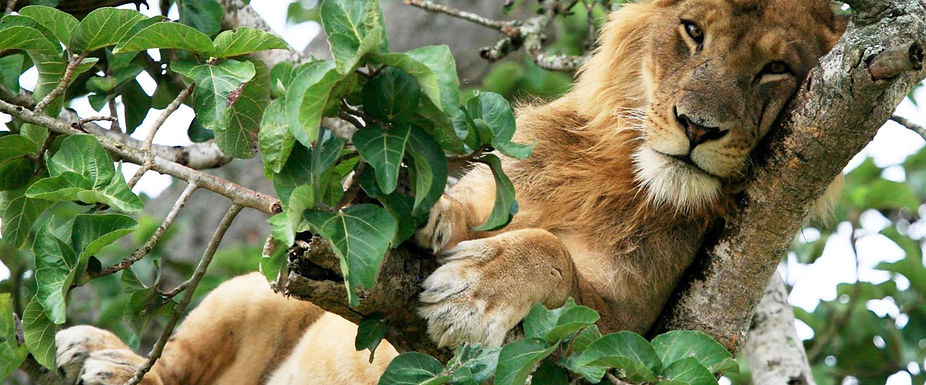
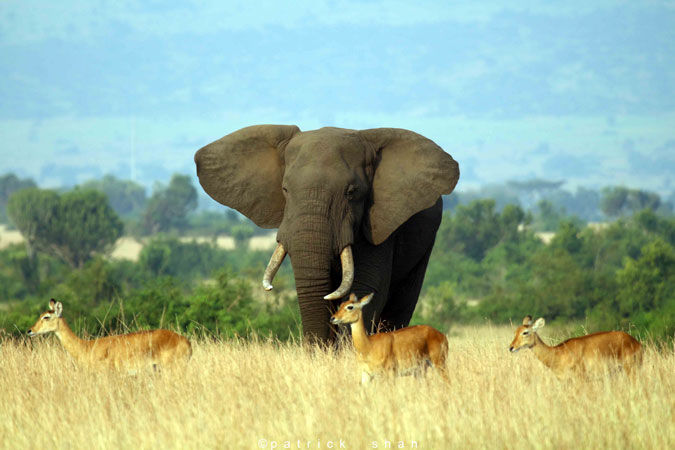
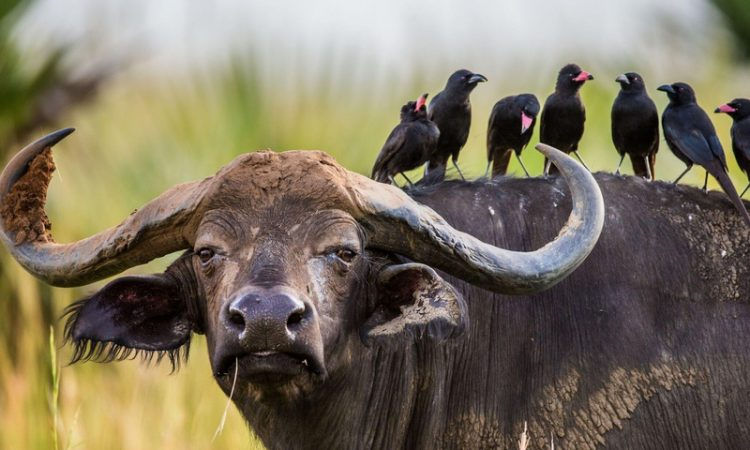
Queen Elizabeth National Park is divided into several distinct sectors, each offering unique wildlife viewing experiences. The Kasenyi Plains, located in the northern section, provide prime game viewing with open savannah where elephants, buffalo, and lions thrive. The Ishasha sector in the south is legendary for its tree-climbing lions, a rare behavior that attracts photographers and wildlife enthusiasts from around the world. The Kazinga Channel area offers spectacular boat cruises where visitors can observe hippos, crocodiles, and aquatic birds. The Kyambura Gorge, also known as the "Valley of Apes," provides chimpanzee trekking experiences in a dramatically different forest environment.
Understanding the park's sector divisions helps travelers plan their Queen Elizabeth safari effectively. Many visitors spend at least three to four days exploring different areas of the park to experience its full diversity. This variety sets Queen Elizabeth apart from many other African safari destinations, where landscapes and wildlife viewing opportunities remain more consistent throughout the park.
What Makes Queen Elizabeth National Park Special
Queen Elizabeth National Park offers several unique features that distinguish it from all other safari destinations in Africa. These distinctive characteristics make this park a must-visit for anyone seeking an authentic, diverse African safari experience.
Tree-Climbing Lions of Ishasha
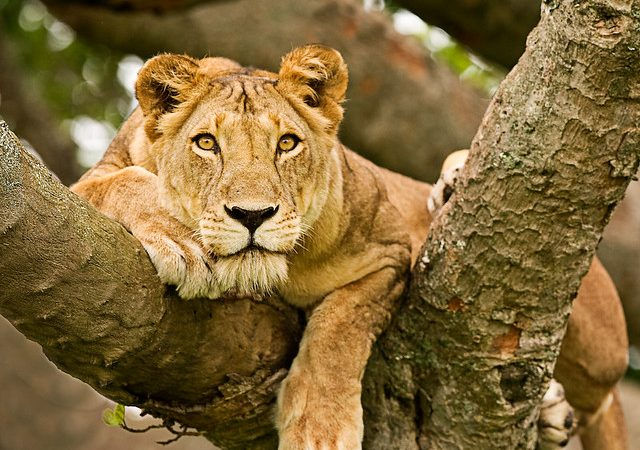
The tree-climbing lions of Ishasha represent the park's most famous unique feature and a major draw for visitors. This rare behavior occurs in only two locations in Africa, making the Ishasha sighting especially valuable for wildlife enthusiasts. The lions have adapted this unusual habit, likely as a strategy for avoiding heat and biting insects while gaining vantage points to view prey across the open savannah.
Visitors to Ishasha regularly observe entire lion prides lounging on the branches of massive fig trees, their golden coats contrasting against the green leaves. This behavior appears most common during the dry season when temperatures rise. Expert guides in the sector know the territories of specific prides, increasing sighting success rates for visitors.
Kazinga Channel with Highest Hippo Concentration
The Kazinga Channel hosts the largest concentration of hippos in Africa, with estimates reaching 3,000 individuals. This remarkable concentration creates spectacular viewing opportunities during the iconic boat cruise. The hippo pods accumulate along the channel's banks, often visible from close range as they emerge from the water to graze at dusk.
The channel's ecosystem also supports an exceptional diversity of other wildlife, with elephants, buffalo, and crocodiles frequenting its shores. This concentration of species makes the Kazinga Channel one of Africa's most productive wildlife viewing sites, accessible even to visitors with limited safari experience.
Multiple Diverse Ecosystems in One Park
Queen Elizabeth National Park encompasses savannah plains, tropical forest, wetlands, and water channels within its boundaries. This diversity allows visitors to experience multiple safari environments without traveling long distances between parks. Game drives on the Kasenyi Plains offer classic savannah wildlife viewing, while the Kazinga Channel provides water-based experiences and Kyambura Gorge offers forest primate encounters.
The juxtaposition of these habitats creates exceptional ecological diversity that supports the park's remarkable wildlife populations. Visitors can experience four distinct ecosystems in a single safari, maximizing wildlife viewing and variety within their itinerary.
Unique Chimpanzee Trekking in Kyambura Gorge
Kyambura Gorge offers a unique chimpanzee trekking experience within the savannah environment, contrasting with forest-based chimp tracking elsewhere. The gorge's steep slopes and underground forest create a dramatic setting for observing chimpanzees and other primates. This experience provides a different perspective on primate conservation and behavior compared to the more famous gorilla trekking in Bwindi.
The gorge supports a resident chimpanzee community habituated for tourism, offering reliable sightings for visitors. Trekking through the gorge's challenging terrain requires moderate fitness, but rewards trekkers with spectacular views and intimate wildlife encounters.
Exceptional Birdwatching Diversity
With over 600 bird species recorded, Queen Elizabeth National Park offers exceptional birdwatching opportunities that rank among Africa's best. The park's diverse habitats support resident and migratory species throughout the year. The Kazinga Channel area provides particularly productive birding, with waterbirds and raptors in abundance.
The park's bird diversity attracts dedicated birdwatchers and enhances the safari experience for general visitors. Many species, including rare Albertine Rift endemics, can be observed within the park's boundaries, creating opportunities for special sightings.
Volcanic Scenery and Crater Lakes
Queen Elizabeth National Park contains numerous crater lakes formed by ancient volcanic activity, creating dramatic scenery that enhances the safari experience. These lakes support additional wildlife populations and offer unique photographic opportunities. The scenic views from various points within the park provide stunning backdrops for wildlife photography.
The volcanic landscape contrasts with the savannah and channel areas, adding visual variety to the safari experience. Visitors can explore crater lakes through game drives and nature walks, discovering another dimension of the park's natural heritage.
Community-Based Tourism Initiatives
Queen Elizabeth National Park engages surrounding communities through revenue-sharing programs and community-based tourism initiatives. Visitors can participate in cultural experiences, village visits, and community projects that provide income for local populations while enhancing their safari experience.
These initiatives create sustainable tourism models that benefit both visitors and communities. Supporting community-based tourism contributes to conservation by providing economic incentives for protecting wildlife and habitats.
Seasonal Overview for Queen Elizabeth Safari
Understanding Queen Elizabeth National Park's climate patterns helps travelers choose optimal timing for their safari experience. The park experiences two distinct rainy seasons and two dry seasons, each offering different advantages for wildlife viewing, photography, and overall experience. Wildlife viewing remains excellent year-round, though conditions vary significantly between seasons.
Dry Season - June to August and December to February
Best Time for Wildlife Viewing
The dry seasons from June to August and December to February represent the best time for wildlife viewing in Queen Elizabeth National Park. During these months, rainfall decreases significantly, and animals concentrate around permanent water sources like the Kazinga Channel and crater lakes. This concentration makes wildlife easier to spot during game drives and boat cruises.
The reduced vegetation improves visibility across the savannah, making it easier to spot game. Animals gather in large numbers at remaining water sources, creating spectacular wildlife scenes. The Kazinga Channel boat cruise provides particularly outstanding viewing during dry periods, with hippos and other wildlife clearly visible.
Pros of Dry Season Safari (June-August, December-February)
Excellent wildlife viewing with animals concentrated at water sources. Reduced vegetation improves visibility across the plains. Clearer skies and stable weather create ideal photography conditions. Lower risk of rain disrupting game drives and outdoor activities. Cooler nights and comfortable daytime temperatures enhance the safari experience. Kazinga Channel boat cruises offer exceptional wildlife viewing with dense animal concentrations.
Cons of Dry Season Safari (June-August, December-February)
Peak tourist season brings larger crowds to the park, reducing the exclusivity of the experience. Higher prices for accommodation and safari packages due to increased demand. Limited availability at popular lodges requiring early booking. Competitive conditions for guided activities, with advance reservations essential.
Wet Season - March to May and September to November
Alternative Safari Experience
The wet seasons from March to May and September to November offer alternative safari experiences with different advantages. While rainfall increases, the landscape transforms into lush green environments with abundant flowers and migratory birds. These periods provide excellent value for budget-conscious travelers and photographers seeking dramatic scenery.
Pros of Wet Season Safari (March-May, September-November)
Fewer tourists mean more exclusive game viewing experiences. Lower prices for accommodation and safari packages. Lush green landscapes with vibrant colors for photography. Excellent birdwatching with migratory species and breeding plumage. Dramatic skies and landscapes for photography. Calmer atmosphere with less competition for prime viewing positions.
Cons of Wet Season Safari (March-May, September-November)
Road conditions may become challenging, especially on unpaved tracks. Higher grass reduces visibility for spotting game. Rain can interrupt game drives and outdoor activities. Kazinga Channel water levels rise, spreading wildlife beyond the immediate banks. Mosquito activity increases with standing water.
Best Months for Specific Activities
Game Viewing: June-August and December-FebruaryKazinga Channel Cruise: June-August and December-FebruaryChimpanzee Trekking: Year-round, dry seasons easierBirdwatching: March-April and September-NovemberBudget Safari: March-May and September-NovemberPhotography: June-August (clear days) or March-May (dramatic landscapes)
Climate and Weather Details
Queen Elizabeth National Park experiences a tropical climate with temperatures averaging 20-25°C during the day and dropping to 15-20°C at night. The park's altitude ranges from 900 to 1,200 meters, moderating temperatures and making conditions comfortable for safari activities.
Annual rainfall averages 1,000-1,200 millimeters, with most precipitation occurring during the rainy seasons. The Kazinga Channel area receives slightly less rainfall than forested areas, creating better conditions for wildlife viewing near water sources.
Expert Tips for Seasonal Planning
Peak Season Strategies
Book accommodation and safari packages 6-12 months ahead for dry season travel. Consider combining Queen Elizabeth with other parks to create comprehensive itineraries. Choose lodges near key wildlife areas like the Kazinga Channel to maximize viewing opportunities. Work with experienced tour operators who secure early bookings at popular accommodations.
Wet Season Strategies
Pack quality waterproof gear including jackets and covers for cameras. Allow flexibility in daily plans to accommodate rain interruptions. Consider additional indoor activities like cultural visits during rain periods. Choose accommodations with good indoor facilities for rainy afternoons.
Year-Round Recommendations
Book at least 3-4 nights in Queen Elizabeth to experience all sectors and activities. Allow time for both Kazinga Channel cruise and game drives in different sectors. Consider combining with nearby parks like Bwindi or Kibale for diverse experiences.
Logistics & Tips
Park Fees and Permits
Queen Elizabeth National Park Entry Fees
Queen Elizabeth National Park requires entry fees for all visitors, payable at the park gates or during booking. Current fees for foreign non-residents are $40 per adult and $20 per child for a 24-hour entry permit. East African residents pay lower rates, and Ugandan citizens benefit from discounted fees. Fees cover park access and basic services but do not include activities like boat cruises or chimpanzee trekking.
These entry fees contribute to park management, conservation efforts, and community development programs. Paying fees directly supports wildlife protection and habitat preservation for future generations.
Chimpanzee Trekking Permits
Chimpanzee trekking in Kyambura Gorge requires separate permits available through the Uganda Wildlife Authority. Current permit costs for foreign non-residents are $50 per person for one hour with the chimpanzees. The permits grant access to specific trekking times, with a limited number of permits available daily.
Booking chimpanzee permits in advance is recommended, especially during peak seasons. Tour operators can secure permits as part of comprehensive safari packages.
Kazinga Channel Boat Cruise Fees
The Kazinga Channel boat cruise charges separate fees payable at the launch site. Current rates for foreign non-residents are $30 per adult and $15 per child for the 2-hour cruise. This fee includes the boat, captain, guide, and safety equipment.
Booking the boat cruise in advance is recommended during peak seasons to secure preferred times. Morning and afternoon cruises offer different lighting and wildlife viewing conditions.
Transportation to Queen Elizabeth
Road Travel from Kampala/Entebbe
Road journeys from Kampala to Queen Elizabeth National Park cover approximately 380 kilometers, taking 6-8 hours depending on road conditions and stops. The route passes through Masaka and Mbarara, traversing scenic landscapes and numerous towns. The journey offers opportunities to see rural Uganda and various attractions along the way.
4x4 vehicles are essential for navigating the park's rough roads and any off-road sections during game drives. Experienced drivers familiar with the route and park roads ensure safe and efficient transfers. Many travelers combine the road journey with stops at the Equator crossing for photographs and cultural experiences.
Road Travel from Bwindi or Other Parks
Queen Elizabeth National Park connects to other Ugandan safari destinations, enabling multi-park itineraries. The drive from Bwindi Impenetrable National Park to Queen Elizabeth takes approximately 4-5 hours, covering 200 kilometers through scenic southwestern Uganda. This connection allows travelers to combine gorilla trekking with savannah safaris for comprehensive experiences.
Road transfers between parks require 4x4 vehicles and experienced drivers familiar with varying road conditions. Many tour operators offer multi-park packages with seamless transfers between destinations.
Air Travel Options
Domestic flights from Entebbe to Queen Elizabeth's Mweya or Kasese airstrips take approximately 1.5 hours, significantly reducing travel time. Charter flights operate daily with Aerolink Uganda and other providers, connecting Entebbe to the park. Airstrip transfers then deliver travelers to their lodges within 30-60 minutes depending on location.
Air travel offers convenience and time-saving for visitors with limited schedules. The scenic approach provides aerial views of the park and surrounding landscapes, previewing the safari experience.
Accommodation Guide
Luxury Lodges ($500-1,500+ per night)
Mweya Safari Lodge: Iconic lodge overlooking the Kazinga Channel with exceptional views. Ishasha Wilderness Camp: Exclusive camp in the Ishasha sector near tree-climbing lions. Elephant Plains Lodge: Luxury tented camp with panoramic savannah views. Jacana Safari Lodge: Boutique lodge near the channel with personalized service.
Mid-Range Lodges ($200-500 per night)
Queen Elizabeth Bush Lodge: Comfortable tents near the park entrance. Katara Lodge: Mid-range lodge with crater lake views. Engiri Lodge and Campsite: Affordable comfort with good facilities. Tembo Safari Lodge: Value lodge with game viewing opportunities.
Budget Options ($50-200 per night)
Simba Safari Camp: Basic but comfortable accommodation. Mweya Hostel: Budget rooms near the main lodge. Parkview Cottages: Simple accommodation with park views. Community campsites: Affordable options supporting local communities.
Choosing Your Accommodation Sector
Accommodation should align with your planned activities to minimize travel time. Kazinga Channel area provides central access to game drives and boat cruises. Ishasha sector offers proximity to tree-climbing lion areas. Mweya provides convenient access to channel activities and game drives.
Packing Essentials
Clothing Recommendations
Neutral-colored clothing (khaki, olive, brown) for blending with the environment. Long pants and long-sleeved shirts for sun and insect protection. Waterproof jacket for unexpected rain during wet seasons. Warm fleece or sweater for cool mornings on game drives. Hat and sunglasses for sun protection. Comfortable walking shoes for lodge activities and nature walks.
Equipment and Accessories
Binoculars with 8x42 magnification for wildlife viewing. Camera with zoom lens (at least 200mm recommended). Extra camera batteries and memory cards. Headlamp or flashlight for early mornings and evening activities. Sunscreen with high SPF. Insect repellent with DEET.
Medical and Health Items
Malaria medication as prescribed by your doctor. Personal medications and prescriptions. First-aid kit with basic supplies. Motion sickness tablets for road travel and boat cruises. Water purification tablets or filtered water bottle.
Tour Operators and Safari Planning
Using Tour Operators
Licensed tour operators simplify Queen Elizabeth safari planning by managing permits, accommodations, transportation, and logistics. Experienced operators create customized itineraries matching budgets and interests. Research operators thoroughly, checking reviews and certifications for reliability.
Self-Planning Approach
Independent travelers can plan Queen Elizabeth safaris by booking accommodation, activities, and transport separately. This approach saves money but requires significant time and organization. Self-planners must manage logistics and booking confirmations independently.
Recommended Tour Operators
Wild Frontiers: Experienced operator with diverse packages. Volcanoes Safaris: Luxury specialist with Queen Elizabeth lodges. Uganda Wildlife Authority: Direct booking for activities and permits. Local operators: Community-based options supporting conservation.

Frequently Asked Questions About Queen Elizabeth National Park
Where is Queen Elizabeth National Park located?
Queen Elizabeth National Park is located in western Uganda, approximately 380 kilometers from Kampala. The park stretches across the districts of Kasese, Kamwenge, Bushenyi, and Rukungiri, bordering the Democratic Republic of Congo to the west. The park lies within the Albertine Rift Valley, encompassing the Kazinga Channel, Lakes George and Edward, and the Ishasha River sector.
What is Queen Elizabeth National Park famous for?
Queen Elizabeth National Park is famous for four main attractions. First, the tree-climbing lions in the Ishasha sector, one of only two places in Africa where lions regularly climb trees. Second, the Kazinga Channel boat cruise, which offers the highest concentration of hippos in Africa with over 3,000 individuals. Third, chimpanzee trekking in Kyambura Gorge, also known as the "Valley of Apes." Fourth, exceptional birdwatching with over 600 recorded bird species. Queen Elizabeth is Uganda's most visited national park for good reason.
How much does it cost to enter Queen Elizabeth National Park?
Entry fees for Queen Elizabeth National Park are $40 per adult and $20 per child (under 15) for foreign non-residents for a 24-hour permit. East African residents pay approximately $15-20, while Ugandan citizens pay around 10,000 UGX. These fees cover park access for 24 hours and contribute to conservation and community development programs. Activities like boat cruises and chimpanzee trekking incur additional charges.
How much does the Kazinga Channel boat cruise cost?
The Kazinga Channel boat cruise costs $30 per adult and $15 per child for foreign non-residents. This 2-hour cruise includes the boat, captain, guide, safety equipment, and life jackets. Bookings can be made at the Mweya jetty or through tour operators. Morning cruises (8 AM) and afternoon cruises (2 PM and 4 PM) offer different lighting and wildlife viewing conditions. Advance booking is recommended during peak seasons.
How much does chimpanzee trekking in Kyambura Gorge cost?
Chimpanzee trekking permits for Kyambura Gorge cost $50 per person for foreign non-residents. This fee provides one hour with the chimpanzees plus a guided walk through the gorge with experienced rangers. Only a limited number of permits are issued daily, so advance booking is essential. The trekking experience includes a briefing, walk through the 100-meter-deep gorge, and chimpanzee viewing in their natural habitat. Children under 12 years cannot participate in chimpanzee trekking.
Ready for Your Queen Elizabeth Safari?
Queen Elizabeth National Park offers the most diverse safari experience in Uganda. Track tree-climbing lions in Ishasha. Cruise the Kazinga Channel with thousands of hippos. Trek chimpanzees in Kyambura Gorge. Wildlife awaits in this spectacular park.
Book Your Queen Elizabeth Safari Today
Popular activities require advance booking, especially during peak seasons. Secure your Queen Elizabeth safari package now for this unforgettable Uganda experience.
Contact Us for Custom Safari Packages
📞 WhatsApp: +255 746 328 326
📧 Email: info@edelsafaris.com