
Rwenzori Mountains National Park
Uganda
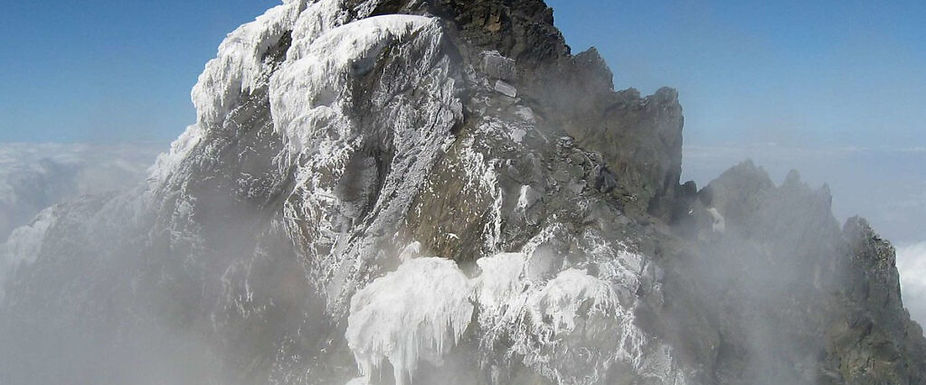
Rwenzori Mountains National Park - Uganda's Mountains of the Moon
Rwenzori Mountains National Park stands as one of Uganda's most extraordinary and challenging wilderness destinations. Located in western Uganda along the border with the Democratic Republic of Congo, this UNESCO World Heritage Site protects the Rwenzori Mountains, also known as the "Mountains of the Moon." This ancient mountain range, rising to 5,109 meters at Margherita Peak, offers some of Africa's most spectacular and demanding trekking experiences.
Rwenzori Mountains National Park Uganda is named after the Rwenzori Mountains, which were famously described by the ancient Greek geographer Ptolemy as the "Mountains of the Moon" in AD 150. These mountains, formed over three million years ago, represent one of Africa's oldest and most geologically significant mountain ranges. Unlike the volcanic mountains elsewhere in East Africa, the Rwenzoris are block-faulted mountains, creating unique geological features and dramatic landscapes.
The park's significance extends beyond its geological importance. The Rwenzori Mountains support exceptional biodiversity, including numerous endemic species found nowhere else on Earth. The mountains' altitudinal zones, ranging from tropical rainforest to glacial peaks, create habitats for diverse flora and fauna. The park protects 70 mammal species, 217 bird species, and hundreds of plant species, including giant lobelias, giant groundsels, and other Afro-alpine vegetation.
The Rwenzori Mountains are famous for their spectacular scenery, with glacial peaks, deep valleys, lakes, and waterfalls. The mountains' proximity to the equator, combined with their high altitude, creates unique ecosystems where tropical and alpine species coexist. The misty, moss-draped forests, bamboo zones, and high-altitude heather create landscapes that appear almost otherworldly.
The park's trekking experiences range from challenging multi-day expeditions to Margherita Peak to shorter hikes through the forest and bamboo zones. The Central Circuit, a 6-8 day trek that circles the mountains, represents one of Africa's premier mountain treks. The trail passes through diverse vegetation zones, offering spectacular views of glacial peaks, lakes, and valleys.
Trekking in Rwenzori Mountains
Trekking in the Rwenzori Mountains represents one of Africa's most challenging and rewarding mountain experiences. The park offers several trekking routes, ranging from the 6-8 day Central Circuit to shorter hikes for visitors with limited time. All treks require good physical fitness, proper equipment, and experienced guides.
The Central Circuit, the park's most popular trek, circles the Rwenzori Mountains through various vegetation zones. The trek begins at the park's Mihunga or Ibanda trailheads, ascending through tropical rainforest, bamboo forest, and heather zones to the Afro-alpine region. The route passes through spectacular valleys, past glacial lakes, and offers views of the peaks.
The trekking experience challenges even experienced hikers. The trails are often muddy and steep, requiring careful footing and good fitness. The altitude, reaching over 4,000 meters, affects many trekkers, requiring proper acclimatization and pacing. The dramatic weather conditions, with mist, rain, and cold temperatures, add to the challenge.
The rewards of Rwenzori trekking are extraordinary. The spectacular scenery, with glacial peaks reflected in mountain lakes, creates unforgettable views. The unique Afro-alpine vegetation, with giant lobelias and groundsels, provides unparalleled photography opportunities. The sense of achievement upon reaching high passes or summiting peaks makes the effort worthwhile.

Rwenzori Trekking Routes
Central Circuit (6-8 Days)
The Central Circuit represents the park's premier trekking experience, circling the Rwenzori Mountains through the most spectacular scenery. The trek starts at the Ibanda trailhead, ascending through forest and bamboo zones to the Afro-alpine region. The circuit includes visits to several glacial lakes, passes, and high-altitude valleys.
Key highlights include Lake Kitandara, a spectacular mountain lake surrounded by peaks, and the Scott Elliott Pass, which offers panoramic views of the mountains. The trek's highest point reaches approximately 4,300 meters, providing stunning views of Margherita Peak. The circuit requires 6-8 days depending on pace and weather conditions.
Margherita Peak Summit Trek (7-8 Days)
The Margherita Peak Summit Trek is the park's most challenging expedition, offering the opportunity to reach the highest point in Uganda at 5,109 meters. This trek requires technical climbing skills and excellent fitness. The summit attempt requires crampons, ice axes, and ropes, with experienced mountain guides leading the expedition.
The trek includes the Central Circuit route plus the ascent to Margherita Peak. The summit attempt typically takes place on the seventh day, with trekkers ascending through the night to reach the summit by dawn. The views from the top, across Uganda and the DRC, are breathtaking. This trek is recommended for experienced mountaineers with altitude experience.
Short Treks (2-4 Days)
For visitors with limited time or less experience, the park offers shorter treks through the forest and bamboo zones. The Lake Mahoma and Buraro-Chimwani trails provide 2-3 day experiences with spectacular scenery and unique vegetation. These shorter treks offer excellent photography opportunities while preparing visitors for longer expeditions.
Wildlife and Vegetation
The Rwenzori Mountains National Park protects exceptional biodiversity across its altitudinal zones. The park's 70 mammal species include forest elephants, chimpanzees, blue monkeys, black-and-white colobus monkeys, and several antelope species. The more elusive species, including the Rwenzori duiker and giant forest hog, inhabit the lower slopes.
Birdwatchers find exceptional opportunities in the park, with 217 bird species recorded. The park supports several Albertine Rift endemics, including the Rwenzori turaco, Rwenzori batis, and the handsome francolin. The higher altitudes support specialized high-altitude species adapted to the cold, harsh conditions.
The park's vegetation is perhaps its most remarkable feature. The altitudinal zones transition from tropical rainforest (1,500-2,000m) through bamboo and heather zones (2,000-3,000m) to the Afro-alpine zone (3,000-4,500m). The Afro-alpine zone features the famous giant lobelias and giant groundsels, which can grow to heights of 5 meters or more. These surreal plants, adapted to the extreme conditions, create landscapes that appear almost prehistoric.
Cultural Heritage
The local communities surrounding the Rwenzori Mountains maintain cultural traditions connected to the mountains. The Bakonjo and Bamba people have inhabited these slopes for centuries, developing sustainable practices that allowed coexistence with the forest. Their traditional knowledge of the mountains, including plant uses and mountain navigation, represents valuable cultural heritage.
Visitors can engage with local communities through cultural visits and village walks. These experiences provide insights into traditional agriculture, crafts, and daily life. Supporting community tourism contributes to conservation by providing alternative livelihoods for local residents.
What Makes Rwenzori Mountains Special
The Rwenzori Mountains National Park offers unique features that distinguish it from all other safari destinations in Uganda and Africa. These distinctive characteristics make the park a must-visit for adventure travelers and nature enthusiasts.
Mountains of the Moon
The Rwenzori Mountains, famously described by Ptolemy as the "Mountains of the Moon" in AD 150, represent one of Africa's most ancient and dramatic mountain ranges. The mountains' glacial peaks, rising above the equatorial forests, create a landscape of breathtaking beauty.
Third Highest Peak in Africa
Margherita Peak at 5,109 meters is the third highest peak in Africa, after Mount Kilimanjaro (5,895m) and Mount Kenya (5,199m). The peak offers one of Africa's most challenging and rewarding mountaineering experiences.
UNESCO World Heritage Site
The Rwenzori Mountains National Park is a UNESCO World Heritage Site, recognized for its exceptional biodiversity and geological significance. The park protects unique ecosystems and endemic species found nowhere else on Earth.
Unique Afro-Alpine Vegetation
The park's Afro-alpine zone features giant lobelias and giant groundsels that can grow to heights of 5 meters or more. These spectacular plants, adapted to the extreme conditions, create landscapes that appear almost prehistoric.
Glacial Peaks on the Equator
The Rwenzori Mountains support tropical glaciers, a rare phenomenon given their equatorial location. The glaciers are rapidly retreating due to climate change, making a visit to witness them increasingly urgent.
Exceptional Biodiversity
The park's altitudinal zones, ranging from tropical rainforest to glacial peaks, support exceptional biodiversity with 70 mammal species, 217 bird species, and hundreds of plant species.
Challenging Mountain Treks
The Rwenzori Mountains offer some of Africa's most challenging mountain treks, including the Central Circuit and Margherita Peak ascent. These treks provide rewarding experiences for adventure travelers.
Seasons at Ruwenzori National Park
Understanding the Rwenzori Mountains' climate patterns helps trekkers choose optimal timing for their mountain experience. The park experiences two distinct rainy seasons and two dry seasons, each offering different advantages for trekking and mountain activities.
Dry Season - June to August and December to February
Best Time for Trekking
The dry seasons from June to August and December to February represent the best time for trekking in the Rwenzori Mountains. During these months, rainfall decreases significantly, and trails become less muddy and slippery. Better visibility enhances the trekking experience and photography opportunities.
Clearer skies provide spectacular views of the peaks and valleys. The cooler temperatures make hiking more comfortable at higher altitudes. The dry season is the best time for attempting Margherita Peak, with better snow conditions and reduced risk of weather interruptions.
Pros of Dry Season Trekking
Better trail conditions with less mud and slippery sections. Clearer skies provide spectacular mountain views. Lower risk of trekking interruptions from rain. Better conditions for summit attempts. Cooler but comfortable hiking temperatures. Photography conditions are optimal.
Cons of Dry Season Trekking
Peak tourist season brings more trekkers to the park. Higher prices for accommodation and guides. Limited availability requiring early booking. More crowded on the trails and at huts. Harder conditions in alpine areas due to cold nights.
Wet Season - March to May and September to November
Alternative Trekking Experience
The wet seasons from March to May and September to November offer alternative trekking experiences with different advantages. While rainfall increases, the mountains transform into lush environments with spectacular misty scenery. These periods provide unique photography opportunities and solitude on the trails.
Pros of Wet Season Trekking
Fewer trekkers, more exclusive mountain experience. Lower prices for accommodation and guides. Lush vegetation with spectacular green scenery. Dramatic misty landscapes for photography. Rivers and waterfalls at their fullest. Flexible bookings available.
Cons of Wet Season Trekking
Muddy and slippery trails make trekking more challenging. Higher rainfall can interrupt trekking schedules. Reduced visibility for photography and views. More difficult camping conditions in wet weather. Lower temperatures with increased chill factor.
Best Months for Specific Activities
Central Circuit Trekking: June-August and December-February. Margherita Peak Summit: June-August and December-February Short Treks: June-August and December-February Photography: June-August (clear views) or March-May (dramatic misty landscapes). Budget Travel: March-May and September-November. Birdwatching: March-April and September-November
Climate and Weather Details
The Rwenzori Mountains experience extreme weather conditions due to their altitude and equatorial location. Temperatures vary dramatically with altitude, from 15-25°C at lower elevations to sub-zero temperatures at higher altitudes. The mountains receive significant rainfall throughout the year, with annual precipitation exceeding 2,000-3,000 millimeters in some areas.
Expert Tips for Seasonal Planning
Peak Season Strategies
Book trekking packages and guides 6-12 months ahead for dry season travel. Consider organizing permits and logistics early. Prepare for cold conditions at altitude.
Wet Season Strategies
Pack quality waterproof gear including boots, jackets, and bags for wet conditions. Allow flexibility in daily plans for weather delays. Be prepared for more challenging trekking conditions. Consider shorter treks with better chances of favorable weather.
Year-Round Recommendations
Allow adequate time for acclimatization, particularly for higher altitude treks. Book at least one extra day for weather flexibility. Include time for shorter walks at lower elevations if weather prevents high-altitude trekking.
Logistics & Tips
Permits and Fees
Park Entry Fees
Rwenzori Mountains National Park charges entry fees for all visitors. Current fees for foreign non-residents are $35 per adult and $20 per child for a 24-hour entry permit. East African residents pay lower rates, and Ugandan citizens benefit from discounted fees.
Mountain Trekking Fees
Trekking in the Rwenzori Mountains requires additional fees, including guide and porter services. Park fees include a mandatory $30 per day conservation fee. Additionally, trekkers must hire licensed guides and porters through the Uganda Wildlife Authority, which can cost $30-70 per day depending on the route and group size.
Equipment Rental
Equipment rental is available at the park headquarters for essential items like sleeping bags, rain gear, and hiking boots. Visitors can also rent climbing equipment for summit attempts, including ice axes and crampons. Rental fees are affordable, but availability may be limited during peak seasons.
Transportation to Rwenzori Mountains
Road Travel from Kampala/Entebbe
Road journeys from Kampala to Rwenzori Mountains National Park cover approximately 450 kilometers, taking 7-8 hours via the Kampala-Fort Portal Road. The route passes through vibrant towns and scenic landscapes, including tea plantations and forests. The park headquarters are accessible from the main highway via a dirt road that requires a 4x4 vehicle.
Combining with Other Parks
Rwenzori Mountains National Park combines well with other Ugandan parks. The drive to Kibale National Park takes approximately 3-4 hours, making it easy to combine chimpanzee trekking with mountain hiking. The journey to Queen Elizabeth National Park takes approximately 4-5 hours. Many travelers combine mountain trekking with savannah safaris for comprehensive experiences.
Air Travel Options
Domestic flights from Entebbe to Kasese Airstrip take approximately 1.5 hours. The airstrip provides access to the Rwenzori region, with ground transfers to the park taking approximately 2-3 hours. Charter flights operate with Aerolink Uganda and other providers.
Accommodation Guide
Luxury Lodges ($300-800+ per night)
Rwenzori Mountain Lodge: Luxury lodge with spectacular views. Margherita Hotel: Historic hotel with mountain views. Nyakalengija Lodge: Boutique lodge near the park entrance.
Mid-Range Lodges ($100-$300 per night)
Ruboni Community Camp: Comfortable accommodation with community focus. Kazinga Chalets: Mid-range chalets with good facilities. Fort Portal Hotels: Various options in nearby Fort Portal town.
Budget Options ($30-$100 per night)
Equator Snow Lodge: Budget accommodation near the park. Community campsites: Affordable options supporting local communities. Basic bandas: Clean but simple park accommodation.
Trekking Preparation
Fitness Requirements
Trekking in the Rwenzori Mountains requires good physical fitness. The Central Circuit involves 6-8 days of hiking with significant elevation gain and loss. Trekkers should prepare with cardiovascular exercise, hiking with weight, and altitude conditioning. Regular exercise including walking, running, and stair climbing helps prepare for the trekking demands.
Acclimatization
Altitude is a significant factor in Rwenzori trekking. Trekkers should allow adequate time for acclimatization, particularly for summit attempts. The park's recommended itineraries incorporate acclimatization days to reduce the risk of altitude sickness. Trekkers should be aware of symptoms and prepared to descend if necessary.
Packing Essentials
Warm, waterproof clothing including jackets, pants, and gloves. Hiking boots with good tread and ankle support. Sleeping bag suitable for cold temperatures. Headlamp or flashlight with extra batteries. Sunscreen and sunglasses for high altitude. Personal medications and first aid kit. Water purification tablets or filter.


FAQ - Rwenzori Mountains National Park
Where are the Rwenzori Mountains located? The Rwenzori Mountains are located in western Uganda along the border with the Democratic Republic of Congo, approximately 450 kilometers from Kampala.
What is the highest peak in the Rwenzori Mountains? Margherita Peak at 5,109 meters is the highest peak in the Rwenzori Mountains and the third highest peak in Africa.
How long does the Central Circuit trek take? The Central Circuit trek takes 6-8 days to complete, covering approximately 60 kilometers through the mountains' diverse vegetation zones.
What is the best time to trek the Rwenzori Mountains? The dry seasons from June-August and December-February offer the best trekking conditions. The wet seasons offer lower prices and lush scenery.
Do I need technical climbing skills for Rwenzori trekking? The Central Circuit requires good fitness but no technical climbing skills. The Margherita Peak summit requires technical climbing skills and equipment.
What is the Afro-alpine vegetation? The Afro-alpine vegetation zone features unique plants including giant lobelias and giant groundsels, which can grow to heights of 5 meters or more.
Are there wildlife viewing opportunities in the Rwenzori Mountains? The park protects 70 mammal species including forest elephants, chimpanzees, and various monkey species. Birdwatchers can see 217 bird species
What accommodations are available? The park offers luxury lodges, mid-range options, budget campsites, and mountain huts for overnight treks. Book in advance for peak seasons.
Is the Rwenzori Mountains trek suitable for beginners? The Central Circuit requires moderate to good fitness and previous trekking experience is recommended. Short treks are suitable for beginners.
What should I pack for Rwenzori trekking? Pack warm and waterproof clothing, hiking boots, sleeping bag, headlamp, sunscreen, sunglasses, personal medications, and water purification supplies.
Ready for Your Rwenzori Mountains Adventure?
The Rwenzori Mountains offer Africa's most spectacular and challenging mountain trekking. Hike the Mountains of the Moon. Witness unique Afro-alpine vegetation. Trek to Africa's third highest peak. Book your adventure today.
Book Your Rwenzori Trek Today
Guides and permits require advance booking, especially during peak seasons. Secure your Rwenzori trekking package now for this unforgettable experience.
Contact Us for Custom Trekking Packages
📞 WhatsApp: +255 746 328 326
📧 Email: info@edelsafaris.com