
Sibiloi National Park
Kenya
Sibiloi National Park: The Cradle of Humankind
Where Human History Began on the Shores of the Jade Sea
Sibiloi National Park is not a typical safari destination. Far from the well-trodden wildlife circuits of the Maasai Mara or Amboseli, this remote park on the northeastern shore of Lake Turkana offers something far more profound — a journey to the very birthplace of humanity. Established in 1973 and covering 1,570 square kilometers, Sibiloi was designated a UNESCO World Heritage Site in 1997 as part of the Lake Turkana National Parks . Here, among the windswept volcanic formations and arid plains, visitors walk in the very footsteps of early humans, surrounded by fossils that have reshaped our understanding of human evolution .
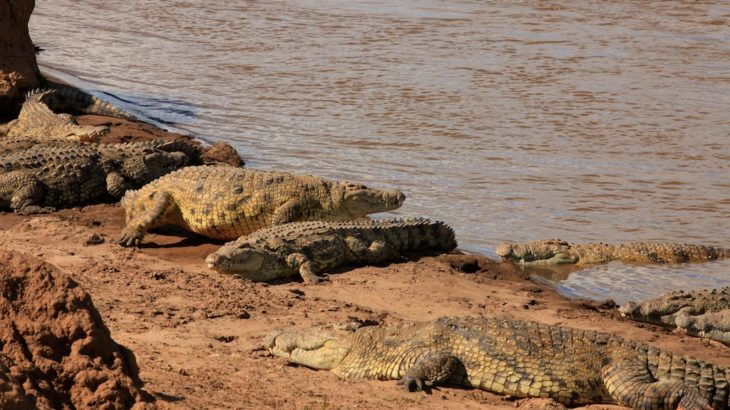
The park's location is as dramatic as its history. Lake Turkana, known as the "Jade Sea" for its stunning greenish-blue hue, is the world's largest permanent desert lake . Its alkaline waters, with their distinctive "soap-like" quality, create a mesmerizing mirror that reflects shifting clouds and desert skies . The lake supports 60 fish species, seven of which are endemic, and serves as a critical breeding ground for the largest colonies of Nile crocodiles in the world . The harsh, semi-desert landscape of commiphora woodland, euphorbia, and desert rose stands in stark contrast to the vibrant lake, creating a visual spectacle that is both beautiful and haunting .
The Cradle of Humankind
Koobi Fora and the Story of Human Evolution
Sibiloi National Park is home to the world-famous Koobi Fora region, which contains some of the most important paleontological and archaeological sites in the world . The Koobi Fora area has yielded fossil evidence that has contributed more to the understanding of human evolution than any other site in Africa . It was here that Dr. Richard Leakey discovered the skull of a Homo habilis believed to be 2.5 million years old, and where others have unearthed evidence of Homo erectus . These discoveries have redefined what the world knew about human origins .
The fossils found at Koobi Fora tell a remarkable story. Among the most captivating finds are the massive shell of a giant tortoise dating back three million years, the jawbones of a crocodile estimated to have reached over 45 feet in length, and the skeletal remains of an extinct elephant ancestor with enormous tusks . These relics, now housed in the Koobi Fora Museum located within the park, offer a rare glimpse into life long before modern civilization . The National Museums of Kenya maintains a small museum at Koobi Fora, where visitors can learn about the fascinating history of human evolution and see replicas of fossils found in the area .
The park's archaeological significance extends beyond Koobi Fora. Near the village of Nariokotome, scientists discovered "Turkana Boy," a nearly complete skeleton of Homo erectus dating back approximately 1.6 million years . This remarkable find, one of the most complete early human skeletons ever discovered, has provided invaluable insights into human evolution and development . The Turkana Basin, of which Sibiloi is a part, is considered one of the most important archaeological sites in the world, with scientists continuing to uncover fossils of early humans, animals, and plants that are over 2 million years old . Visitors can explore these archaeological sites and even see some of the excavated fossils and artifacts that date back millions of years .
The Petrified Forest and Volcanic Landscapes
Mount Sibiloi and Ancient Geology
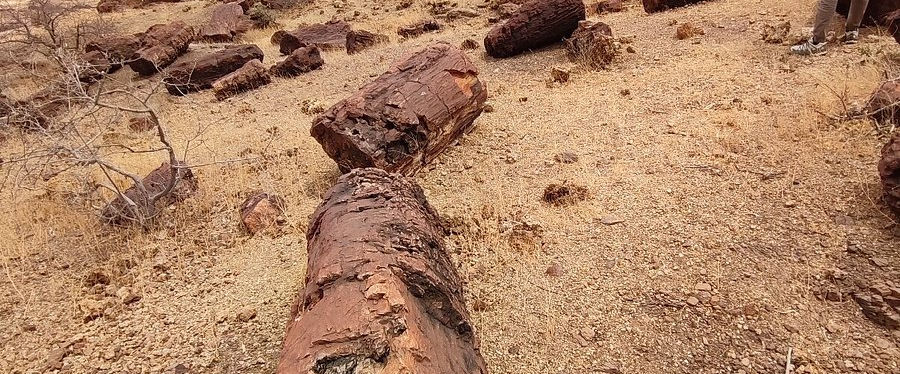
Towering over the plains is Mount Sibiloi, a dormant volcano where visitors can find the Petrified Forest, remnants of an ancient woodland turned to stone over millennia . Here, preserved casts of elephants and tortoises lie embedded in the rock, silent witnesses to the passage of time . The volcanic history of Sibiloi is evident in the rugged rock formations and ancient lava flows that punctuate the landscape, providing both a visual spectacle and an insight into the area's geological past . The dramatic scenery, shaped by volcanic activity and erosion over thousands of years, creates a visually striking environment that few other destinations can offer .
The Petrified Forest is one of the park's most fascinating features. The remains of trees that lived approximately 7 million years ago have been preserved in volcanic ash, creating a remarkable record of the area's ancient climate and vegetation . Walking among these fossilized trunks, visitors can imagine a time when this arid landscape was a lush, forested environment, home to creatures that have long since disappeared from the Earth.
Wildlife of Sibiloi National Park
The Surprising Diversity of the Desert
Despite its harsh, desert-like climate, Sibiloi National Park supports a surprising array of wildlife . The park's semi-desert environment supports species adapted to arid conditions, making it a unique destination for wildlife enthusiasts . The combination of Lake Turkana's aquatic ecosystems with the park's terrestrial habitats creates a remarkable diversity of life.
Aquatic Wildlife: The park's proximity to Lake Turkana allows visitors to observe Nile crocodiles, some of the largest in Africa, often basking along the shores . The lake supports the largest colonies of Nile crocodiles in the world, with an estimated 22,000 individuals . Hippos are also present, adding to the aquatic diversity of the region .
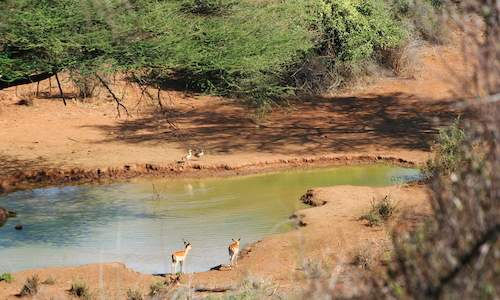
Large Mammals: Grazers like Grevy's zebra and Beisa oryx are commonly found in the park's semi-desert landscapes, along with gerenuks, topis, and dik-diks . Sightings include the endangered northern topi, Somali ostrich, lesser kudu, oryx, gerenuk and various species of gazelle . These species are well-adapted to the dry environment and represent the resilience of Sibiloi's ecosystem .
Predators: Although rare, predators such as lions, leopards, cheetahs, and spotted hyenas inhabit the park . These elusive animals add an element of excitement for visitors hoping to catch a glimpse of them in the wild . Both spotted and striped hyena roam the terrain, along with cheetah and leopard .
Other Species: Smaller mammals like rock hyraxes, warthogs, and jackals also roam the park, contributing to the biodiversity of this remote region .
Birdlife of Sibiloi
A Haven for Birdwatchers
With over 350 bird species, Sibiloi is a haven for birdwatchers, especially those interested in arid and aquatic bird species . The unique mix of habitats—from Lake Turkana's shores to the dry plains—attracts a wide variety of birds, including both resident and migratory species . The park is recognized as an Important Bird Area, and thousands of migratory birds from the Palearctic region, including several globally threatened species, find refuge here .
Water Birds: Due to its location on the Lake Turkana shoreline, the park is a significant area for water birds. Greater and lesser flamingos are frequently seen along the lake, creating a mesmerizing pink spectacle against the blue waters . Other water birds include pelicans, Egyptian geese, African skimmers, and various duck species .
Birds of Prey: Raptors such as African fish eagles, tawny eagles, and bateleurs are commonly observed in Sibiloi, often hunting near the lake or soaring above the park's plains .
Savannah and Woodland Birds: Species like the yellow-necked spurfowl, Kori bustard, and several varieties of larks and weavers are found across the drier regions of the park . The diversity of savannah birds adds to Sibiloi's appeal for ornithologists and casual birdwatchers alike .
Best Time to Visit Sibiloi National Park
Sibiloi's remote, arid climate means that timing is crucial for a successful visit.
The Dry Season — June to October
The dry season from June to October is the best time to visit Sibiloi. During these months, the weather is slightly cooler, and the roads are more accessible. Wildlife concentrates around water sources, including Lake Turkana's shoreline and the Karsa waterhole, making them easier to spot . The skies are clear, offering spectacular views of the "Jade Sea" and the surrounding volcanic landscapes.
The Wet Season — November to May
The wet season from November to May brings brief but heavy rains that can make the roads impassable. The landscape transforms into a greener version of itself, but travel becomes significantly more challenging. The rains also coincide with the arrival of migratory birds from the Palearctic region, making this the best time for bird watching . The park's 350+ bird species are at their most active during this period, including flamingos, pelicans, and African skimmers .
Month-by-Month Summary
January to March: Hot and dry. Good wildlife viewing. Roads accessible. Excellent for archaeology tours.
April to June: Long rains. Roads muddy and potentially impassable. Lush landscapes. Best for bird watching with migratory species present.
July to October: Peak dry season. Coolest temperatures. Best wildlife viewing. Clear skies for photography.
November to December: Short rains. Roads may be challenging. Green landscapes. Good bird watching.
Best Time by Priority
Priority | Best Months | Why |
Wildlife viewing | June to October | Animals concentrate around water sources |
Bird watching | November to April | Migratory species present |
Fossil and archaeology tours | Year-round, but best June to October | Dry conditions, better road access |
Avoiding heat | June to September | Cooler temperatures |
Logistics and Tips for Sibiloi National Park
How to Get There
Sibiloi National Park is one of the most remote destinations in Kenya, and getting there is an adventure in itself. The park is located about 800 kilometers north of Nairobi, and the journey requires careful planning and the right vehicle.
By Air: The most convenient way to reach Sibiloi National Park is by air. There are charter flights available from Nairobi's Wilson Airport to airstrips located near the park. The primary airstrips serving the park are located at Koobi Fora and Lodwar . Flight duration is approximately 2 to 3 hours, depending on the route. Charter flights can be arranged through companies like SafariLink or Air Kenya, or through a tour operator.
By Road: Reaching Sibiloi National Park by road is an adventurous journey, best suited for those who enjoy off-road travel and exploring remote areas . A 4x4 vehicle is essential due to the rugged, unpaved terrain. The journey can take several days depending on the route and conditions.
Nairobi to Marsabit: Drive from Nairobi to Marsabit, a distance of about 550 kilometers. The road is mostly paved, but some sections may be rough and require a 4x4 vehicle.
Marsabit to North Horr: From Marsabit, travel approximately 200 kilometers to North Horr. This route is more challenging, with rough and unpaved roads.
North Horr to Sibiloi National Park: The final leg of the journey from North Horr to Sibiloi National Park covers around 150 kilometers of rugged terrain. This section is the most challenging and requires careful navigation.
By Boat: For a unique and scenic approach, visitors can reach Sibiloi National Park by boat from the shores of Lake Turkana. Boats can be hired from the town of Kalokol, located on the western shores of Lake Turkana. The journey across the lake to the eastern shore near the park can take several hours, depending on weather conditions . This method is less common but offers a memorable experience.
Park Fees and Entry
Sibiloi National Park is managed by the Kenya Wildlife Service (KWS) . Park entry fees are charged per person per 24-hour period. Fees can be paid at the park headquarters near Alia Bay or through the KWS eCitizen portal. It is advisable to check the latest fees with KWS before your visit, as they are subject to change.
Where to Stay
Due to its remote location, accommodation in and around Sibiloi is limited and basic. Planning ahead is essential.
Inside the Park: Camping is permitted in designated areas within the park. Visitors are advised to bring their own supplies due to the remote location and limited facilities . Camping costs approximately KSh 500 per person . It is usually possible to sleep in bandas (simple huts) at the Koobi Fora Research Center at approximately KSh 1,000 per person . There are also basic facilities at the park headquarters near Alia Bay.
Nearby Towns: Limited accommodation is available in Marsabit and Lodwar, but these are several hours' drive from the park. Loyangalani, on the western side of the lake, offers a few basic lodges and campsites, but reaching the park from there requires a boat crossing or a long drive around the lake.
How Many Days Do You Need?
Minimum: 2 to 3 nights. This allows for one full day of exploration at Koobi Fora and along Lake Turkana's shoreline.
Ideal: 4 to 5 nights. This allows time to explore the archaeological sites, visit the Petrified Forest and Mount Sibiloi, go on game drives, and enjoy bird watching along the lake. It also provides a buffer for travel delays due to weather or road conditions.
What to Pack
Sibiloi's remote, harsh environment requires specific equipment beyond a standard safari packing list.
Clothing: Light, breathable clothing for the heat, with a warm jacket for cool evenings and early mornings. Long sleeves and trousers for sun and insect protection. A wide-brimmed hat is essential.
Footwear: Sturdy hiking boots for rocky terrain and fossil sites. Sandals for evenings and the lake shore.
Sun Protection: High-SPF sunscreen, sunglasses, and a wide-brimmed hat. The desert sun is brutal.
Water: Carry at least 5 liters of water per person per day. There are no reliable water sources inside the park.
Other Essentials: Headlamp or flashlight, insect repellent (malaria is present), a first aid kit, and a satellite phone or personal locator beacon (there is no mobile coverage in the park). A camera with zoom lens for wildlife and landscape photography.
Insider Tips
Hire a guide: Given the remote location and the importance of the archaeological sites, hiring a local guide is essential. Guides from the Koobi Fora Research Center or KWS are knowledgeable about the region and can provide deep insights into the history and wildlife of the area.
Visit the Koobi Fora Museum: Don't miss the chance to see the fossils and learn about human evolution at the small museum. The experience is both humbling and awe-inspiring.
Explore the Petrified Forest: Walking among the ancient, fossilized trees at the base of Mount Sibiloi is a unique experience that connects you to the park's distant past.
Spend time at Lake Turkana's shoreline: The lake is the park's lifeblood. Watching the sunset over the "Jade Sea" with crocodiles and hippos in the foreground is an unforgettable moment.


Frequently Asked Questions About Sibiloi National Park
What is Sibiloi National Park known for?
Sibiloi National Park is known as the "Cradle of Humankind" due to the rich fossil deposits at Koobi Fora, which have provided invaluable insights into human evolution . It is a UNESCO World Heritage Site, combining paleontological significance with unique desert and lake ecosystems. The park is home to the remains of early human ancestors, including Homo habilis and Homo erectus, as well as a diverse array of wildlife adapted to the arid environment .
What are the "Sibiloi Specials"?
While there is no formal "Special Five" list for Sibiloi, the park's highlights include Grevy's zebra, beisa oryx, gerenuk, lesser kudu, and the Somali ostrich . These species are found in the arid northern regions of Kenya and are adapted to the harsh conditions of the Turkana Basin .
Where is Sibiloi National Park located?
Sibiloi National Park is located on the northeastern shore of Lake Turkana in Marsabit County, northern Kenya . It is approximately 800 kilometers north of Nairobi, making it one of the most remote national parks in the country . The park is accessible by charter flights or by a challenging road journey in a 4x4 vehicle.
When is the best time to visit Sibiloi National Park?
The best time to visit Sibiloi is during the dry season from June to October, when the weather is slightly cooler, the roads are more accessible, and wildlife concentrates around water sources . The wet season from November to May is best for bird watching, as migratory species are present, but travel can be challenging due to muddy roads.
Is Sibiloi National Park safe for tourists?
Yes, Sibiloi National Park is safe for tourists, but its remote location requires caution and preparation. Visitors should be aware of the harsh climate, limited facilities, and the need for self-sufficiency. Hiring an experienced guide is essential, and carrying sufficient water, supplies, and emergency communication is crucial. There is no mobile coverage in the park.
What facilities are available at Sibiloi National Park?
Facilities at Sibiloi are limited and basic. The park has a small museum at Koobi Fora, a research station, and basic camping and accommodation facilities . Visitors should bring their own supplies, including food, water, and camping equipment. There are no shops or restaurants inside the park, and all waste must be carried out.
Ready to Walk in the Footsteps of Humanity?
You have read the complete guide. You know that Sibiloi National Park is the "Cradle of Humankind," home to the richest fossil deposits in the world that have redefined our understanding of human evolution. You know that the park's dramatic landscapes range from the "Jade Sea" of Lake Turkana to the volcanic Mount Sibiloi and the ancient Petrified Forest. You know that the wildlife includes Grevy's zebra, oryx, gerenuk, lions, cheetahs, and the world's largest colonies of Nile crocodiles. You know that the best time to visit is during the dry season from June to October, and that the park is accessible by charter flight or a challenging 4x4 road journey.
Now it is time to turn that knowledge into an actual booking.
Here is what we offer
We build custom Sibiloi itineraries ranging from 3 nights to 6 nights. We combine Sibiloi with expeditions to the Turkana Basin, cultural visits to the Turkana, Dasanach, and Gabbra communities, and other northern Kenya destinations.
Tell us three things
First, how many nights do you want in Sibiloi and any other destinations in northern Kenya? (Recommended: 3-4 nights minimum). Second, what is your budget per person? Third, what is your priority? Fossil exploration and archaeology, wildlife viewing, bird watching, cultural experiences, or adventure travel?
What you will receive
Send us those three details and we will reply within 24 hours with recommended itineraries, a day-by-day schedule, a total cost breakdown including park fees, charter flights or road transport, accommodation, guides, and activities, and a detailed packing list tailored to Sibiloi's unique environment.
Your Sibiloi adventure starts here
Button: Request a Custom Sibiloi Safari Quote
Button: See Sibiloi Package Prices (3 Nights, 4 Nights, 5 Nights)
Button: Combine Sibiloi + Northern Kenya Expedition
Contact us directly
WhatsApp: +255746328326
Email: info@edelsafaris.com