
Udzungwa Mountains National Park
Tanzania

Udzungwa Mountains National Park: The Galápagos of Africa
If Kilimanjaro is the "Roof of Africa," then the Udzungwa Mountains are its "Living Laboratory." Often referred to as the "Galápagos of Africa," this park is a world-class biodiversity hotspot and one of the most ancient ecosystems on the continent. Unlike the vast savannahs of the north, Udzungwa is a pristine world of closed-canopy rainforests, hidden waterfalls, and emerald peaks.
Part of the Eastern Arc Mountains—a chain of isolated "islands" of forest that have remained climatically stable for over 30 million years—Udzungwa has allowed evolution to run wild. The result is a park where an incredible 25% of the plant species and several primate and bird species are found nowhere else on Earth. Spanning 1,990 square kilometers, it is a place for the true adventurer: there are no roads inside the park, meaning every discovery must be earned on foot.
Unique Features of Udzungwa Mountains National Park
Udzungwa is often described as the "Galápagos of Africa" because its isolation has created a unique evolutionary theater. Here are the features that set this park apart from any other in Tanzania:
1. Extreme Endemism: The Primate Capital
Udzungwa is one of the most important primate sanctuaries in the world. It hosts 12 primate species, five of which are found nowhere else on the planet:
Sanje Crested Mangabey: Undiscovered by science until 1979, this rare monkey is easily spotted on the Sanje Falls trail.
Udzungwa Red Colobus: A vibrant, social primate that is strictly endemic to these forests.
The Kipunji: Discovered as recently as 2005, this "highland mangabey" is one of the rarest monkeys in Africa, living in the park's most remote forest tracts.
2. The Sanje Waterfalls: A Three-Stage Wonder
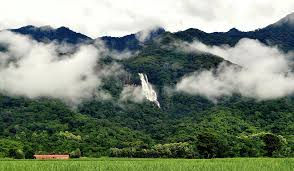
The park’s crown jewel is the Sanje Waterfall, which is the highest in the Tanzanian National Park system.
The Drop: The water plunges a total of 170 meters (550 feet) through the forest canopy.
The "Map of Africa": A unique geographical quirk—from a specific viewpoint on the trail, the waterfall's main drop and the surrounding rocks naturally form a silhouette that perfectly resembles the map of the African continent.
The Plunge Pools: Unlike many parks where swimming is prohibited, at Sanje, you can take a dip in the cool, crystal-clear natural pools at the base of the falls.
3. A Botanical Time Machine
The Udzungwa Mountains are part of the Eastern Arc chain, which has had a stable climate for over 30 million years.
Living Fossils: Because the forest never dried up during the last Ice Age, it contains plant species that have remained unchanged for millennia.
Diversity: The park protects over 2,500 plant species, roughly 25% of which are endemic to the region. This includes a massive variety of ancient trees, delicate violets, and medicinal herbs used by local healers for centuries.
4. Rare "Micro-Wildlife"
While northern parks focus on the "Big Five," Udzungwa is famous for its rare smaller residents:
Udzungwa Forest Partridge: First discovered in 1991, this bird’s closest relatives are found thousands of miles away in Asia—a biological mystery.
Grey-faced Sengi: A giant elephant shrew that looks like a prehistoric hybrid of a rodent and an elephant.
Endemic Chameleons: The park is home to several species of three-horned chameleons and the Kihansi Spray Toad, which evolved to live specifically in the mist of waterfall spray.
5. Vertical Ecosystems (Altitudinal Range)
Udzungwa offers one of the greatest altitudinal spans in East Africa, rising from 250 meters in the Kilombero Valley to the 2,576-meter peak of Lohomero.
The Vertical Zoo: This range creates a "ladder" of habitats. You can start your morning in a humid tropical rainforest and end your day in a cool, misty montane moorland, passing through distinct vegetation zones that change every few hundred meters of ascent.
6. Historical & Cultural Sanctuaries
The park contains more documented cultural and historical sites than almost any other in Tanzania.
The Caves: Sites like the Magombelema Caves were used as hideouts by local tribes during colonial wars and can hold up to 200 people.
Sacred Peaks: Mountains like Mwanihana are still considered sacred by local communities, who visit specific ritual sites to pray for rain or healing during times of hardship.
The Best Time to Visit Udzungwa Mountains National Park
Udzungwa is a rainforest environment, meaning weather conditions directly impact the difficulty of the trails and the visibility of its famous wildlife. Choosing the right time depends on whether you value dry hiking trails or the full, lush "jungle" experience.
1. The Dry Season: June – October (Best for Hiking)
This is the peak season for visiting Udzungwa. Because the park is strictly explored on foot, the condition of the trails is the most critical factor.
Optimal Conditions: The trails are firm and dry, reducing the risk of slipping on steep sections like the Sanje Falls ascent.
Primate Sightings: Primate viewing is excellent as the canopy is less dense, and animals move more frequently to find fruit and water.
Comfort: Temperatures are cooler and the humidity is lower, making the strenuous climbs much more manageable. This is also when the risk of leeches is at its lowest.
2. The Short Rains: November – December (The Butterfly Peak)
This transitional period brings the forest back to life without the constant downpours of the long rains.
Butterflies & Blooms: This is arguably the most beautiful time for photographers. Wildflowers flourish, and the park’s massive variety of colorful butterflies reaches peak activity.
Waterfall Power: After the first rains, the Sanje and Sonjo waterfalls regain their thunderous volume, creating impressive misty sprays.
3. The Birding Season: December – February (Migratory Window)
For bird enthusiasts, these months are the gold standard.
The Arrivals: Migratory birds from Europe and North Africa join the resident endemics (like the Udzungwa Forest Partridge) for nesting.
Activity: Many species are in their bright breeding plumage and are highly vocal, making them easier to track in the thick forest.
4. The Long Rains: March – May (The Lush Extreme)
This is the most challenging time to visit, and some specialized multi-day treks (like the Lumemo Trail) may be restricted.
The Landscape: The rainforest is at its most vibrant green, and the waterfalls are at their absolute peak power.
The Challenges: Expect heavy daily rainfall, very muddy and slippery trails, and high humidity. This is also peak season for leeches and mosquitoes. Only recommended for well-equipped, adventurous hikers who don't mind getting wet.
Udzungwa Seasonal Overview
Period | Season | Hiking Difficulty | Highlights |
June - Oct | Dry | ⭐ (Easiest) | Firm trails, best primate sightings, cooler air. |
Nov - Dec | Short Rains | ⭐⭐ | Butterflies, orchids, and "Map of Africa" views. |
Jan - Feb | Hot Dry | ⭐⭐ | Peak Birdwatching; migratory species nesting. |
Mar - May | Long Rains | ⭐⭐⭐⭐ (Hard) | Spectacular waterfalls; vibrant green; mud & leeches. |


Udzungwa Mountains National Park: Frequently Asked Questions
Can I see the "Big Five" here?
No. Udzungwa is not a traditional savannah park. While there are forest elephants, buffaloes, and leopards in the remote western regions, they are extremely shy and rarely seen in the dense canopy. Visitors come here for the "Sanctuary of Primates" and the "Big Five of the Forest": rare monkeys, endemic birds, butterflies, ancient trees, and waterfalls.
Is a guide mandatory for hiking?
Yes. You are strictly prohibited from entering the forest without a TANAPA-certified park ranger or guide. The trails can be confusing, and the rangers are experts at spotting well-camouflaged wildlife—like the Sanje Crested Mangabey or rare chameleons—that an untrained eye would likely miss.
How difficult is the hike to Sanje Waterfalls?
The Sanje Falls trail is the most popular hike in the park.
Distance: Approximately 6 km round trip.
Difficulty: Moderate. It involves a steep ascent of about 300 meters, which can be physically demanding in the humid tropical heat.
Time: It usually takes 3 to 4 hours, including time to swim and enjoy the views at the top.
Are there leeches in Udzungwa?
Yes, particularly during the rainy seasons (March–May and November). While they are harmless, they can be a nuisance.
Prevention: Wear long trousers tucked into your socks and apply insect repellent to your shoes and lower legs. If you visit during the peak dry season (July–September), leeches are much less common.
Where is the best place to stay?
There are no luxury lodges inside the park boundaries to protect the ecosystem.
Mang’ula Village: Most visitors stay in this village just outside the park gate. Options range from the popular Hondo Hondo Forest Tented Camp to more basic local guesthouses.
Camping: For multi-day treks like the Mwanihana Trail, you will stay at designated wilderness "fly-camps" inside the forest. You must bring all your own supplies, though your trekking company will typically provide the gear.
What should I pack for a trek?
Udzungwa is a rainforest, so the environment is humid and the weather can change rapidly.
Footwear: Sturdy hiking boots with good grip are essential for the steep, often slippery trails.
Clothing: Lightweight, moisture-wicking clothes. Long sleeves and trousers protect against stinging nettles and insects.
Swimwear: Don't forget your suit if you want to swim in the plunge pools at the base of Sanje Falls!
Hydration: Bring at least 2 liters of water for the Sanje hike.
How do I get to Udzungwa from Dar es Salaam?
By Road: It is a 350 km drive (approximately 6–7 hours) from Dar es Salaam. The road is paved most of the way, passing through the Mikumi National Park.
By Train: One of the most scenic ways to arrive is via the TAZARA railway. You can take the train from Dar es Salaam and disembark at the Mang'ula station, which is within walking distance of the park's main office.
Can I visit Udzungwa as a day trip from Mikumi?
Yes. Udzungwa is only about 60 km (a 1.5-hour drive) from Mikumi National Park. Many travelers stay in Mikumi for their savannah safari and take a day trip to Udzungwa specifically to hike the Sanje Waterfalls.
Are there mosquitoes?
As with any tropical forest in East Africa, mosquitoes are present, especially in the evenings. Malaria is prevalent in the surrounding lowlands, so it is highly recommended to use repellent and consult your doctor about prophylaxis before your trip.