
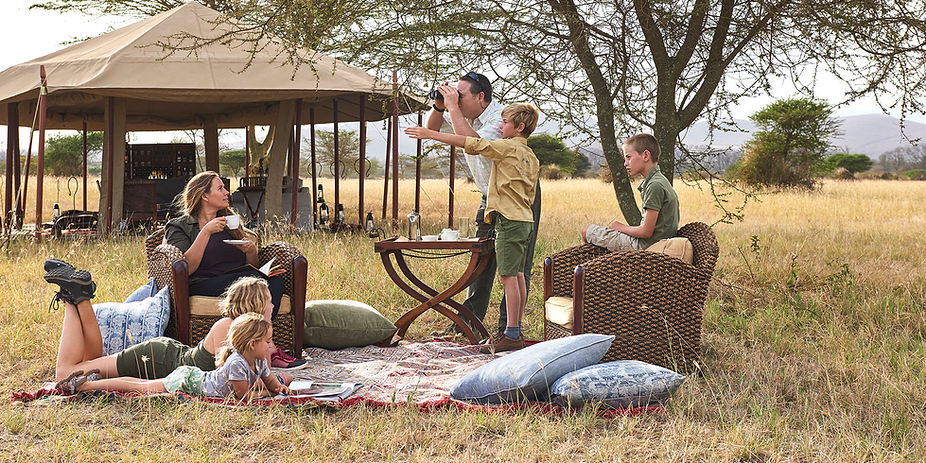
The Ethical Traveler’s Guide to Tanzania: Supporting Conservation and Community Without Leaving a Trace
Tanzania is a land of superlatives home to the highest peak in Africa, the largest
lion population on earth, and the world’s most famous wildlife migration. But as
we look toward 2026, the conversation is shifting from what we see to how we
see it. Traveling ethically with a local expert like Edel Safari is no longer a niche
choice; it is the most powerful tool we have to ensure these landscapes and
cultures thrive for another generation.
In this comprehensive guide, we explore how to navigate the "Cradle of Mankind"
with a footprint so light it’s almost invisible, while leaving behind a legacy of
support for the communities and wildlife that make this country extraordinary.

The Logistics: Planning Your Ethical Expedition (2026 Edition)
Preparation is the first step in ethical travel. Choosing the
right time and the right paperwork ensures your visit doesn't
strain local resources or contribute to over-tourism.
1. Navigating the East Africa Tourist Visa
If your 2026 journey extends to Kenya or Uganda, utilize the
East Africa Tourist Visa. This $100 multi country visa
supports regional tourism integration and encourages longer
stays, which generally have a higher positive economic
impact on local communities than short, single country hops.
2. Timing Your Impact: Seasonal Considerations for Ethical Travel in Tanzania
The "Green Season" (November–May): Often
overlooked, this season offers lush landscapes, lower
prices, and fewer crowds. By visiting now, you provide
consistent income for local guides and lodge staff during
the "off peak" months, preventing the seasonal
unemployment that can plague tourism heavy regions.
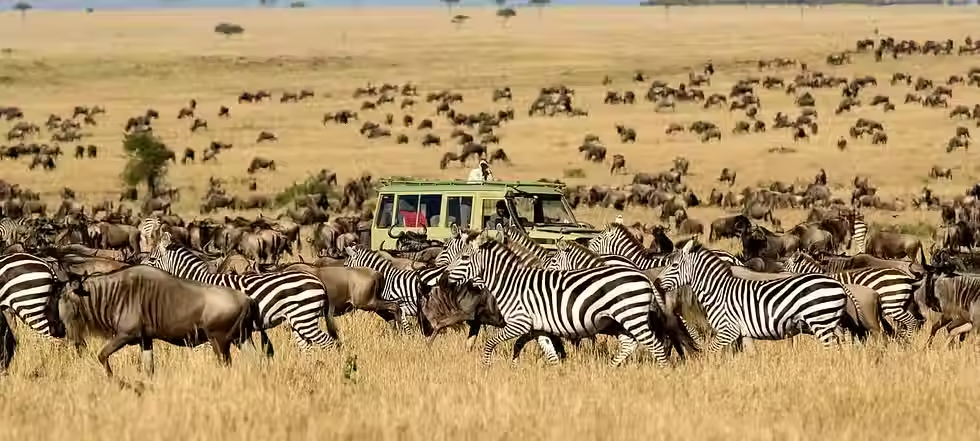
The Dry Season (June–October): This is the peak time
for the Great Migration and chimpanzee trekking in
remote areas like Mahale Mountains. While popular, Edel
Safari specializes in "crowd avoidance" logistics to
ensure your presence doesn't stress the wildlife.
3. The Power of "Slow Travel"
Instead of a whirlwind "Northern Circuit" tour that rushes
through five parks in five days, consider spending at least 7
days in a single region. Regions like the Usambara
Mountains or the remote Katavi National Park offer deep
immersion. Slow travel reduces your carbon footprint from
domestic flights and vehicle fuel while allowing for
meaningful connections with the people you meet.
The Core Guide: Conservation and Community First Experiences
1. Supporting Community Led Conservation
Ethical travel in 2026 is defined by Regenerative Travel—
the idea of leaving a place better than you found it.
Wildlife Management Areas (WMAs): Seek out
experiences in WMAs, where local communities are the
direct stewards of the land. These areas provide a vital
buffer between national parks and human settlements,
ensuring that wildlife can migrate safely while
communities benefit directly from tourism revenue.
Conservation Partnerships: Organizations like the
Tanzania Wildlife Management Authority (TAWA) and
the African Wildlife Foundation (AWF) work to combat
poaching and manage human wildlife conflict. Edel
Safari prioritizes partnerships with camps that actively
fund these efforts, such as the giraffe breeding grounds
at Manyara Ranch.

2. Respectful Cultural Immersion
Interaction with indigenous groups like the Maasai,
Hadzabe, and Datoga should be approached with humility.
Consent and Photography: Always seek permission
before taking photos. A simple Swahili phrase like
"Naweza kupiga picha?" (Can I take a photo?) shows
respect for personal agency.
Cultural Etiquette: Cover your shoulders and knees
when visiting local villages or sacred spaces, regardless of the heat.
Economic Empowerment: Purchase crafts and jewelry
directly from the makers. This ensures that 100% of the
profit stays within the community to fund vital services
like healthcare and education.

3. Choosing Sustainable Sanctuaries
Where you sleep matters. The "Experience Factor" now
favors lodges that operate entirely off grid without sacrificing comfort.
The Plantation Lodge & Entamanu
Ngorongoro: These stays are noted for solar-powered
water systems and a fierce commitment to waste reduction.
Meliá Serengeti Lodge & Lemala Mpingo
Ridge: These are pioneers in sustainable luxury, using
eco-friendly building materials and supporting local community initiatives.

Frequently Asked Questions (FAQ)
To help you prepare for your Edel Safari adventure, we have
compiled answers to the most common ethical travel to Tanzania questions.
Q: Is Tanzania safe for tourists in 2026? Tanzania
remains one of the safest destinations in Africa. By using a
reputable local operator like Edel Safari, you have the
benefit of expert guides who understand local dynamics.
Always follow your guide's advice, especially regarding safety in urban areas after dark.
Q: What is the plastic bag ban? Tanzania has a strict ban
on all single-use plastic carrier bags to protect its
ecosystems. While ziplock bags for toiletries are currently
permitted, avoid bringing any other plastic bags in your
luggage, as they may be confiscated at the airport.
Q: How much should I tip my safari guide? Ethical tipping
is a crucial part of the local economy. It ensures your guide
is fairly compensated for their specialized expertise. The
standard is $10–$20 per traveler, per day for your safari
driver-guide. For lodge staff, $2–$4 per traveler, per
day into the communal tip box is the best practice.
Q: Can I give gifts to local children? While well-
intentioned, giving candy or money directly to children can
encourage begging and discourage school attendance.
Instead, donate through established groups like the African
Wildlife Foundation or ask your Edel Safari expert for a list
of school supplies needed by partner villages.
Q: What are the essential eco-conscious packing items?
Pack neutral earth tones (khaki, olive, and tan) to blend into
the bush and avoid disturbing wildlife. Include a reusable
water bottle with a filter, reef-safe sunscreen, and
biodegradable toiletries.
Sustainability: How Your Trip Benefits Tanzania
Your safari is a financial engine for conservation.
Conservation Fees: A significant portion of your park
entry fees goes directly toward anti-poaching patrols and habitat restoration.
Local Employment: By hiring local Tanzanian guides
and porters especially for Kilimanjaro treks you provide
sustainable livelihoods for thousands of families.
Community Projects: Many lodges fund specific
initiatives, such as beehive fences to reduce human-
elephant conflict or mobile clinics for remote Maasai bomas.

Tourist in a sun that laughs while trying to follow the energetic stomps of local dancers in colorful traditional attire.
The Verdict: Your Impact Matters
The future of Tanzania’s wilderness is not guaranteed; it is a
choice made by every traveler who steps onto its soil. By
choosing Edel Safari, respecting local traditions, and
prioritizing conservation, you transform from a mere tourist into a guardian of the wild.
Ready to start your journey? Look for the "Responsible
Tourism Tanzania" certification when booking your 2026
safari to ensure your adventure leaves only footprints and takes only memories.


Comments