
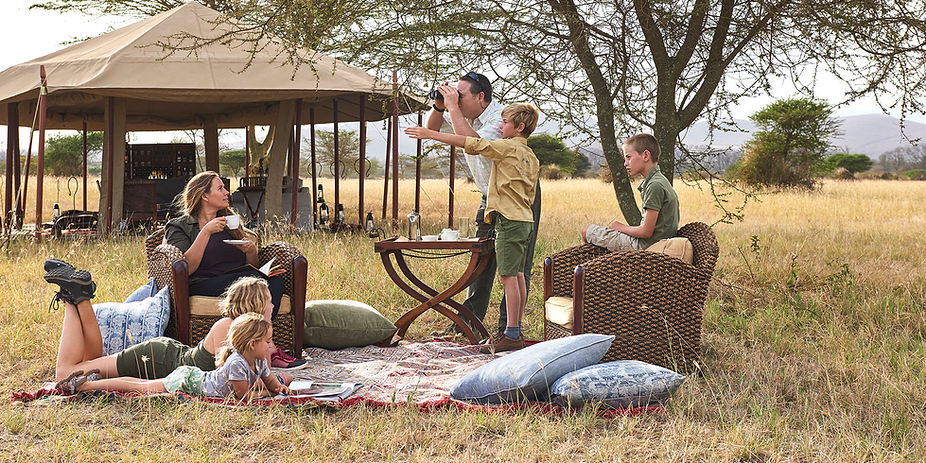
Complete Guide to Tanzania Safari Park Fees, Permits, Concession Fees, Park Rules & Sleeping Inside National Parks
Updated: Jul 24
Planning a safari in Tanzania is one of the most exciting travel experiences in the world. From witnessing the Great Migration in the Serengeti to descending into the wildlife-rich Ngorongoro Crater or exploring the remote wilderness of Ruaha and Nyerere National Parks, every destination offers something extraordinary.
Yet before the adventure begins, many travelers find themselves asking the same questions:
Why is a Tanzania safari expensive? What exactly are park fees? Are permits and concession fees the same thing? Why does staying inside a national park cost more than staying outside?
Understanding these charges is important not only for budgeting your trip but also for comparing safari itineraries fairly. Two itineraries that appear similar on paper may have very different prices simply because one includes accommodation inside a national park, additional conservation fees, or permits required for specific destinations.
It's also important to know that Tanzania's protected areas are managed by different authorities. Most national parks, including Serengeti, Tarangire, Lake Manyara, Arusha, Mikumi, Ruaha, Nyerere, Katavi, and Udzungwa, are managed by the Tanzania National Parks Authority (TANAPA).
However, destinations such as the Ngorongoro Conservation Area fall under a different management authority with their own fee structures and regulations. This is one of the main reasons safari costs vary depending on where you travel.
Whether you're planning a luxury fly-in safari, a budget camping adventure, or your very first wildlife experience, this guide will help you understand where your money goes, why these fees exist, and how they contribute to protecting one of Africa's most spectacular safari destinations.

Understanding Tanzania Safari Costs
One of the biggest misconceptions about a Tanzania safari is that the price you receive from a tour operator is simply the cost of the vehicle, guide, and accommodation. In reality, a safari package is made up of several different components, many of which are government-regulated charges that every visitor must pay to legally access protected areas.
This is why safari prices can vary significantly, even when two itineraries appear almost identical.
For example, two travelers may both book a 4-day Serengeti and Ngorongoro safari, but one itinerary could cost several hundred dollars more simply because it includes accommodation inside the national park, additional conservation fees, or a different category of lodge. Without understanding these individual charges, it's easy to assume one safari is overpriced when, in fact, it includes services and mandatory fees that the cheaper itinerary does not.
The key to understanding safari pricing is knowing that your total cost is not a single fee—it is a combination of several expenses that work together to make the experience possible.
What Makes Up the Cost of a Tanzania Safari?
A typical safari package may include several different cost components, including:
National park entrance fees
Conservation area fees
Concession fees (for accommodation inside certain parks)
Camping fees (if camping)
Accommodation costs
Professional safari guide services
4×4 safari vehicle and fuel
Airport transfers or domestic flights
Meals and drinking water
Government taxes and VAT
Some of these costs are fixed by government authorities, while others depend on the level of comfort and services you choose.
For example, staying in a luxury tented camp inside Serengeti National Park will naturally cost more than staying in a lodge outside the park—not only because of the accommodation itself, but also because operating inside protected areas involves additional conservation charges and logistical costs.
Who Sets These Fees?
Many travelers believe safari companies decide the price of park entry. In reality, most mandatory fees are established by government conservation authorities.
Depending on the destination, fees are managed by organizations such as:
Tanzania National Parks Authority (TANAPA) – responsible for most of Tanzania's national parks, including Serengeti, Tarangire, Mikumi, Ruaha, Nyerere, Lake Manyara, Arusha, Katavi, and others.
Ngorongoro Conservation Area Authority (NCAA) – responsible for the Ngorongoro Conservation Area, including the famous Ngorongoro Crater.
These authorities regularly review and update fee structures to support wildlife conservation, park maintenance, anti-poaching operations, scientific research, road improvements, visitor facilities, and community development around protected areas.
Because these fees are regulated, every licensed safari operator pays the same official government charges. The difference in package prices usually comes from accommodation standards, transport options, group size, guide quality, and the overall safari experience—not from changing the official park fees.
Why Are Safari Fees Necessary?
Tanzania protects some of the largest and most ecologically important wildlife ecosystems on Earth.
Maintaining these protected areas requires continuous investment.
Park fees help fund:
Wildlife conservation programs
Anti-poaching patrols
Road and bridge maintenance
Ranger salaries
Visitor safety and emergency services
Scientific research and wildlife monitoring
Habitat restoration
Environmental education
Community conservation initiatives
Without these contributions, it would be extremely difficult to preserve the ecosystems that support millions of animals, including elephants, lions, rhinos, giraffes, wildebeest, and countless other species that make Tanzania one of Africa's premier safari destinations.
Rather than viewing park fees as simply another travel expense, it's helpful to see them as a direct investment in protecting these landscapes for future generations.

Why Understanding These Costs Matters
Knowing how safari pricing works allows you to compare itineraries more accurately and avoid surprises when requesting quotations.
Instead of asking, "Why is this safari more expensive?", you'll be able to ask more informed questions, such as:
Does this package include all park entrance fees?
Are concession fees included in the price?
Is accommodation inside or outside the national park?
Are domestic flights part of the itinerary?
Are conservation fees already covered?
Understanding these details helps you choose a safari based on value rather than price alone, ensuring you know exactly what is included before you travel.
The next section will dive into the first and most important government charge:
What Are National Park Entrance Fees?
If you've ever requested a safari quotation, you've probably noticed a line that says "Park Fees Included." While this may seem like just another charge, national park entrance fees are one of the most important components of every safari in Tanzania.
Simply put, a park entrance fee is a mandatory conservation charge that every visitor must pay to legally enter and enjoy a national park. Whether you're visiting for a few hours on a day trip or spending several days exploring multiple ecosystems, these fees are required for every eligible visitor.
Unlike accommodation or transport costs, park entrance fees are not set by safari companies. They are official government charges established by the Tanzania National Parks Authority (TANAPA) and are applied consistently to all licensed tour operators and independent visitors.
These fees are much more than an admission ticket—they are one of the primary sources of funding that keep Tanzania's protected areas functioning and its wildlife safeguarded.
What Do Park Entrance Fees Pay For?
Many people assume that park fees simply allow access through the entrance gate. In reality, they support a wide range of conservation and operational activities that take place every day across Tanzania's national parks.
Revenue collected from park entrance fees helps finance:
Wildlife conservation and habitat protection
Anti-poaching patrols and ranger operations
Maintenance of game drive roads and park infrastructure
Visitor information centers and gate facilities
Wildlife research and ecological monitoring
Fire management and environmental restoration
Rescue and emergency response services
Park administration and staff training
Community conservation initiatives around protected areas
These ongoing efforts ensure that Tanzania's wildlife populations remain protected while visitors continue to enjoy safe, well-managed safari experiences.
Who Has to Pay Park Entrance Fees?
In most cases, every visitor entering a national park must pay an entrance fee. However, the amount charged depends on several factors, including:
Visitor Category
Park fees are usually divided into different categories, such as:
International non-residents
East African Community (EAC) citizens
Tanzanian residents with valid permits
Children and students (where applicable)
This pricing structure allows local residents to access national parks at subsidized rates while international tourism contributes more significantly to conservation funding.
The National Park You Visit
Not every park has the same entrance fee.
For example, globally renowned parks such as Serengeti National Park generally have higher entrance fees than smaller or lesser-visited parks because they require greater conservation resources and receive significantly more visitors.
Likewise, parks with unique management structures—such as the Ngorongoro Conservation Area—operate under separate fee systems that differ from standard TANAPA parks.
This is one of the reasons why safari prices vary depending on your itinerary.
Length of Your Visit
Park entrance fees are generally valid for a specified period, often based on a 24-hour entry cycle.
If your itinerary requires you to remain inside the park beyond the validity period, additional entrance fees may apply depending on the park's regulations and your travel schedule.
For travelers spending several nights inside large parks such as Serengeti, understanding how these entry periods work is important, as they influence the overall safari cost.
Are Park Entrance Fees Included in Safari Packages?
For most professionally organized safaris, the answer is yes.
Reputable safari operators usually include all mandatory park entrance fees within the total package price. This allows travelers to enjoy their safari without worrying about paying separately at each park gate.
However, not all safari quotations are structured the same way.
Some operators advertise unusually low prices by excluding government charges from the initial quotation, only adding them later as separate costs. Others may mention that park fees are "excluded", requiring travelers to pay them before entering the park.
For this reason, it is always advisable to confirm exactly what is included in your safari package before making a booking.
A transparent quotation should clearly state whether:
National park entrance fees are included
Conservation fees are included
Crater fees (where applicable) are included
Concession or camping fees are included
This helps you compare safari packages fairly and avoid unexpected expenses.
Why Park Entrance Fees Should Be Viewed as an Investment
While park entrance fees contribute to the overall cost of a safari, they also play a critical role in preserving Tanzania's extraordinary natural heritage.
Every visitor who pays these fees contributes directly to protecting ecosystems that support some of Africa's most iconic wildlife—from the vast plains of the Serengeti to the elephant-rich landscapes of Tarangire and the remote wilderness of Ruaha.
Rather than being seen as an additional expense, park entrance fees are an investment in the long-term conservation of Tanzania's national parks, ensuring that future generations can continue to experience the same breathtaking wildlife and landscapes.
National Park Entrance Fees Across Tanzania's Northern and Southern Safari Circuits
One of the most common questions travelers ask is:
"Why does it cost more to visit some national parks than others?"
The answer lies in the size of the park, the level of tourism infrastructure, conservation requirements, wildlife density, and how each protected area is managed.
While entrance fees are regulated by the relevant conservation authorities, they are not identical across Tanzania. Some parks receive hundreds of thousands of visitors every year and require extensive infrastructure, while others remain remote wilderness areas where conservation takes priority over mass tourism.
Understanding these differences helps explain why safari itineraries covering different parks often have different overall costs.
Northern Safari Circuit
The Northern Circuit is Tanzania's most visited safari region and home to some of Africa's most iconic wildlife destinations. It offers well-developed tourism infrastructure, excellent road networks, and exceptional wildlife viewing throughout the year.
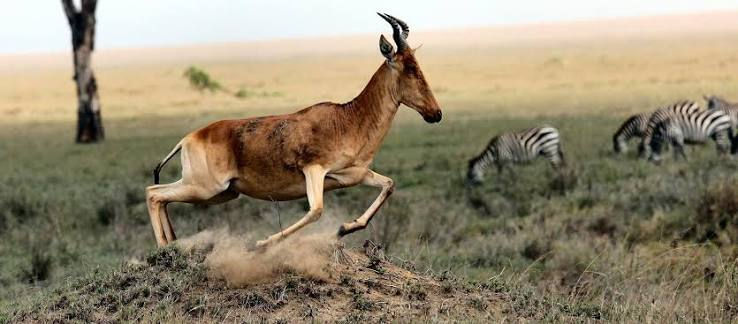
Serengeti National Park
Serengeti National Park is Tanzania's flagship safari destination and one of the world's most celebrated wildlife reserves. Covering nearly 15,000 square kilometers, it protects an immense ecosystem that supports millions of animals, including the famous Great Migration.
Because of its international importance and the scale of conservation required to manage such a vast landscape, the Serengeti has one of the highest entrance fee structures among Tanzania's national parks.
Visitor fees contribute to:
Protecting one of Africa's largest wildlife ecosystems
Maintaining hundreds of kilometers of game-drive roads
Supporting anti-poaching operations
Wildlife monitoring and scientific research
Visitor facilities and ranger services
If your itinerary includes the Serengeti, remember that your safari cost may also include concession fees if you stay inside the park—a charge we'll explain later in this guide.
Tarangire National Park
Known for its enormous elephant population and ancient baobab trees, Tarangire National Park is often the first stop on Northern Circuit safaris.
Although smaller than the Serengeti, Tarangire plays a vital ecological role by protecting seasonal wildlife migration routes and one of East Africa's highest concentrations of elephants during the dry season.
Entrance fees help fund:
Elephant conservation
Road maintenance
Habitat protection
Wildlife research
Visitor management
Tarangire is frequently chosen for day trip safaris because of its accessibility from Arusha, making it one of Tanzania's most popular parks for shorter safaris.
Lake Manyara National Park
Lake Manyara is one of Tanzania's smaller national parks, but it offers remarkable ecological diversity within a compact area.
The park combines:
Groundwater forests
Acacia woodlands
Open grasslands
The alkaline lake itself
Entrance fees contribute to protecting this fragile ecosystem, which supports elephants, hippos, flamingos, baboons, and hundreds of bird species.
Because of its size and proximity to Arusha, Lake Manyara is commonly included in one-day and multi-day Northern Circuit itineraries.
Arusha National Park
Often overlooked by first-time visitors, Arusha National Park provides a completely different safari experience.
Instead of focusing solely on large predators, the park is known for:
Mount Meru
Walking safaris
Canoe safaris
Colobus monkeys
Giraffes
Scenic volcanic landscapes
Park fees here support conservation of both wildlife and fragile mountain ecosystems.
Ngorongoro Conservation Area
Although many travelers include Ngorongoro as part of the Northern Circuit, it is not a national park.
Instead, it is managed separately by the Ngorongoro Conservation Area Authority (NCAA).
This distinction is important because visitors pay different types of government charges, including:
Conservation Area entry fees
Vehicle fees
Ngorongoro Crater service fees
These charges help manage one of Africa's most unique conservation models, where wildlife protection exists alongside Maasai pastoral communities.
Because of these additional conservation requirements, Ngorongoro often represents one of the more expensive components of a Northern Circuit safari.
Southern Safari Circuit
Southern Tanzania offers a very different safari experience.
Instead of large visitor numbers and busy game-viewing routes, these parks emphasize vast wilderness, fewer vehicles, and a more exclusive atmosphere.
Although visitor numbers are lower, conservation costs remain substantial due to the enormous size of these protected landscapes.
Nyerere National Park
Formerly part of the Selous Game Reserve, Nyerere National Park is Africa's largest national park.
Its immense size requires continuous investment in:
Ranger patrols
River ecosystem conservation
Anti-poaching operations
Airstrip maintenance
Visitor safety
Unlike many Northern Circuit parks, Nyerere also offers activities such as boat safaris and walking safaris, creating a more varied safari experience.
Mikumi National Park
Mikumi has become increasingly popular because it is one of the easiest parks to reach from Zanzibar.
Its open plains and relatively accessible wildlife make it an excellent destination for first-time safari travelers and same-day fly-in excursions.
Entrance fees support:
Wildlife conservation
Park road maintenance
Visitor facilities
Habitat management
Although Mikumi is smaller than Serengeti or Nyerere, it remains one of Tanzania's most rewarding parks for shorter itineraries.
Ruaha National Park
Ruaha is Tanzania's largest national park after Nyerere and is widely regarded as one of Africa's finest destinations for predator sightings.
The park's remote location means conservation efforts are particularly demanding.
Entrance fees contribute toward protecting:
Large lion populations
Wild dogs
Leopards
Elephants
Extensive river ecosystems
Because visitor numbers are relatively low, tourism revenue plays an important role in supporting ongoing conservation work.
Udzungwa Mountains National Park
Unlike most safari destinations, Udzungwa is primarily known for hiking, waterfalls, and exceptional biodiversity rather than traditional game drives.
Entrance fees support the conservation of:
Endemic primates
Ancient rainforest
Mountain ecosystems
Rare plant species
For travelers interested in nature beyond the classic safari, Udzungwa offers a unique perspective on Tanzania's ecological richness.
Why Entrance Fees Differ Between Parks
There is no single entrance fee that applies across all of Tanzania's protected areas.
Each park has different:
Conservation priorities
Management requirements
Infrastructure costs
Visitor facilities
Wildlife populations
Ecological significance
As a result, the entrance fees you pay reflect the unique challenges and responsibilities involved in protecting each destination.
This is why a safari that includes Serengeti and Ngorongoro will generally cost more than one focused on Mikumi or Tarangire—not because the experience is necessarily "better," but because the conservation and operational costs are different.
The next section is one of the least understood aspects of safari pricing:
Perfect. This section should sell the experience while educating the reader. It naturally connects with concession fees and answers the question many travelers ask: "Is it worth paying more to stay inside the park?"
What Are Concession Fees? Understanding One of Tanzania's Most Misunderstood Safari Charges
When travelers receive a safari quotation, they often notice terms like "concession fee," "park fee," or "park accommodation surcharge." Because these charges appear alongside one another, many people assume they refer to the same thing.
They don't.
A park entrance fee gives you legal access to enter and explore a national park. A concession fee, on the other hand, is charged because you are staying overnight inside certain protected areas.
In simple terms, entering a national park and sleeping inside a national park are two separate privileges, and each has its own associated cost.
Understanding this distinction is essential when comparing safari quotations, as concession fees can significantly influence the total price of your itinerary.
Why Are Concession Fees Charged?
National parks are first and foremost protected conservation areas—not commercial tourism zones.
Every lodge, tented camp, or mobile camp operating inside a national park occupies land that belongs to the protected area. To operate legally, these properties must obtain permission from the relevant park authority and contribute financially toward conservation through concession agreements.
Rather than charging accommodation providers alone, the conservation authorities also require a concession fee for guests staying within these protected areas. This additional revenue helps offset the environmental impact of overnight tourism while supporting the long-term management of the park.
These funds are used for activities such as:
Maintaining roads that connect remote lodges and camps
Managing waste and environmental protection programs
Supporting ranger patrols and anti-poaching operations
Monitoring wildlife populations around tourism zones
Maintaining airstrips and emergency response services
Preserving the natural habitats that visitors come to experience
In other words, concession fees help ensure that tourism contributes directly to the protection of the very landscapes it depends on.
Which Parks Commonly Charge Concession Fees?
Concession fees are most commonly associated with parks where visitors stay inside the protected area, particularly those offering permanent lodges, luxury tented camps, or seasonal mobile camps.
Examples include:
Serengeti National Park, where many luxury lodges and tented camps are located within the park boundaries.
Nyerere National Park, where riverside lodges and safari camps operate inside protected wilderness.
Ruaha National Park, known for its remote camps and exclusive safari experiences.
Not every national park applies concession fees in the same way, and the structure may vary depending on the type of accommodation and the authority managing the area.
This is why two safari itineraries with similar routes can have noticeably different prices if one includes accommodation inside the park while the other uses lodges located outside the park boundary.
Why Does Staying Inside the Park Cost More?
Many travelers ask why accommodation inside a national park is significantly more expensive than lodging outside.
The answer goes beyond the quality of the room.
Operating a lodge or tented camp deep inside a protected wilderness is logistically demanding. Almost everything required to keep the property running must be transported into remote areas, including:
Food and drinking water
Fuel and electricity supplies
Building materials and maintenance equipment
Staff and operational resources
In addition, operators must comply with strict environmental regulations designed to minimize their impact on wildlife and fragile ecosystems.
These operational challenges, combined with concession fees and conservation obligations, naturally increase the cost of staying inside the park.
However, many travelers consider the experience well worth the investment.
Imagine waking before sunrise, hearing lions roar in the distance, and beginning your game drive just minutes after leaving your camp. Compare that to staying outside the park, where you may spend one to two hours driving just to reach the entrance gate before your safari even begins.
The convenience, atmosphere, and additional wildlife viewing time are among the biggest advantages of staying within the park itself.
Are Concession Fees Included in Safari Packages?
For most professionally organized safaris, concession fees are included in the package price whenever they apply.
However, not every operator structures quotations in the same way.
Some companies provide a single all-inclusive price, while others list concession fees separately to show travelers exactly how the overall cost is calculated.
For this reason, it's always worth asking what your safari package includes.
A transparent itinerary should clearly indicate whether the quoted price covers:
National park entrance fees
Conservation area charges
Concession fees (if applicable)
Camping fees (if applicable)
Accommodation and meals
This level of transparency helps travelers compare safari packages fairly and understand exactly where their money is being allocated.
Concession Fees Are an Investment in Conservation
Although concession fees increase the cost of staying inside Tanzania's most famous national parks, they also play an important role in preserving these extraordinary landscapes.
By contributing to conservation, infrastructure, and responsible tourism management, they help ensure that iconic destinations such as the Serengeti, Ruaha, and Nyerere remain protected for future generations.
Rather than viewing concession fees as an additional expense, it is more accurate to see them as a contribution toward maintaining the unique privilege of spending a night in some of the world's most remarkable wildlife ecosystems.
The next section should naturally follow with:
What Does It Mean to Sleep Inside a National Park?
For many first-time safari travelers, the phrase "staying inside the park" sounds like a simple location choice. In reality, it can completely transform your safari experience.
When planning a Tanzania safari, you'll generally have two accommodation options:
Stay inside the national park or conservation area
Stay outside the park boundary in nearby towns or villages
While both options allow you to explore the same destination, the experience they offer is remarkably different.
Sleeping inside a national park means spending the night in the heart of a protected wilderness, surrounded by nature rather than towns, traffic, or everyday distractions. It is one of the few opportunities in the world where you can wake up to the sounds of birds, elephants moving through the bush, or lions roaring in the distance—all before your morning coffee.
This unique experience is one of the reasons many travelers choose to pay the additional cost associated with accommodation inside protected areas.
Types of Accommodation Inside Tanzania's National Parks
Sleeping inside a park doesn't always mean staying in an ultra-luxury lodge. Tanzania offers several accommodation styles to suit different budgets and travel preferences.

Permanent Safari Lodges
Permanent lodges are solidly built properties that operate throughout the year. They often provide private rooms, en-suite bathrooms, restaurants, lounges, and other modern comforts while remaining carefully integrated into the surrounding environment.
These lodges are ideal for travelers seeking comfort without losing the feeling of being immersed in nature.
Luxury Tented Camps
Luxury tented camps combine the atmosphere of traditional camping with the comfort of high-end accommodation.
Although called "tents," these camps often feature:
Comfortable beds
Private bathrooms
Hot showers
Spacious verandas
Fine dining experiences
The canvas design allows guests to feel closer to nature while still enjoying many of the comforts found in boutique hotels.
Mobile Camps
Some camps move throughout the year to follow seasonal wildlife movements, particularly in Serengeti National Park during the Great Migration.
These mobile camps provide an opportunity to stay remarkably close to wildlife activity while minimizing long daily drives to reach key migration areas.
For travelers visiting during migration season, mobile camps often offer one of the most immersive safari experiences available.
Public and Special Campsites
For budget-conscious travelers and adventure enthusiasts, Tanzania's national parks also provide camping options.
These range from public campsites with shared facilities to exclusive special campsites reserved for private groups.
Camping inside the park offers a completely different perspective on safari life, allowing visitors to experience the sounds and atmosphere of the African wilderness after sunset.
The Advantages of Staying Inside the Park
While accommodation inside protected areas generally costs more, the benefits often outweigh the additional expense—especially for travelers who want to maximize their wildlife experience.
More Time for Wildlife Viewing
One of the greatest advantages is the amount of time you save.
If you're already inside the park, your game drive can begin almost immediately after breakfast. There is no need to spend an hour or more driving from an outside lodge to the park entrance before the safari even starts.
Those extra hours are often spent where they matter most—in the company of wildlife.
Access to Early Morning Game Drives
Early morning is widely regarded as one of the best times for wildlife viewing.
Temperatures are cooler, predators are still active after nighttime hunting, and many animals begin feeding before the midday heat.
Guests staying inside the park can leave camp at sunrise, while those staying outside may still be driving toward the entrance gate.
That difference in timing can significantly influence the quality of wildlife sightings.
A More Immersive Wilderness Experience
Safari is about more than checking animals off a list.
It's about feeling connected to the landscape.
When you stay inside a national park, the experience continues long after the game drive ends.
You may hear:
Lions roaring in the distance
Hyenas calling after sunset
Hippos grazing near camp
Birds welcoming the sunrise
These moments cannot be recreated by staying in a hotel outside the protected area.
They become part of the memory of your safari.
Less Time on the Road
Many parks in Tanzania are enormous.
For example, Serengeti National Park covers nearly 15,000 square kilometers, meaning some lodges outside the park require lengthy drives just to reach productive wildlife areas.
Staying inside dramatically reduces unnecessary travel, allowing you to spend more time observing animals and less time commuting.
Are There Any Disadvantages?
Although staying inside a national park offers many advantages, it's important to understand that it may not be the right choice for every traveler.
Accommodation inside protected areas is generally more expensive because of:
Concession fees
Higher operating costs
Remote logistics
Limited infrastructure
You may also notice that:
Internet access is slower or unavailable.
Electricity may be supplied by solar power or generators with scheduled operating hours.
Mobile phone coverage can be limited in remote locations.
For most safari travelers, these are minor inconveniences. In fact, many consider them part of the experience—a chance to disconnect from everyday life and fully appreciate the natural world.
Is Sleeping Inside the Park Worth It?
For travelers seeking the most immersive safari possible, the answer is often yes.
The opportunity to begin your game drive at sunrise, reduce travel time, experience the sounds of the wilderness after dark, and stay surrounded by wildlife creates a safari that feels deeper and more authentic.
If your budget allows, spending at least one or two nights inside a national park can significantly enhance your overall experience.
It's not simply about where you sleep.
It's about where your safari truly begins.
Essential Park Rules Every Safari Traveler Should Know
Tanzania's national parks are among the most protected wildlife areas in Africa. Every year, they welcome hundreds of thousands of visitors from around the world, yet they remain home to free-roaming wildlife that behaves according to nature—not tourism.
For this reason, every visitor is expected to follow a set of park rules designed to protect wildlife, preserve fragile ecosystems, and ensure everyone's safety.
These regulations are not meant to restrict your experience. Instead, they allow people and wildlife to coexist responsibly while preserving Tanzania's extraordinary natural heritage for future generations.
Whether you're visiting the Serengeti, Tarangire, Ngorongoro, Mikumi, Ruaha, Nyerere, or any other protected area, these are some of the most important rules you should understand before your safari begins.
Stay Inside the Safari Vehicle Unless Your Guide Says Otherwise
One of the most important rules in every national park is to remain inside your safari vehicle during game drives.
Although many animals appear calm, they are completely wild and can react unpredictably if they feel threatened or surprised. Even herbivores such as buffalo, elephants, and hippos are responsible for serious injuries every year across Africa.
Professional safari guides understand animal behavior and know when it is safe to stop or continue driving. Unless you are at an official picnic site, viewing point, or designated walking safari area, you should never leave the vehicle without your guide's permission.
This rule protects both visitors and wildlife.
Never Feed Wild Animals
Feeding wildlife may seem harmless, but it can have serious consequences.
Animals that become accustomed to receiving food from people gradually lose their natural behaviors. They may begin approaching vehicles aggressively, become dependent on human food, or alter their hunting and feeding patterns.
Human food can also make wild animals sick, introducing ingredients their digestive systems are not adapted to process.
One of the fundamental principles of responsible safari tourism is allowing wildlife to remain truly wild.
The best way to appreciate animals is by observing them—not interacting with them.
Respect Wildlife by Keeping Noise to a Minimum
One of the greatest pleasures of a safari is experiencing the sounds of nature.
Loud conversations, shouting, playing music, or unnecessary noise can disturb animals and interfere with their natural behavior. Predators may abandon a hunt, birds may leave nesting areas, and nervous animals may move away before other visitors have the opportunity to observe them.
Keeping voices low also improves your own experience, making it easier to hear bird calls, elephant rumbles, or the distant roar of a lion.
Do Not Ask Your Guide to Drive Off-Road
Visitors are sometimes tempted to ask guides to leave established tracks in pursuit of better wildlife photographs.
However, off-road driving is prohibited in most Tanzanian national parks except in specifically designated areas or under special regulations.
Driving through vegetation damages fragile habitats, destroys plants, contributes to soil erosion, and can disturb nesting birds or smaller animals hidden in the grass.
Responsible safari guiding means finding exceptional wildlife sightings while respecting the environment that supports them.
Never Litter Inside the Park
Everything brought into a national park should leave with you.
Plastic bottles, food wrappers, cigarette butts, and other waste can harm wildlife and pollute ecosystems that may take decades to recover.
Many animals mistake litter for food, while plastic waste can contaminate rivers and grazing areas.
Responsible tourism begins with simple habits, such as carrying your waste until it can be disposed of properly.
Respect Park Speed Limits
Safari vehicles operate under speed restrictions for a reason.
Driving too fast increases the risk of accidents involving wildlife crossing the road, damages park tracks, and reduces the quality of wildlife viewing.
Slow driving allows guides to notice animal tracks, listen for bird calls, and respond quickly to unexpected sightings.
On safari, the journey itself is part of the experience—not simply getting from one location to another.
Drone Use Is Strictly Regulated
Many visitors hope to capture aerial footage of Tanzania's breathtaking landscapes, but drones are generally prohibited in national parks unless special authorization has been obtained from the relevant authorities.
Drones can:
Disturb wildlife
Stress nesting birds
Disrupt the experience of other visitors
Create safety concerns around aircraft operating near park airstrips
If aerial photography is important for your project, always obtain official approval before your trip.
Follow Your Guide's Instructions
Your safari guide is much more than a driver.
Professional guides receive extensive training in wildlife behavior, park regulations, first aid, and visitor safety. They understand how animals react, where it is safe to stop, and how to handle unexpected situations.
Following your guide's instructions ensures not only your own safety but also the safety of everyone sharing the park.
Trusting their experience allows you to relax and enjoy the safari with confidence.
Respect Local Communities and Cultural Heritage
Some protected areas, particularly the Ngorongoro Conservation Area, are unique because wildlife conservation exists alongside local communities, including the Maasai.
When visiting villages or cultural sites:
Ask permission before taking photographs.
Dress respectfully.
Support local artisans by purchasing authentic handmade products.
Follow cultural guidance provided by your guide.
Responsible tourism benefits both conservation and the people who have lived alongside these landscapes for generations.
Responsible Visitors Help Protect Tanzania's Wildlife
Every safari traveler plays a role in conservation.
By following park rules, respecting wildlife, and supporting licensed safari operators, visitors contribute to the long-term protection of Tanzania's national parks.
A safari is not just an opportunity to see incredible animals—it is a privilege to enter ecosystems that have remained wild for thousands of years.
The greatest souvenir you can leave with is the knowledge that your visit helped ensure these landscapes remain just as remarkable for future generations.
Thinking Of Tanzania Safari? Plan with us for Free Consultation
Conclusion: Understanding the Real Value Behind Tanzania's Safari Fees
Planning a Tanzania safari involves much more than choosing a destination or comparing package prices. Behind every unforgettable game drive is a network of conservation efforts, trained professionals, protected landscapes, and carefully managed tourism systems that make these experiences possible.
From park entrance fees and conservation charges to concession fees for staying inside protected areas, each cost serves a purpose. Together, they help protect wildlife, maintain park infrastructure, support local communities, and ensure that Tanzania's national parks remain among the finest safari destinations in the world.
Whether you're exploring the elephant-rich plains of Tarangire, witnessing the Great Migration in the Serengeti, descending into the Ngorongoro Crater, or discovering the remote wilderness of Ruaha, Nyerere, or Mikumi, understanding these fees allows you to make informed decisions and compare safari packages with confidence.
Rather than focusing solely on the total price, consider what your safari investment supports. Every entrance ticket, every overnight stay inside a protected area, and every conservation contribution helps preserve Tanzania's extraordinary natural heritage for generations to come.
When you understand what you're paying for, you don't just become a better-informed traveler—you become part of the conservation story that keeps Tanzania wild.


Comments