

Fort Ikoma Airstrip in Serengeti National Park: The Gateway to Western Serengeti Safaris
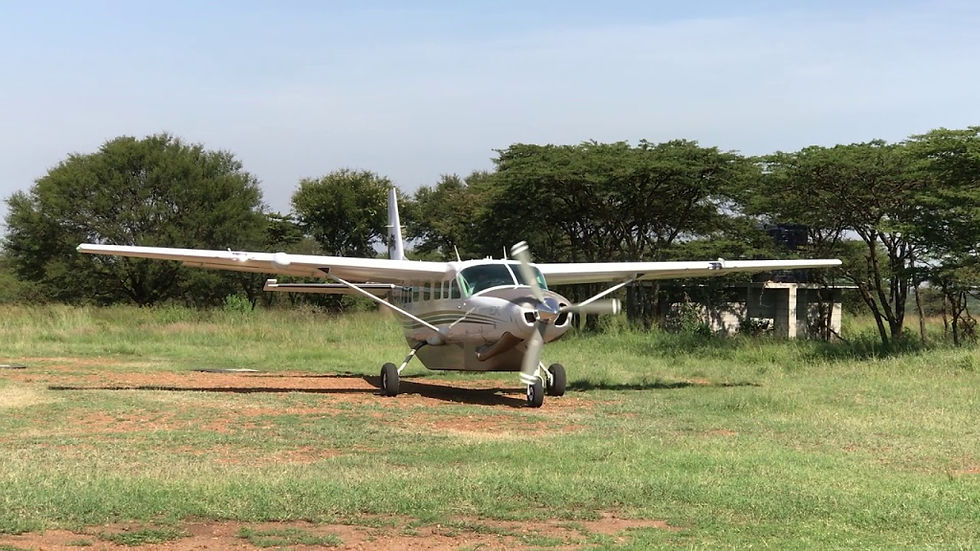
When planning a Tanzania Safari, most travelers immediately think of famous gateways such as Seronera or Kogatende. While these airstrips provide access to spectacular wildlife areas, they are not always the best choice for every itinerary. For visitors looking for a quieter safari, easier access to the western side of Serengeti National Park, and excellent connections to luxury lodges and tented camps, Fort Ikoma Airstrip is one of the most practical and underrated entry points.
Located close to the western boundary of Serengeti National Park and the Ikona Wildlife Management Area, Fort Ikoma Airstrip offers fast access to one of Tanzania's richest wildlife ecosystems. It serves travelers who want to reduce long road transfers, maximize time on game drives, and experience a different side of the Serengeti without the heavier vehicle traffic found in some central areas.
Its strategic location also makes it an excellent gateway for visitors booking a Serengeti Safari, Luxury Tanzania Safari, Fly-in Safari Tanzania, or a Tanzania Safari from Zanzibar. Whether you are planning a short four-day adventure or an extended safari that combines Serengeti with the Ngorongoro Crater, Fort Ikoma provides a smooth and efficient way to begin your journey.
Beyond its convenience, the surrounding region is remarkable for its diversity. Vast grasslands merge with woodlands, seasonal rivers, and wildlife corridors that support predators, elephants, giraffes, buffaloes, and numerous antelope species throughout the year. During the Great Migration, enormous herds also pass through the western Serengeti, creating unforgettable wildlife spectacles.
If your goal is to experience authentic African wilderness while avoiding unnecessary travel time, Fort Ikoma Airstrip deserves serious consideration.
Where Is Fort Ikoma Airstrip Located?
Fort Ikoma Airstrip is located near the western entrance of Serengeti National Park, close to Robanda, the Ikona Wildlife Management Area (WMA), and the Western Corridor of the park.This location makes it unique among Serengeti airstrips.
Unlike airstrips situated deep inside the park, Fort Ikoma acts as a bridge between protected wildlife areas and nearby safari lodges positioned just outside the park boundary.
This allows visitors to enjoy outstanding wildlife viewing while benefiting from a wider selection of accommodation options.Its position is particularly attractive for travelers arriving from western Tanzania Lake Victoria, or those combining multiple destinations within northern Tanzania.
For safari operators, Fort Ikoma provides exceptional flexibility because guests can easily access central Serengeti, the Western Corridor, or continue toward the northern migration routes depending on their itinerary.
Why Choose Fort Ikoma Airstrip Instead of Other Serengeti Airstrips?
Choosing an airstrip should never be based solely on flight availability. The location of your arrival point determines how quickly you reach wildlife areas, how much time you spend on the road, and even the overall rhythm of your safari.
Fort Ikoma Airstrip offers several important advantages.
First, it significantly reduces driving time for visitors staying in western Serengeti lodges or camps near the Ikona Wildlife Management Area. Rather than driving several hours from central Serengeti after landing elsewhere, guests can begin exploring almost immediately.
Second, the area receives fewer safari vehicles than some of the park's busiest regions. This creates a more relaxed atmosphere where wildlife sightings often feel more personal and less crowded.
Finally, Fort Ikoma provides excellent access to multiple ecosystems rather than a single wildlife zone. Depending on the season, visitors can explore open plains, woodland habitats, river systems, and migration routes without spending excessive time travelling between them.
For travelers seeking a premium Serengeti Fly-in Safari, these advantages translate into more wildlife encounters and less time in transit.
Exploring the Ikona Wildlife Management Area
One of the defining features of Fort Ikoma Airstrip is its close proximity to the Ikona Wildlife Management Area, often referred to simply as Ikoma WMA. This protected conservation area forms an important buffer between Serengeti National Park and surrounding communities. Wildlife moves freely between these landscapes, creating a much larger ecosystem than the national park boundaries alone might suggest.
For visitors, this means the safari experience extends beyond the traditional park limits.
Elephants use ancient migration routes through the area. Giraffes browse peacefully among scattered acacia trees.Large herds of impalas, topis, and zebras graze across open plains while predators patrol the same landscapes in search of prey.
The coexistence of conservation and local community involvement also demonstrates how sustainable tourism can contribute directly to protecting wildlife while creating economic opportunities for nearby villages. Choosing a safari through Fort Ikoma therefore supports not only conservation inside Serengeti National Park but also broader ecosystem management across the surrounding region.
Wildlife Around Fort Ikoma Airstrip
Although many visitors associate western Serengeti primarily with the Great Migration, wildlife around Fort Ikoma remains impressive throughout the year.
Permanent resident animals ensure that every safari offers rewarding game viewing regardless of the migration's location.
Elephants regularly move through woodland areas searching for fresh vegetation and water.
Large buffalo herds graze across the plains before retreating into shaded areas during the hottest hours of the day.Giraffes feed quietly among umbrella acacias while warthogs, impalas, elands, and waterbucks occupy different habitats depending on the season.
Predators are equally abundant.
Lions maintain territories across the region, frequently resting beneath scattered trees or rocky outcrops before becoming active during the cooler morning and evening hours.
Leopards favour riverine forests where dense vegetation provides excellent cover.
Spotted hyenas patrol extensive territories, often travelling remarkable distances during the night.
Cheetahs occasionally appear on open plains where the landscape allows them to use their extraordinary speed while hunting smaller antelope.
Because wildlife remains present throughout the year, Fort Ikoma is not simply a seasonal destination. It offers consistent safari opportunities whether you visit during the Great Migration or outside the migration months.
Why Fort Ikoma Is Perfect for a Fly-in Safari Tanzania
One of the biggest advantages of booking a Fly-in Safari Tanzania is the ability to maximize every day of your holiday.
Driving from Arusha to western Serengeti can consume an entire day. While the journey passes through beautiful scenery, it inevitably reduces the number of game drives available during shorter itineraries.
Flying directly to Fort Ikoma changes this completely.
After a relatively short bush flight, visitors land within minutes of exceptional wildlife areas. Instead of spending the afternoon travelling, they begin their first game drive almost immediately after arriving.
This makes Fort Ikoma particularly attractive for travelers booking a 4 Day Tanzania Safari, a 5 Day Serengeti Safari, or a Luxury Tanzania Safari, where every additional hour inside the park adds significant value to the overall experience.
It is also an excellent option for visitors planning a Tanzania Safari from Zanzibar, allowing them to move seamlessly from the beaches of Zanzibar to the wildlife-rich plains of Serengeti National Park in a single day.
Flights to Fort Ikoma Airstrip: The Fastest Way to Begin Your Serengeti Safari
One of the biggest reasons travelers choose Fort Ikoma Airstrip is the convenience it offers. Instead of spending an entire day driving from Arusha through multiple conservation areas before reaching the western Serengeti, a domestic bush flight places you close to your safari lodge within a few hours.
For many visitors, this means the holiday begins the moment the aircraft lands rather than after a long overland transfer. Every hour saved on transportation becomes another hour available for game drives, wildlife photography, or simply relaxing at your lodge while overlooking the Serengeti plains.
This is why Fly-in Tanzania Safaris have become increasingly popular among international travelers. Whether you are planning a Luxury Tanzania Safari, a Private Tanzania Safari, a Family Safari in Tanzania, or a Honeymoon Safari, flying directly into Fort Ikoma allows you to maximize your experience without sacrificing comfort.
Which Airlines Fly to Fort Ikoma Airstrip?
Several of Tanzania's leading safari airlines operate scheduled services to Fort Ikoma Airstrip throughout the year.
These airlines specialize in connecting remote safari destinations while maintaining reliable schedules that integrate seamlessly with international arrivals.
The airlines most commonly serving Fort Ikoma include:
Coastal Aviation
Auric Air
Flightlink
Regional Air
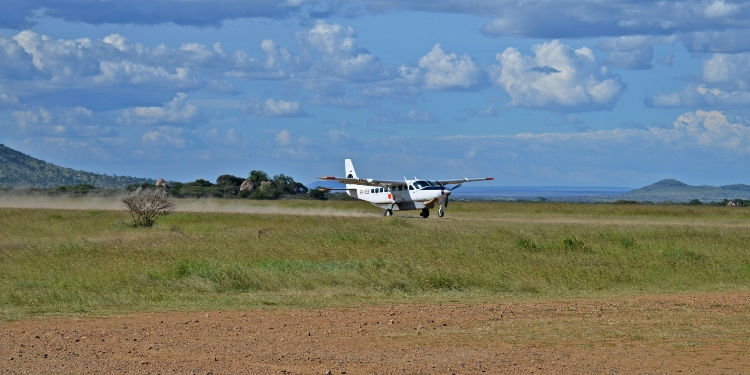
These carriers operate modern Cessna Grand Caravan and similar aircraft specifically designed for bush airstrips. Although smaller than commercial jets, they offer comfortable seating and excellent panoramic views throughout the journey.
Many scheduled flights also connect multiple Serengeti airstrips during a single route, allowing travelers to combine different safari regions without returning to Arusha.
Flightlink
Popular Flight Routes to Fort Ikoma Airstrip
Arusha to Fort Ikoma Airstrip
Arusha is the starting point for most northern Tanzania safaris, making it the most common departure location for flights to Fort Ikoma.
The journey usually takes between one and two hours, depending on the aircraft schedule and any intermediate stops.
Flying this route eliminates approximately eight to ten hours of driving, allowing visitors to enjoy an afternoon game drive on the same day they leave Arusha.
For shorter itineraries such as a 4 Day Serengeti Safari or a 5 Day Tanzania Safari, this additional safari time makes a significant difference.
Kilimanjaro International Airport to Fort Ikoma
International visitors arriving at Kilimanjaro International Airport can easily connect to Fort Ikoma through Arusha or, depending on airline schedules, continue directly to the Serengeti.
This creates a smooth travel experience with minimal delays between international arrival and the beginning of the safari.
Instead of spending the first day travelling by road, visitors can be watching wildlife before sunset.
Zanzibar to Fort Ikoma Airstrip
Combining Zanzibar with the Serengeti remains one of Tanzania's most popular travel experiences.Many visitors spend several days relaxing on Zanzibar's beaches before flying directly to the Serengeti for an unforgettable wildlife adventure.
Fort Ikoma Airstrip makes this transition simple.
Within a few hours, travelers move from white sandy beaches and turquoise waters to one of Africa's greatest wildlife destinations.This route is particularly popular among honeymoon couples, families, and travelers booking a Tanzania Safari from Zanzibar, as it offers an ideal balance between beach relaxation and world-class safari experiences.
Connecting Different Serengeti Airstrips
Fort Ikoma also connects with several other airstrips inside Serengeti National Park.
These connections allow safari operators to design flexible itineraries that follow wildlife movements instead of remaining in one location.
Popular connections include:
Grumeti Airstrip
Lobo Airstrip
Ndutu Airstrip (seasonal)
This flexibility is particularly valuable during the Great Migration, when wildlife moves continuously across the Serengeti ecosystem.
Instead of spending hours driving between regions, travelers can fly directly to where the migration is most active.
How Much Do Flights to Fort Ikoma Airstrip Cost?
Domestic flight prices vary depending on travel dates, airline availability, route, and seasonal demand.
Typical one-way fares are approximately:
Route | Estimated Price |
Arusha – Fort Ikoma | USD 240–450 |
Kilimanjaro – Fort Ikoma | USD 300–500 |
Zanzibar – Fort Ikoma | USD 350–650 |
Seronera – Fort Ikoma | USD 180–320 |
Kogatende – Fort Ikoma | USD 220–380 |
Many safari travelers book flights as part of a complete safari package rather than purchasing tickets separately. This simplifies planning, coordinates flight times with lodge transfers, and often provides better overall value.
If you're booking a Private Tanzania Safari or a Luxury Fly-in Safari, domestic flights are typically integrated into the itinerary, ensuring smooth transfers between destinations.
What Is It Like Flying into Fort Ikoma?
For many first-time visitors, a bush flight is one of the highlights of the entire safari.
The experience is very different from travelling on a commercial airline.
Check-in is straightforward, boarding is quick, and the smaller aircraft create a much more personal travel experience.
After take-off, the landscape gradually transforms.The busy surroundings of Arusha disappear behind rolling hills and farmland before giving way to vast stretches of wilderness. As the aircraft approaches the Serengeti, passengers often begin spotting winding rivers, granite kopjes, scattered acacia trees, and wildlife moving across the plains.
The relatively low cruising altitude allows exceptional views that are impossible to enjoy from large commercial aircraft.
For photographers, the journey itself becomes part of the adventure.
Landing at Fort Ikoma Airstrip
Unlike conventional airports, Fort Ikoma Airstrip is surrounded by wilderness.
The moment the aircraft touches down, you are already inside one of Tanzania's most remarkable safari regions. There are no busy terminals or lengthy baggage procedures.
Instead, luggage is unloaded directly from the aircraft while your professional safari guide prepares the vehicle nearby.
Within minutes, you leave the airstrip and begin your first game drive.
Wildlife sightings frequently occur before guests even reach their accommodation.
Elephants may be feeding close to the road. Zebras often graze in nearby grasslands.
Giraffes walk gracefully across the horizon while antelope species remain alert for predators hidden within the surrounding vegetation.
This seamless transition from aircraft to safari vehicle is one of the greatest advantages of choosing a Serengeti Fly-in Safari.
Why Fort Ikoma Is Perfect for Luxury Tanzania Safaris
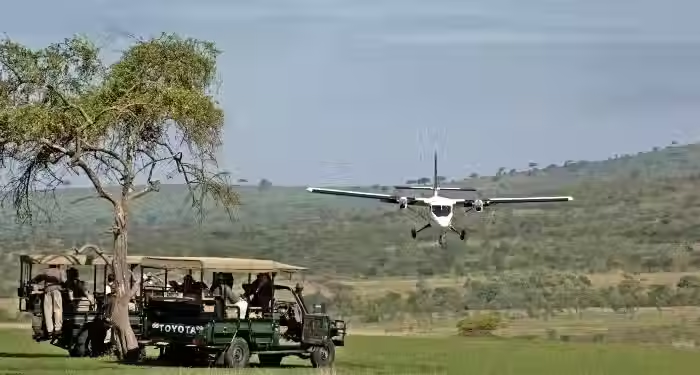
Many of the Serengeti's finest lodges and tented camps can be reached conveniently from Fort Ikoma Airstrip.Guests booking a Luxury Tanzania Safari benefit from shorter transfer times, allowing more opportunities to enjoy premium accommodation, private game drives, fine dining, and personalized safari experiences.
Rather than losing valuable hours travelling between destinations, visitors can spend that time exploring wildlife-rich landscapes or relaxing while overlooking the Serengeti.
For honeymoon couples, Fort Ikoma also provides access to exclusive camps where privacy, outstanding service, and spectacular scenery combine to create unforgettable memories.
An Excellent Choice for Private and Family Safaris
Fort Ikoma Airstrip is equally suitable for travelers seeking personalized experiences.
A Private Tanzania Safari allows complete flexibility, giving families, couples, or small groups the freedom to travel at their own pace .Game drives can focus on photography, birdwatching, predator tracking, or simply spending longer observing remarkable wildlife encounters without following the schedules of larger groups.
Families particularly appreciate the reduced travel time that comes with flying.
Children arrive refreshed rather than tired after long road journeys, making it easier for everyone to enjoy their first safari experience.For visitors travelling with older relatives or celebrating a special occasion, the convenience of flying directly into Fort Ikoma often becomes one of the most valuable parts of the entire itinerary.
Safari Itineraries That Work Perfectly with Fort Ikoma Airstrip
Fort Ikoma is a flexible gateway that fits naturally into a wide range of safari itineraries.
Popular options include:
4 Day Tanzania Safari combining western Serengeti with the Ngorongoro Crater.
5 Day Serengeti Safari focusing on wildlife-rich regions of central and western Serengeti.
6 Day Great Migration Safari following seasonal wildebeest movements through the Western Corridor.
Luxury Fly-in Tanzania Safari featuring premium lodges, domestic flights, and private guiding.
Tanzania Safari from Zanzibar combining a beach holiday with unforgettable wildlife experiences.
Serengeti and Ngorongoro Safari showcasing two of Tanzania's most iconic safari destinations in one seamless itinerary.
Choosing Fort Ikoma allows these itineraries to maximize game viewing while minimizing unnecessary road travel, making every safari day more productive and memorable.
Best Time to Use Fort Ikoma Airstrip for a Serengeti Safari
One of the greatest strengths of Fort Ikoma Airstrip is that it provides access to excellent wildlife viewing throughout the year. Unlike destinations that rely almost entirely on one seasonal event, the western Serengeti offers a combination of resident wildlife, diverse habitats, and seasonal migration activity that keeps every safari rewarding regardless of when you visit.
The experience changes from month to month, but there is never a period when the area becomes inactive. Instead, each season reveals a different side of the Serengeti ecosystem, allowing visitors to choose their travel dates based on the type of safari experience they want.
During the green season, the landscape becomes vibrant and ideal for photography, while the dry months concentrate wildlife around reliable water sources. Between these periods, the Great Migration transforms the western Serengeti into one of Africa's greatest wildlife spectacles.
The Great Migration Around Fort Ikoma
One of the biggest reasons travelers choose Fort Ikoma Airstrip is its proximity to the Western Corridor, one of the most important stages of the Great Migration.
Every year, more than two million wildebeest, accompanied by hundreds of thousands of zebras and gazelles, begin their journey across the Serengeti ecosystem in search of fresh grazing.
Between May and July, many of these herds move through western Serengeti toward the Grumeti River, creating one of nature's most extraordinary spectacles. Unlike the famous Mara River crossings, which often receive international attention, the western migration offers a more relaxed and intimate experience.Visitors spend less time surrounded by safari vehicles and more time observing the natural rhythm of the migration.
Thousands of wildebeest stretch across the plains. Zebras move together in remarkably organized groups. Predators quietly position themselves near frequently used migration routes, waiting patiently for opportunities created by the movement of enormous herds.
Watching this process unfold gives visitors a much deeper appreciation of the migration itself.
It is not simply about dramatic river crossings.It is about witnessing one of Earth's oldest ecological cycles as millions of animals respond instinctively to rainfall, grass quality, and survival.For travelers booking a Great Migration Safari, Fort Ikoma provides outstanding access to this remarkable stage of the journey.
Wildlife You Can See Throughout the Year
Even after the migration continues north, the region surrounding Fort Ikoma remains exceptionally productive for wildlife viewing. Large elephant herds move between woodland habitats searching for food and water.Cape buffalo gather in impressive numbers across open plains before retreating to shaded areas during the afternoon heat.
Towering giraffes browse peacefully among acacia trees while impalas, elands, topis, waterbucks, warthogs, and hartebeests occupy different habitats throughout the ecosystem. Predator sightings are equally rewarding.Lions remain active year-round because resident herbivore populations provide a constant food source.
Leopards frequently patrol riverine forests where dense vegetation offers excellent cover before emerging during the cooler hours of the day. Spotted hyenas, often underestimated by visitors, demonstrate remarkable intelligence and social organization while travelling extensive territories across the western Serengeti.
Cheetahs occasionally appear in the more open grasslands where their speed becomes their greatest hunting advantage.This combination of migration wildlife and permanent resident animals makes Fort Ikoma one of the most consistent safari destinations in Serengeti National Park.

Accommodation Near Fort Ikoma Airstrip
One of the reasons Fort Ikoma has become increasingly popular is the variety of accommodations available nearby. Travelers can choose from luxury safari lodges, elegant tented camps, mid-range safari camps, and comfortable accommodations located around the Ikona Wildlife Management Area.
Many of these properties overlook wildlife corridors where animals move freely throughout the day.Instead of travelling long distances before beginning a game drive, guests often wake to the sight of zebras grazing nearby, giraffes browsing acacia trees, or elephants quietly moving across the landscape.
Luxury properties emphasize privacy, personalized service, gourmet dining, and beautifully designed suites that blend naturally into the surrounding environment. Mid-range camps focus on comfortable accommodation, excellent guiding, and exceptional value, making them ideal for families and first-time safari visitors.
Regardless of your travel budget, staying near Fort Ikoma allows you to maximize time inside one of Tanzania's richest wildlife regions.
Who Should Choose Fort Ikoma Airstrip?
Fort Ikoma Airstrip is particularly well suited for travelers who want a safari experience that combines convenience with exceptional wildlife viewing. It is an excellent choice for visitors booking a Luxury Tanzania Safari, where shorter transfers mean more time enjoying premium lodges and private game drives.
Families appreciate the reduced travel time, allowing children to spend less time on the road and more time exploring the Serengeti. Couples planning a honeymoon often choose Fort Ikoma because of its peaceful atmosphere, exclusive accommodations, and spectacular sunsets across the western plains.
Photographers also benefit from the area's varied landscapes.
Open grasslands, acacia woodlands, seasonal rivers, and dramatic skies provide endless opportunities to capture wildlife in different environments rather than a single type of scenery.
Travel Tips Before Flying to Fort Ikoma
Preparing properly helps ensure a smooth safari experience.
Bush aircraft generally allow around 15 kilograms (33 pounds) of luggage, so soft-sided duffel bags are strongly recommended.
Neutral-colored clothing such as beige, olive, or khaki is ideal for game drives because it blends naturally into the environment. Early mornings can be surprisingly cool, especially between June and August, making a lightweight jacket useful. Essential items include binoculars, a camera with spare batteries and memory cards, sunscreen, sunglasses, insect repellent, a reusable water bottle, and any personal medications.
Because the safari begins almost immediately after landing, it is also helpful to keep your camera readily accessible during the flight.
Many visitors spot wildlife even before reaching their lodge.
Frequently Asked Questions About Fort Ikoma Airstrip
Where is Fort Ikoma Airstrip located?
Fort Ikoma Airstrip is located near the western boundary of Serengeti National Park, close to the Ikona Wildlife Management Area and within easy reach of the Western Corridor.
Which airlines fly to Fort Ikoma Airstrip?
Scheduled flights are commonly operated by Coastal Aviation, Auric Air, Flightlink, and Regional Air, with connections from Arusha, Kilimanjaro, Zanzibar, and several Serengeti airstrips.
Can I fly directly from Zanzibar to Fort Ikoma Airstrip?
Yes. Many safari itineraries include flights from Zanzibar to Fort Ikoma, making it easy to combine a beach holiday with a Serengeti Safari.
Is Fort Ikoma good for the Great Migration?
Yes. Between May and July, Fort Ikoma provides excellent access to the Great Migration as the herds travel through the Western Corridor toward the Grumeti River.
What wildlife can I expect to see near Fort Ikoma?
Visitors regularly encounter lions, elephants, giraffes, buffaloes, zebras, wildebeest, leopards, cheetahs, hyenas, hippos, crocodiles, numerous antelope species, and hundreds of bird species.
Is Fort Ikoma suitable for a Luxury Tanzania Safari?
Absolutely. The airstrip serves several premium lodges and luxury tented camps, making it an excellent gateway for high-end fly-in safaris.
Can I combine Fort Ikoma with the Ngorongoro Crater?
Yes. One of the most popular itineraries is a Serengeti and Ngorongoro Safari, combining western Serengeti with the Ngorongoro Crater over four to seven days.
How much luggage is allowed on flights to Fort Ikoma?
Most bush flights allow approximately 15 kilograms (33 pounds) of luggage, including hand baggage. Soft-sided bags are recommended.
Is Fort Ikoma Airstrip suitable for families?
Yes. Families benefit from shorter travel times, flexible safari itineraries, and excellent wildlife viewing close to many accommodation options.
Why should I choose Fort Ikoma instead of Seronera?
Fort Ikoma offers easier access to the Western Corridor, quieter game drives, convenient access to the Ikona Wildlife Management Area, and an excellent base for visitors following the Great Migration through western Serengeti.
Plan Your Fort Ikoma Safari with Edel Safaris
Your safari deserves more than a standard itinerary. At Edel Safaris, we design tailor-made journeys that match your travel dates, budget, and wildlife interests, ensuring you experience the very best of Serengeti National Park.
Whether you're looking for a Luxury Tanzania Safari, a Private Tanzania Safari, a Serengeti Fly-in Safari, a Fly-in Safari Tanzania adventure, or a Tanzania Safari from Zanzibar, our safari specialists will arrange every detail from domestic flights and carefully selected accommodation to expert guides and unforgettable game drives.
We also create customized itineraries that combine Fort Ikoma with iconic destinations such as the Ngorongoro Crater, Tarangire National Park, and Lake Manyara National Park, giving you a complete northern Tanzania safari experience.
Contact Edel Safaris today and let our team create a personalized Serengeti safari through Fort Ikoma Airstrip, where every flight brings you closer to the Great Migration, the Big Five, and some of Africa's most spectacular wildlife experiences.


Comments