
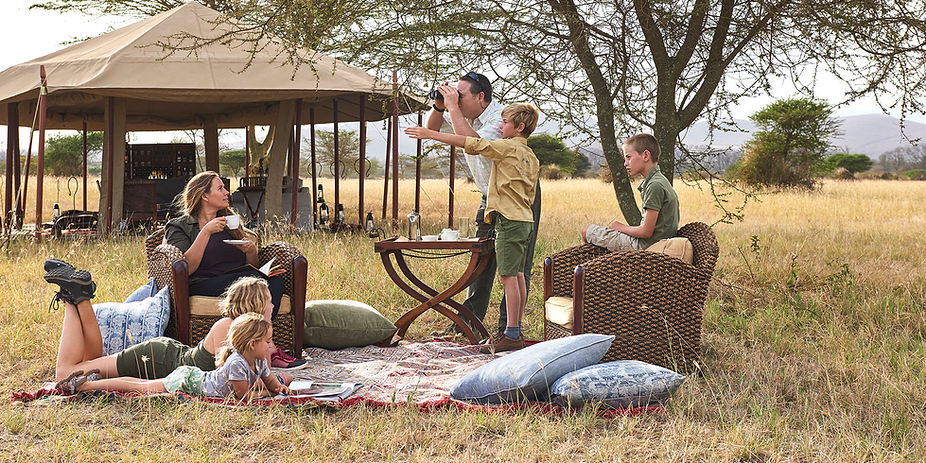
Kirawira Airstrip in Serengeti National Park: Your Gateway to Western Serengeti Safaris
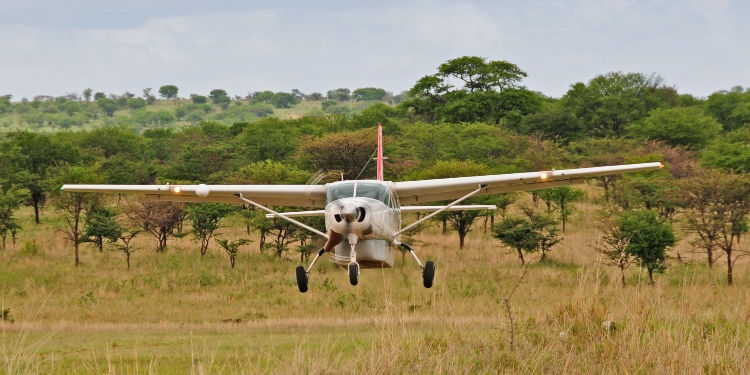
Choosing the right entry point into Serengeti National Park can shape every aspect of your safari. While many visitors arrive through the more familiar airstrips in central or northern Serengeti, Kirawira Airstrip offers access to a completely different side of the park—one defined by vast open plains, river systems, fewer vehicles, and exceptional wildlife encounters.
Located in the Western Corridor, Kirawira Airstrip serves travelers who want to experience one of the Serengeti's most diverse ecosystems without spending valuable time on long overland transfers. It provides convenient access to luxury lodges, tented camps, and wildlife-rich landscapes that support remarkable game viewing throughout the year.
For visitors of the Great Migration Safari, Kirawira becomes especially important between May and July, when enormous herds of wildebeest, zebras, and gazelles move through western Serengeti toward the Grumeti River. During this period, the region transforms into one of Africa's most dramatic wildlife stages, where predators closely follow migrating herds and every game drive has the potential to reveal extraordinary moments.
Even outside migration season, Kirawira remains an exceptional safari destination. Permanent resident wildlife, beautiful scenery, and relatively low visitor numbers create a more relaxed experience that appeals to photographers, honeymooners, families, and returning safari enthusiasts alike.
Whether you are planning a Luxury Tanzania Safari, a Fly-in Safari Tanzania, a Serengeti Fly-in Safari, or a Tanzania Safari from Zanzibar, Kirawira Airstrip offers a convenient gateway to one of the Serengeti's most rewarding regions.
Where Is Kirawira Airstrip Located?
Kirawira Airstrip is situated in the western section of Serengeti National Park, close to the famous Western Corridor and within easy reach of the Grumeti River ecosystem.
This part of the park differs noticeably from the central plains that many people associate with the Serengeti. The landscape gradually changes as broad grasslands blend with riverine forests, scattered acacia woodlands, seasonal streams, and gently rolling terrain.
These varied habitats support an impressive diversity of wildlife because they provide food, water, shelter, and breeding areas for numerous animal species throughout the year.
Its location also makes Kirawira an excellent base for exploring western Serengeti without needing to drive long distances from central Serengeti. Visitors can begin game drives almost immediately after landing, maximizing their time in the park while minimizing travel.
Why Kirawira Airstrip Is an Important Safari Gateway
Many travelers focus on destinations where wildlife is concentrated during a specific season. Kirawira offers something different.
Its importance lies in the fact that western Serengeti remains productive throughout the year.
While the Great Migration brings spectacular numbers of animals during certain months, the ecosystem continues supporting large populations of resident wildlife even after the migration has moved elsewhere.This means visitors are not entirely dependent on seasonal movements to enjoy outstanding game viewing.
Elephants move through woodland habitats.
Buffaloes graze across the plains.
Hippos remain in permanent pools along nearby rivers.
Predators continue hunting resident herbivores regardless of migration timing.
This consistency makes Kirawira particularly attractive for travelers whose holiday dates do not perfectly align with the migration calendar.
Instead of worrying about whether wildlife will be present, visitors can confidently expect rewarding game drives throughout the year.
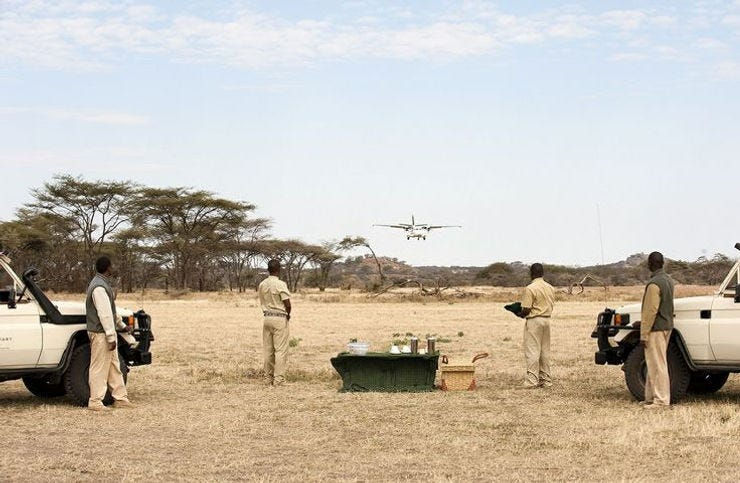
The Western Serengeti Ecosystem
The Western Corridor is one of the most ecologically diverse regions within Serengeti National Park. Unlike the vast, uninterrupted grasslands of central Serengeti, western Serengeti combines several different habitats within a relatively small area.
Open plains provide grazing for wildebeests, zebras, and antelopes.
Riverine forests create cool, shaded environments where leopards often hide during the day.
Acacia woodlands attract elephants, giraffes, and numerous bird species.
Permanent water sources sustain wildlife even during the driest months of the year.
This diversity means that every game drive reveals changing landscapes and new wildlife opportunities.
One morning may be spent watching elephants feeding beneath towering trees.
The afternoon could involve observing lions resting on open plains while hippos surface in nearby rivers.Because the scenery changes constantly, visitors often find western Serengeti more varied than they initially expected.
Why Wildlife Thrives Around Kirawira
Wildlife abundance around Kirawira is closely linked to the availability of water.
Unlike areas that depend almost entirely on seasonal rainfall, the rivers flowing through western Serengeti continue supporting life long after surrounding grasslands have dried.
These permanent water sources attract herbivores throughout the year.
Where herbivores gather, predators inevitably follow. Lions establish territories near productive hunting grounds.Leopards patrol wooded riverbanks.
Spotted hyenas travel extensive distances searching for opportunities created by both resident wildlife and migrating herds.
Crocodiles remain in rivers waiting patiently for animals that come to drink.
This ecological balance creates excellent wildlife viewing regardless of the season.
Instead of relying on a single event such as the Great Migration, Kirawira offers a complete safari ecosystem where every species plays an important role.
Flying to Kirawira Airstrip Saves Valuable Safari Time
One of the greatest advantages of choosing Kirawira Airstrip is the opportunity to maximize your time inside Serengeti National Park.
Traveling by road from Arusha to western Serengeti can require an entire day of driving, particularly when park entry procedures and wildlife sightings along the way are taken into account.
While road safaris remain enjoyable, many visitors prefer spending that time exploring wildlife rather than travelling between destinations. A scheduled bush flight changes the experience completely.Within a relatively short journey from Arusha or another safari destination, visitors arrive directly in western Serengeti, where their guide is waiting nearby.
From the moment you leave the aircraft, the safari begins.
There are no lengthy transfers between the airstrip and wildlife areas because the surrounding landscape is already part of the Serengeti ecosystem.
It is common for visitors to encounter zebras, giraffes, elephants, or antelope before even reaching their accommodation.
For travelers planning a Luxury Tanzania Safari or a shorter Fly-in Safari Tanzania itinerary, this efficiency allows every day of the holiday to be used more effectively.
Instead of arriving tired after hours on the road, you begin your adventure immersed in one of Africa's greatest wildlife landscapes.
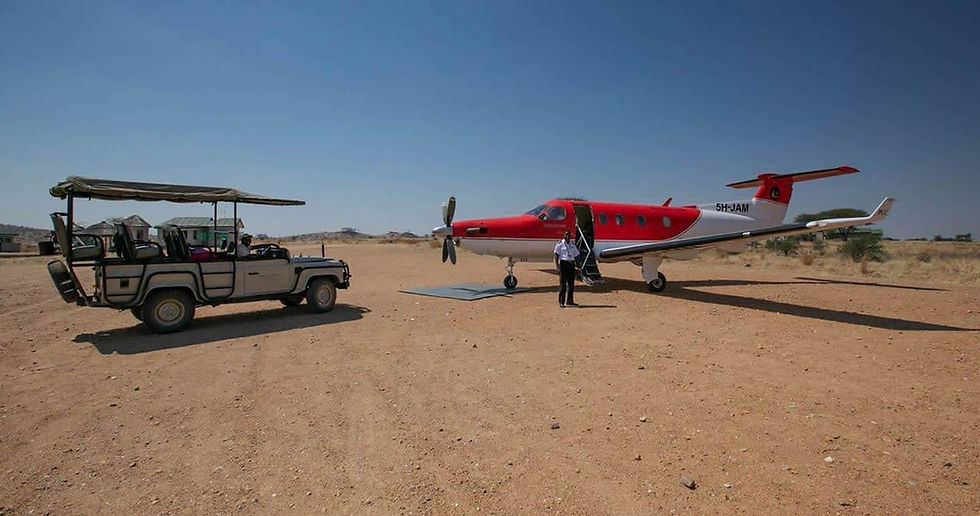
Flights to Kirawira Airstrip: Airlines, Routes, and Travel Information
One of the biggest advantages of Kirawira Airstrip is that it allows travelers to reach the remote western Serengeti quickly and comfortably. Instead of spending an entire day driving from Arusha through multiple conservation areas before reaching the park, a scheduled bush flight places you in the heart of the Western Corridor in a fraction of the time.
This is particularly valuable for visitors with limited holiday time. Every hour saved on transportation becomes another hour available for game drives, photography, birdwatching, or simply enjoying the remarkable scenery that makes Serengeti National Park one of the world's greatest wildlife destinations.
Bush flights are also an unforgettable experience in their own right. Flying at relatively low altitudes, passengers enjoy spectacular views of Tanzania's changing landscapes, from cultivated farmland around Arusha to the endless grasslands, rivers, and woodlands of the Serengeti.
For many travelers, the flight becomes the perfect introduction to the safari before they even step into a game-viewing vehicle.
Airlines That Operate Flights to Kirawira Airstrip
Kirawira Airstrip is served by several reputable domestic airlines specializing in safari transportation across northern Tanzania.
The airlines most commonly operating scheduled flights include:
Coastal Aviation
Auric Air
Flightlink
Regional Air
These airlines operate modern light aircraft specifically designed for Tanzania's bush airstrips. Although the aircraft are smaller than commercial airliners, they are well suited to safari travel and offer every passenger excellent views throughout the journey.
Many flights include scheduled stops at other Serengeti airstrips before continuing to Kirawira. These brief landings provide a fascinating glimpse into different parts of the park and demonstrate the vast size of the Serengeti ecosystem.
Coastal Air
Popular Flight Routes to Kirawira Airstrip
Arusha to Kirawira Airstrip
Arusha remains the primary departure point for most safaris in northern Tanzania.
Flights from Arusha to Kirawira generally take between one and two hours, depending on weather conditions and the number of scheduled stops along the route.
Choosing to fly instead of driving allows visitors to begin exploring western Serengeti on the same day they depart from Arusha.
This is especially beneficial for shorter itineraries, where maximizing time inside the national park is essential.
Kilimanjaro International Airport to Kirawira
Most international visitors enter Tanzania through Kilimanjaro International Airport before connecting to Arusha or directly to a domestic safari flight.
Depending on airline schedules, travelers can often connect to Kirawira on the same day or spend one night in Arusha before continuing their safari the following morning.
This combination creates a smooth transition from international travel to the African wilderness.
Zanzibar to Kirawira Airstrip
Many visitors choose to combine the beaches of Zanzibar with the wildlife of Serengeti National Park.
Flying from Zanzibar to Kirawira allows travelers to experience two completely different sides of Tanzania during one holiday.
Within just a few hours, the turquoise waters of the Indian Ocean give way to golden grasslands stretching as far as the eye can see.
This combination has become one of the country's most popular holiday itineraries because it offers both relaxation and adventure without requiring extensive travel time.
For anyone planning a Tanzania Safari from Zanzibar, Kirawira provides an excellent entry point into the western Serengeti.
Connections Between Serengeti Airstrips
Kirawira also connects with several other airstrips inside Serengeti National Park, making it possible to explore multiple regions during a single safari.
Common connections include:
Seronera Airstrip
Grumeti Airstrip
Ndutu Airstrip (seasonal)
These connections are particularly useful for travelers following the Great Migration.
Instead of remaining in one location throughout the safari, visitors can move between different regions as wildlife shifts across the Serengeti ecosystem.
This flexibility is one of the defining advantages of a Serengeti Fly-in Safari, allowing travelers to experience several landscapes without spending valuable time on lengthy road transfers.
How Much Do Flights to Kirawira Airstrip Cost?
Flight prices depend on several factors, including the airline, departure location, season, and seat availability.
Typical one-way fares are approximately:
Route | Estimated Price |
Arusha – Kirawira | USD 250–450 |
Kilimanjaro – Kirawira | USD 300–500 |
Zanzibar – Kirawira | USD 350–650 |
Seronera – Kirawira | USD 180–350 |
Grumeti – Kirawira | USD 180–300 |
Many visitors choose to book domestic flights as part of a complete safari package, which simplifies planning and often provides better value than arranging flights independently.
The Bush Flight Experience
For many first-time visitors, boarding a bush aircraft is unlike any other travel experience.
After check-in, there are no crowded departure halls or lengthy boarding procedures.
Passengers are welcomed by the flight crew, luggage is carefully loaded into the aircraft, and within minutes the journey begins.
As the aircraft climbs away from Arusha, the scenery gradually changes.
The fertile foothills surrounding Mount Meru give way to open landscapes, scattered villages, and eventually the vast wilderness of northern Tanzania.
Approaching the Serengeti is particularly memorable.
From above, the immense scale of the ecosystem becomes clear. Rivers weave through golden plains. Granite kopjes rise dramatically from the landscape. Small groups of elephants, giraffes, buffaloes, and zebras can often be spotted moving below.
Unlike commercial flights where clouds often obscure the view, bush flights provide an uninterrupted perspective of one of Africa's greatest natural landscapes.
Arriving at Kirawira Airstrip
Landing at Kirawira immediately reminds visitors that they have entered a true wilderness.
The airstrip is simple by design, blending naturally into the surrounding environment without disturbing the landscape.
After landing, luggage is unloaded manually while your safari guide prepares the vehicle nearby.
Formalities are minimal, allowing the transition from aircraft to game drive to happen quickly and efficiently.
Because the airstrip is already inside Serengeti National Park, wildlife encounters often begin almost immediately.
You may leave the runway and encounter a herd of elephants feeding beneath acacia trees.
A group of giraffes could be browsing only a few hundred metres away.
Zebras, impalas, topis, and warthogs are frequently seen before guests even reach their lodge.
Unlike traditional airport transfers, every kilometre travelled after landing becomes part of the safari itself.
Kirawira vs. Grumeti Airstrip
Although both airstrips serve the Western Corridor, they offer slightly different safari experiences.
Kirawira provides excellent access to the western plains and nearby luxury camps, making it an ideal base for travelers wanting to explore the broader Western Corridor.
Grumeti Airstrip, meanwhile, is positioned closer to the Grumeti River ecosystem and serves lodges that focus heavily on river habitats and nearby migration activity.
For visitors staying several nights in western Serengeti, either airstrip offers outstanding wildlife opportunities.
The choice often depends more on the location of your accommodation than on differences in wildlife viewing.
Kirawira vs. Seronera Airstrip
Seronera Aairstrip is famous for consistent year-round game viewing and some of the highest predator densities in the Serengeti.
Kirawira offers a noticeably different experience.
The landscapes are more varied.
Visitor numbers are generally lower.
The proximity to the Grumeti River creates different wildlife opportunities, particularly during migration season.
Travelers seeking quieter game drives and a stronger sense of wilderness often appreciate Kirawira's atmosphere.
Why the Western Corridor Feels Different
One of the reasons many experienced safari travelers return to western Serengeti is the feeling of space. Even during peak safari season, game drives often involve long stretches where you encounter very few other vehicles.
This creates opportunities to observe wildlife without distractions.
Guides have greater flexibility to spend time interpreting animal behavior rather than moving quickly between popular sightings. The pace feels slower.The experience becomes more immersive.
Instead of chasing wildlife, visitors often find themselves quietly watching elephants feeding beneath riverine trees, listening to birds calling from the forest canopy, or observing lions resting in the shade while the afternoon heat gradually fades.
These moments frequently become the memories travelers remember most long after their safari has ended.

Why Fly Into Kirawira Instead of Driving?
Choosing a fly-in safari is not simply about convenience. It fundamentally changes the rhythm of the journey.Instead of beginning the holiday with a full day on the road, visitors arrive refreshed and ready to explore
Additional game drives become possible. Photography opportunities increase. Time spent relaxing at camp also becomes part of the experience rather than a luxury sacrificed because of travel. For travelers booking a Luxury Tanzania Safari, a Fly-in Safari Tanzania, or a Serengeti and Ngorongoro Safari, flying into Kirawira allows the itinerary to focus where it matters most—immersing you in the extraordinary wildlife and landscapes of Serengeti National Park rather than spending unnecessary hours in transit.
Best Time to Visit Kirawira Airstrip for a Serengeti Safari
One of the reasons Kirawira Airstrip appeals to both first-time and experienced safari travelers is that the Western Corridor offers rewarding wildlife viewing throughout the year. While the timing of the Great Migration changes with seasonal rainfall, the area's permanent rivers, diverse habitats, and healthy resident wildlife populations ensure that every season offers something unique.
Rather than asking whether there is a "good" time to visit, it is more helpful to understand what each season offers. Your ideal travel period depends on whether your priority is witnessing migration herds, photographing dramatic landscapes, enjoying quieter game drives, or combining the Serengeti with other destinations such as the Ngorongoro Crater or Zanzibar.
January to March: Lush Landscapes and Peaceful Game Drives
At the beginning of the year, the Great Migration is concentrated much farther south in the Ndutu region, where thousands of wildebeest gather to give birth during the calving season.
Although western Serengeti is quieter during these months, Kirawira continues to provide excellent wildlife viewing because its resident animals remain throughout the year.
Elephants move through woodland habitats in family groups, giraffes browse among acacia trees, buffaloes graze across the plains, and predators maintain their territories regardless of where the migration has travelled.
This period also transforms the landscape.
Seasonal rains bring fresh green grass, flowering plants, and dramatic skies that create beautiful photographic conditions. Birdlife becomes especially active as migratory species arrive, making this an excellent season for travelers interested in both mammals and birds.
With fewer safari vehicles in the area, game drives often feel more exclusive, allowing visitors to spend extended periods observing animal behavior without interruption.
April to June: The Great Migration Arrives in the Western Corridor
As rainfall decreases across southern Serengeti, one of nature's most remarkable journeys begins moving westward. Hundreds of thousands of wildebeest, accompanied by zebras and gazelles, gradually enter the Western Corridor while searching for fresh grazing.
For Karatu, this marks one of the most exciting periods of the year.The plains become increasingly alive with movement.Large herds spread across the landscape, stopping to graze before continuing their journey north.
Rather than traveling in a perfectly organized line, the migration constantly changes direction in response to rainfall, grass quality, predator activity, and the instincts of countless individual animals. Watching this movement unfold helps visitors understand that the Great Migration is not simply a single event but a continuous ecological process that has shaped the Serengeti for thousands of years.
Predators become noticeably more active during this period.
Lions establish strategic positions near commonly used migration routes.
Hyenas patrol behind the herds, searching for opportunities.
Cheetahs exploit open grasslands where they can reach incredible speeds while hunting.
Every game drive carries the possibility of witnessing dramatic interactions between predators and prey.
The Grumeti River Crossings: A Different Migration Experience
When discussing the Great Migration, the Mara River crossings often receive the greatest international attention. However, the crossings at the Grumeti River provide an equally fascinating wildlife spectacle, although they are very different in character.By the time the migration reaches western Serengeti, the herds have already travelled hundreds of kilometres.
The animals have crossed open plains, navigated predator territories, and responded continuously to changing environmental conditions. Eventually they encounter the Grumeti River.Unlike the Mara River, which is wider and often features steep riverbanks, the Grumeti River presents different challenges depending on rainfall and water levels.
In some years, crossings occur relatively quickly.
In others, the herds hesitate for hours before committing to the crossing.
Massive Nile crocodiles wait patiently beneath the water's surface, creating moments of extraordinary tension.Yet the river itself is only one chapter of the migration.
Equally impressive is watching thousands of animals gathering beforehand, communicating through movement and vocalizations as they gradually build the confidence to continue their journey.
Visitors staying near Serengeti National Park often experience both the migration across the plains and the dramatic events unfolding near the river.
July to October: Excellent Wildlife Beyond the Migration
As the migration continues north toward the Mara River, many travelers assume western Serengeti becomes quiet again. In reality, this period continues to provide exceptional safari experiences. The resident wildlife remains abundant.Elephants continue using permanent water sources.
Buffaloes form impressive herds across open grasslands.
Lions remain active within established territories.Leopards patrol wooded riverbanks while hippos occupy permanent pools throughout the dry season. As vegetation becomes shorter, wildlife is often easier to locate.
Animals must travel greater distances between feeding and drinking areas, increasing the likelihood of memorable sightings during game drives.For photographers, the dry season produces classic Serengeti scenery.
Golden grasslands stretch across the horizon beneath clear blue skies, creating striking contrasts that have become iconic representations of the African savannah.

November to December: The Serengeti Begins to Change Again
The arrival of the short rains marks another transition within the ecosystem.
Fresh grass begins appearing across southern Serengeti, encouraging the migration to begin its gradual return journey.
Around Kirawira, the landscape becomes greener almost overnight.
Trees regain their vibrant foliage.
Seasonal streams begin flowing again.
Birdlife increases dramatically as insects emerge following the rains.
Although the migration has moved elsewhere, the Western Corridor remains full of life.
Visitors often appreciate the peaceful atmosphere during this season, as lower visitor numbers create opportunities for more private wildlife encounters while still enjoying excellent game viewing.
Who Should Choose Kirawira Airstrip?
Kirawira Airstrip is particularly well suited to travelers who value both convenience and a deeper wilderness experience.
Photographers
The combination of rivers, woodlands, open plains, and dramatic sunsets provides extraordinary opportunities for landscape and wildlife photography.
Unlike more crowded safari areas, photographers often have greater freedom to compose images without multiple vehicles surrounding the animals.
Luxury Safari Travelers
Many of the Serengeti's most exclusive lodges and tented camps are located within convenient reach of Kirawira Airstrip.
Flying directly into the region allows guests to begin enjoying these exceptional properties almost immediately after landing while maximizing their time in the park.
Couples and Honeymooners
The quieter atmosphere of western Serengeti creates a strong sense of privacy.
Whether enjoying a candlelit dinner beneath the stars or watching wildlife from a private deck overlooking the plains, Kirawira provides a romantic setting that perfectly complements a luxury safari.
Families
Families benefit from reduced travel times and varied wildlife viewing.
Children often find the combination of elephants, hippos, crocodiles, giraffes, and lions particularly exciting because different habitats reveal different animals throughout each game drive.
Safari Itineraries That Include Kirawira Airstrip
Kirawira fits naturally into many of Tanzania's most popular safari itineraries.
A 4 Day Fly-in Safari allows visitors to focus entirely on western Serengeti while enjoying maximum time for wildlife viewing.
Longer itineraries frequently combine Kirawira with central Serengeti before continuing to the Ngorongoro Crater, creating a classic Serengeti and Ngorongoro Safari.
Visitors beginning their holiday on the coast often include Kirawira as part of a Tanzania Safari from Zanzibar, flying directly into Serengeti National Park before exploring multiple ecosystems across northern Tanzania.
For travelers seeking exceptional comfort, Kirawira also features prominently in many Luxury Tanzania Safari itineraries, where domestic bush flights, carefully selected lodges, and expert guiding combine to create a seamless safari experience.
Regardless of the itinerary, Kirawira offers a remarkable introduction to one of the Serengeti's richest and most diverse wildlife regions. Practical Travel Information for Kirawira Airstrip
A safari through Kirawira Airstrip is designed to be simple and efficient, allowing you to spend as much time as possible exploring Serengeti National Park instead of dealing with complicated travel logistics.
Unlike international airports, Kirawira Airstrip is a small bush airstrip built specifically for safari operations. There are no crowded terminals or lengthy check-in procedures. After landing, your luggage is unloaded while your safari guide waits nearby with a specially equipped 4×4 vehicle.
Within minutes, you are driving through one of Africa's most celebrated wildlife ecosystems.
Because the airstrip is located inside the national park, the journey from the runway to your lodge is not simply a transfer—it is your first game drive. Many visitors begin spotting wildlife almost immediately after leaving the airstrip, making the excitement of the safari start from the very first moment.
Accommodation Near Kirawira Airstrip
One of the biggest advantages of Kirawira Airstrip is its proximity to several outstanding safari lodges and tented camps in the Western Corridor.
Accommodation in this region is carefully positioned to provide easy access to wildlife while maintaining privacy and uninterrupted views of the surrounding wilderness. Many properties overlook open plains, seasonal rivers, or acacia woodlands where animals can often be seen without leaving camp.
Rather than building large hotel complexes, most safari accommodations are designed to blend naturally into the landscape, preserving the authentic feeling of being surrounded by nature.
Whether you choose a luxury lodge or an intimate tented camp, the emphasis remains the same: exceptional wildlife experiences combined with comfortable accommodation and warm Tanzanian hospitality.
Luxury Safari Lodges
Luxury lodges near Kirawira provide spacious suites, fine dining, attentive service, and beautifully designed viewing areas overlooking the Serengeti.
Many also offer private verandas where guests can relax between game drives while watching elephants, giraffes, or antelope moving across the plains below.
These lodges are especially popular with honeymoon couples and travelers seeking a premium Luxury Tanzania Safari, where comfort and wilderness exist side by side.
Luxury Tented Camps
For many visitors, luxury tented camps provide the most authentic Serengeti experience.
Although the accommodation offers modern comforts such as private bathrooms, comfortable beds, hot showers, and excellent cuisine, the canvas structures allow guests to remain closely connected to the surrounding environment.
At night, the sounds of the Serengeti become part of the experience.
The distant roar of lions, the calls of hyenas, and the chorus of nocturnal insects create an atmosphere that cannot be replicated in conventional hotels.
Many travelers describe these evenings as one of the most memorable parts of their safari.
Mid-Range Safari Camps
Travelers looking for excellent value will also find well-appointed mid-range camps around Kirawira.
These camps focus on comfortable accommodation, professional guiding, and strategic locations that provide easy access to wildlife-rich areas.
While they may not include every luxury feature, they still offer exceptional safari experiences, making them an excellent choice for families, couples, and first-time visitors.

Packing Tips for a Fly-in Safari
Packing appropriately is an important part of preparing for a safari through Kirawira Airstrip.
Because bush aircraft have limited baggage space, most airlines allow approximately 15 kilograms (33 pounds) of luggage, including carry-on items. Soft-sided duffel bags are recommended because they fit more easily into the aircraft's cargo compartment.
When choosing clothing, neutral colours such as beige, olive, khaki, and grey are ideal because they blend naturally into the environment and are practical for game drives.
Early mornings can be cool, particularly during the dry season, so packing a lightweight fleece or jacket is advisable.
Other useful items include:
Binoculars for observing distant wildlife.
A camera with spare batteries and memory cards.
Sunglasses and a wide-brimmed hat.
Sunscreen with a high SPF.
Insect repellent.
Personal medications.
A reusable water bottle.
A small flashlight or headlamp for moving around camp after dark.
Packing efficiently not only makes flying easier but also ensures you remain comfortable throughout your safari.
Why Choose Kirawira Airstrip for Your Serengeti Safari?
Every Serengeti airstrip offers access to remarkable wildlife, but Kirawira stands out because of the unique character of the Western Corridor.
Here, visitors experience an ecosystem shaped by permanent rivers, riverine forests, expansive plains, and abundant resident wildlife. The changing landscapes create a safari that feels varied from one game drive to the next, while the lower number of visitors allows for a more peaceful and immersive experience.
During the Great Migration, Kirawira becomes one of the best gateways to witness the herds moving toward the Grumeti River. Outside migration season, it continues to deliver outstanding game viewing thanks to healthy populations of elephants, lions, buffaloes, giraffes, leopards, hippos, crocodiles, and countless other species.
For travelers seeking an authentic Serengeti Fly-in Safari, Kirawira offers the perfect balance of accessibility, comfort, and extraordinary wildlife.
Frequently Asked Questions About Kirawira Airstrip
Where is Kirawira Airstrip located?
Kirawira Airstrip is located in the Western Corridor of Serengeti National Park, providing convenient access to the Grumeti River ecosystem and several of the region's leading safari lodges and camps.
Which airlines fly to Kirawira Airstrip?
Scheduled bush flights are operated by Coastal Aviation, Auric Air, Flightlink, and Regional Air, with connections from Arusha, Kilimanjaro, Zanzibar, and other Serengeti airstrips.
Can I fly from Zanzibar to Kirawira Airstrip?
Yes. Many safari itineraries combine Zanzibar with the Serengeti using scheduled bush flights, allowing travelers to enjoy both a beach holiday and a wildlife safari within the same trip.
When is the best time to visit Kirawira Airstrip?
Kirawira offers excellent wildlife viewing throughout the year. However, May to July is particularly popular because the Great Migration moves through the Western Corridor toward the Grumeti River.
Is Kirawira Airstrip good for the Great Migration?
Yes. Kirawira provides excellent access to the migration as the herds travel through western Serengeti. Visitors can witness large concentrations of wildebeest and zebras before they continue north toward the Mara River.
What wildlife can I see near Kirawira?
The area supports elephants, lions, leopards, buffaloes, giraffes, hippos, crocodiles, zebras, hyenas, topis, hartebeests, numerous antelope species, and hundreds of bird species throughout the year.
How much luggage can I bring on a bush flight?
Most safari airlines allow approximately 15 kilograms (33 pounds) of luggage. Soft-sided bags are recommended because they fit more easily inside the aircraft.
Can I combine Kirawira with the Ngorongoro Crater?
Absolutely. Many visitors include Serengeti and Ngorongoro Safari, combining two of Tanzania's most iconic wildlife destinations within a single itinerary.
Is Kirawira Airstrip suitable for first-time safari travelers?
Yes. Its excellent flight connections, abundant wildlife, and easy access to quality accommodation make it an outstanding choice for both first-time visitors and experienced safari enthusiasts.
Why should I choose Kirawira instead of another Serengeti airstrip?
Kirawira is ideal for travelers who want to explore the quieter Western Corridor, experience the Great Migration during the Grumeti phase, and enjoy diverse landscapes with fewer safari vehicles than some of the park's busier regions.
Plan Your Kirawira Safari with Edel Safaris
A truly memorable safari begins with expert planning. At Edel Safaris, we create tailor-made itineraries designed around your travel dates, interests, and preferred style of travel, ensuring every day in Tanzania is spent making the most of your adventure.
Whether you're dreaming of a Luxury Tanzania Safari, a Fly-in Safari Tanzania, a Serengeti Fly-in Safari, or a Tanzania Safari from Zanzibar, our experienced team will help you choose the ideal flights, accommodation, and safari route through Kirawira Airstrip.
From witnessing the Great Migration in the Western Corridor to exploring the incredible wildlife of Serengeti National Park and the Ngorongoro Crater, we take care of every detail so you can focus on the experience.
Contact Edel Safaris today to start planning your personalized Tanzania safari and discover why Kirawira Airstrip is one of the best gateways to the unforgettable wilderness of the Serengeti.


Comments